NFL Previews
  MLB Previews
  NBA Previews
  NHL Previews
  Soccer Previews
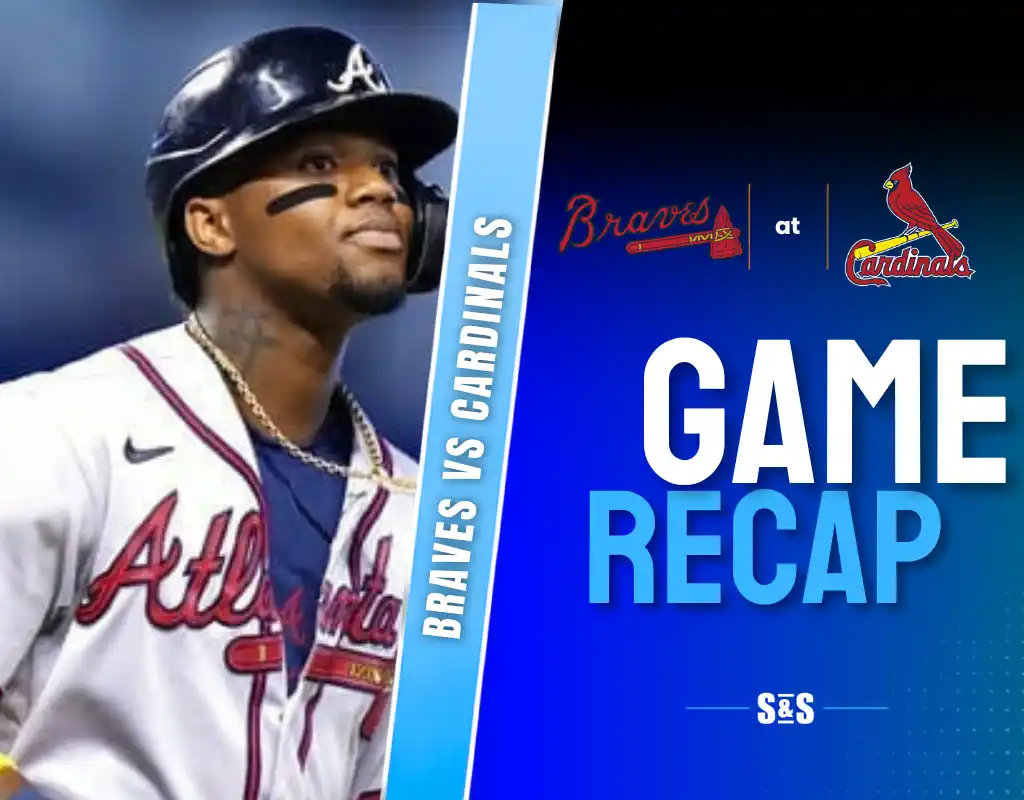

Table of Contents
The Cardinals vs Braves recap starts with the kind of score that makes favorite bettors stare at the ticket twice: St. Louis 2, Atlanta 1. The Braves entered the July 10 matchup as the road favorite behind Chris Sale, while the Cardinals were priced as the underdog despite playing at Busch Stadium.
The pregame expectation made sense on the surface. Atlanta had the stronger season profile, the more powerful lineup, and Sale scheduled against Kyle Leahy. But the game never became the clean Braves script bettors were paying for. Weather interrupted the rhythm, both starters worked through a tight early duel, and St. Louis found just enough late offense to flip the moneyline result.
For bettors working through the MLB preview board, the lesson was simple: the better team name is not always the better price. Atlanta’s -156 moneyline asked bettors to trust a road favorite in a low-margin game. St. Louis’ 2-1 win rewarded underdog backers and reminded bettors that a one-swing eighth inning can turn a reasonable favorite into a bad number.













Go Inside the Handicappers’ Playbook
All in one spot. Real-time line moves, sharp reads, and verified edges.
St. Louis Cardinals vs Atlanta Braves Game Recap
| Game Detail | Result |
|---|---|
| Final Score | St. Louis Cardinals 2, Atlanta Braves 1 |
| Game Date | July 10, 2026 |
| Venue | Busch Stadium |
| Scheduled Starters | Kyle Leahy vs Chris Sale |
| Deciding Swing | Jimmy Crooks eighth-inning home run |
| Key Betting Result | Cardinals moneyline bettors were rewarded |
The preview framed the matchup around Atlanta’s stronger lineup and Sale’s starting-pitcher edge. That was the easy case for the Braves. Sale entered with a strong run-prevention profile, Atlanta had one of the National League’s more dangerous power groups, and St. Louis had just come through a rough offensive stretch against playoff-level opponents.
Then the game turned into something much less comfortable for chalk bettors. Sale started well, striking out five across three innings before the rain disrupted the game. Leahy matched the tone from the other side, keeping Atlanta quiet through his early work. Once the weather delay hit, this stopped being a clean starter-vs-starter handicap and became a bullpen, patience, and execution game.
That shift mattered. Favorites are usually easier to support when the game follows the expected structure. Atlanta’s pregame case was built on Sale, power, and lineup quality. A rain-altered, low-scoring game reduced the number of innings where those advantages could separate cleanly. It also put more stress on every baserunner, every bullpen decision, and every defensive inning.
Atlanta struck first after the delay, with Austin Riley involved in the Braves’ run-scoring sequence. That gave Braves moneyline bettors a brief look at the ticket they expected. In a 1-0 game behind a favorite, the instinct is to think the better lineup and better bullpen profile can nurse the lead home. That instinct got expensive.
St. Louis tied the game in the sixth when Jordan Walker drove in JJ Wetherholt. That was the first real market correction. The Cardinals were no longer just hanging around as a home underdog. They had dragged the Braves into a late-inning coin flip, and that is where a -156 road favorite starts to look overpriced. The favorite had the brand, but the underdog had the leverage.
The decisive moment came in the eighth, when Jimmy Crooks homered off Danny Young to give St. Louis a 2-1 lead. That swing did not just change the scoreboard. It changed the entire betting read. Atlanta backers needed the Braves to win a low-margin game on the road after a weather delay and after losing the Sale portion of the game earlier than expected. That is not a comfortable ask.
Riley O’Brien then handled the ninth, finishing the game with two strikeouts and protecting the one-run lead. That final inning sealed the upset and gave this Cardinals vs Braves recap its betting point: St. Louis did not need a huge offensive night to beat a stronger opponent. It needed pitching stability, one timely answer, and one late swing.
Key Stats That Explain the Betting Result
The most important verified stat was the final score: Cardinals 2, Braves 1. That number explains why Atlanta’s favorite price was dangerous. A one-run baseball game leaves almost no room for a road favorite to justify a mid-range moneyline unless it creates more offensive separation than Atlanta did.
Sale’s early strikeout work showed why the Braves were favored. He looked sharp before the delay, and the preview’s starting-pitching logic was not baseless. But betting is not about identifying the stronger pitcher in isolation. It is about asking whether the price survives the full game script. Once Sale’s night was shortened by weather, Atlanta’s edge became less clean.
Leahy’s early work was just as important from a betting perspective. He kept the Cardinals inside the game long enough for the underdog price to matter. Home underdogs do not have to dominate to cash. They have to keep the favorite uncomfortable. Leahy did that, and the bullpen portion of the game gave St. Louis enough time to find the tying run and the deciding homer.
Walker’s sixth-inning RBI was the pressure point. It erased Atlanta’s lead and forced the Braves to play the late innings without scoreboard control. In a low-scoring game, tying runs carry extra betting weight because they immediately compress the favorite’s advantage. Atlanta’s moneyline ticket went from controlled to exposed.
Crooks’ eighth-inning homer was the cleanest winning stat. It was one swing, but it was not random noise. It came in the exact kind of late-game spot where a home underdog becomes dangerous. Bettors reviewing similar games through the betting process should remember that low totals and tight scripts do not always help favorites. They often make the underdog more live.
Betting Market Results
| Market | Betting Takeaway |
|---|---|
| St. Louis Moneyline +142 | Won outright as the Cardinals turned a tight game with one late swing |
| Atlanta Moneyline -156 | Lost despite the Braves entering as the road favorite |
| Run Line | Cardinals-side run-line positions were protected by the outright win; exact pricing depends on the posted number |
| Game Total | The 3-run final favored under-style positions, but the exact total must be verified before calling a specific ticket a winner |
| Atlanta Team Total | The Braves’ 1-run output punished expectations tied to lineup power |
The verified moneyline result is the clean betting story. St. Louis at +142 cashed, while Atlanta at -156 lost. That is a meaningful swing because the Braves were not priced as a tiny favorite. Bettors paid for a perceived edge, and the game script never gave them enough cushion.
The low-scoring finish also leaned toward under-style thinking, though the exact posted total should be checked before labeling a specific over/under ticket a winner. This is where discipline matters. The sportsbook comparison step is not decorative. Different numbers can change how a result grades, especially in baseball totals.
For bettors checking current MLB betting opinions, the takeaway is not that every Braves favorite is overpriced. The takeaway is that a road favorite in a weather-affected, low-scoring game needs more than reputation. Atlanta had the better pregame profile, but St. Louis had the better ticket.
Game Analysis
The game became a test of price sensitivity. Atlanta’s -156 number was not absurd before first pitch. Sale against a slumping Cardinals offense was a real angle, and Atlanta’s power profile gave the Braves a clear path. But baseball prices get uncomfortable when the favorite’s edge depends too heavily on one part of the game.
Here, that part was the starting-pitcher structure. Sale looked capable of validating the market, but the rain delay changed the handicap. Once the game moved away from a normal Sale workload, the Braves had to win through bullpen execution and isolated offense. That is a thinner path than the pregame number suggested.
St. Louis deserves credit for keeping the game manageable. The Cardinals did not chase the game after Atlanta scored. They answered in the sixth, then trusted the game state. That patience matters for underdog bettors. A team catching plus money does not have to dominate the scoreboard early. It has to survive long enough for the favorite to feel the pressure.
The Braves’ offense never created the separation that a favorite needs in this kind of matchup. One run is not enough when the price asks bettors to lay -156 on the road. Atlanta’s power was part of the preview, but power that does not leave the yard is still just a projection. St. Louis got the late home run. Atlanta did not.
Anyone reviewing this game through handicapper evaluation should avoid lazy hindsight. The Braves had a case. Sale had a case. But the Cardinals had a better price if the game stayed close. That was the market door, and Crooks kicked it open in the eighth.
Why St. Louis Rewarded Underdog Backers
St. Louis rewarded underdog backers because the Cardinals played the exact kind of game a plus-money side needs to play. They kept the favorite from building a multi-run lead, neutralized the early Sale advantage once the delay changed the rhythm, and made Atlanta win the game late. That was the key. The longer the game stayed tight, the worse the Braves’ price looked.
The Cardinals’ offense did not suddenly solve every concern from the preview. That matters. St. Louis still only scored two runs, and bettors should not pretend this was an offensive breakout. But underdog betting is often about context, not dominance. The Cardinals needed enough offense, not a flood. Walker supplied the tying moment, and Crooks supplied the winning swing.
That is why the MLB matchup context was more nuanced than the favorite price suggested. Atlanta had the season-long edge, but St. Louis had home field, a starter capable of keeping the game close, and a price that rewarded bettors if the matchup became tight. It became tight. Then it became profitable.
The best underdog tickets are rarely comfortable from start to finish. This one was not. Atlanta led first, and the Braves’ pitching profile remained dangerous. But St. Louis forced the game into the narrow lane where underdogs thrive. Once Crooks homered, the plus-money side had the only thing it needed: a lead and three outs to protect.
Why Atlanta’s Favorite Price Became Too Heavy
Atlanta’s favorite price became too heavy because the Braves did not create enough offensive margin. A -156 road favorite cannot rely on one run and a bullpen path through a weather-disrupted game. That is not a strong enough bridge. It is a tightrope.
The Braves had hard contact and enough near-miss frustration to feel unlucky, but bettors do not cash expected frustration. They cash runs. St. Louis kept Atlanta at one, and that made every missed opportunity more expensive. The favorite side was asking for efficiency that never arrived.
The weather delay also matters in how this game should be graded. Bettors who liked Atlanta because of Sale’s starting advantage did not get a standard Sale game. That does not make the handicap foolish. It does make the price fragile. If one disruption can remove a large part of your edge, the moneyline needs to compensate for that risk. At -156, there was not enough compensation.
This is a useful reminder for anyone building a market discipline approach. Favorites are not bad because they lose. Favorites are bad when the number asks too much from too narrow a path. Atlanta’s path narrowed after the delay, narrowed again when St. Louis tied the game, and disappeared when Crooks went deep.
Why the Low-Scoring Script Made Sense
The 2-1 final made sense because both teams had reasons to avoid a loose game. Sale and Leahy set a pitching-first tone early, and the rain delay turned offensive rhythm into a problem. Hitters were not stepping into a clean, uninterrupted night. Pitchers and bullpens were operating in a game where every inning felt compressed.
That kind of environment usually increases the value of run prevention and late-game execution. St. Louis won both where it mattered most. The Cardinals did not need volume. They needed the right swing at the right time. Crooks provided it.
Atlanta’s lineup profile still deserves respect in future games, but this result showed why bettors must separate power potential from actual game state. A team can enter with home-run strength and still get dragged into a 2-1 game. When that happens, the underdog’s price becomes more valuable because one swing can flip the outcome.
Bettors reviewing future totals through the recap archive should focus on conditions, starters, bullpen exposure, and the possibility of interruption. A low-scoring game is not always predictable in the same way. Sometimes it comes from dominant pitching. Sometimes it comes from rhythm disruption. This game had both.
What the Stats Say for Future Matchups
The repeatable signal from this Cardinals vs Braves recap is St. Louis’ ability to stay live when its starter keeps the game close. The Cardinals did not overwhelm Atlanta, but they protected the structure of the game long enough for a late swing to matter. That is useful for future underdog spots, especially at home.
The fragile signal is the Cardinals’ offense. Two runs were enough here, but two runs will not be enough most nights. Bettors should not upgrade St. Louis blindly after this win. The better adjustment is more precise: the Cardinals are more interesting when the price is plus money, the starter can keep early innings clean, and the opposing favorite is being taxed for reputation.
For Atlanta, the repeatable concern is not panic. The Braves still have enough lineup strength and pitching quality to justify favorite roles. The concern is price. When Atlanta is laying a road moneyline, bettors need to ask whether the Braves have multiple ways to win or whether the ticket depends too much on one starter, one power surge, or one clean bullpen sequence.
The future betting angle is straightforward. Use the MLB preview board to identify the favorite, then use the number to decide whether the favorite is still playable. St. Louis 2, Atlanta 1 was not just a Cardinals win. It was a reminder that a tight baseball game can turn a respectable favorite into an overpriced one very quickly.