NFL Previews
  MLB Previews
  NBA Previews
  NHL Previews
  Soccer Previews
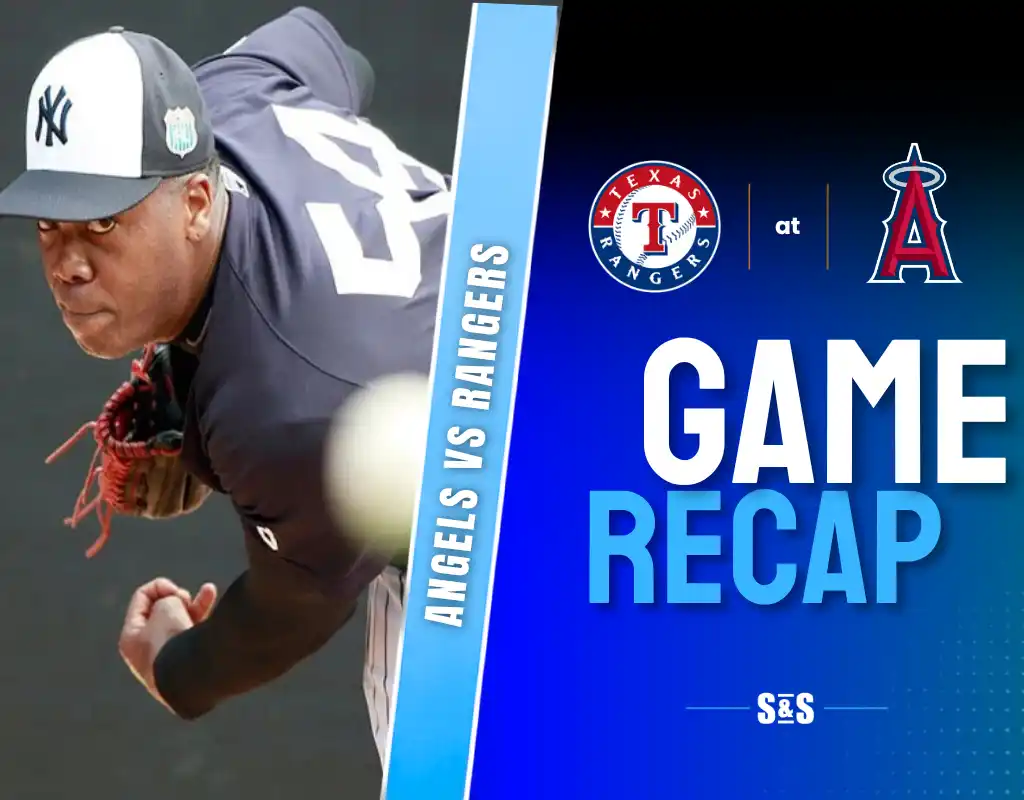

Table of Contents
The Angels vs Rangers recap was not subtle. Los Angeles beat Texas 13-1 at Globe Life Field, turning a price-sensitive Rangers favorite spot into one of the loudest betting warnings from the July 8 MLB board.
The ScoresAndStats preview did not force a favorite bet. It made Texas the more likely winner on paper, but the official best bet was a pass because the market had already pushed the Rangers into a thin range. That caution mattered. Anyone who laid a mid -150s or higher price on Texas paid for the cleaner team profile and got a one-sided favorite failure instead.
The biggest betting lesson was simple: a likely winner is not automatically a playable bet. Texas had the better full-game setup in the preview, but the price, lineup concerns, and Walbert Ureña’s ability to keep the game competitive made the Rangers dangerous to trust blindly. For bettors scanning the broader MLB preview board, this was a clean reminder that passing on a bad number can be just as sharp as firing on a side.













Go Inside the Handicappers’ Playbook
All in one spot. Real-time line moves, sharp reads, and verified edges.
Los Angeles Angels vs Texas Rangers Game Recap
| Game Detail | Result |
|---|---|
| Final Score | Los Angeles Angels 13, Texas Rangers 1 |
| Game Date | July 8, 2026 |
| Ballpark | Globe Life Field |
| Starting Pitchers | Walbert Ureña vs MacKenzie Gore |
| Key Texas Run | Kyle Higashioka solo home run in the eighth inning |
| Key Betting Result | Angels moneyline and run-line backers were rewarded |
The preview expected Texas to have the better full-game path because MacKenzie Gore had the cleaner strikeout-to-walk profile, the Rangers had the bullpen edge, and the Angels entered with a cold offensive stretch. The catch was price. Texas was already being shown in the -145 to -167 range, and the preview made the call that a mid -150s number or higher did not leave enough margin.
That read aged well before the final margin even became outrageous. The Rangers were not just beaten. They were taken out of the game script entirely. Texas drew five walks against Ureña and still waited until the eighth inning to score its only run. That is not a bad beat. That is poor offensive conversion from a team being asked by the market to justify favorite pricing.
Gore’s outing created the real swing. The preview gave him a narrow first-five edge because of the swing-and-miss profile, but that edge never became a usable betting advantage. He allowed seven runs in five innings, which immediately flipped the handicap from “Texas has the better path” to “Texas backers are chasing a broken ticket.” When a favorite’s starting pitcher loses the first major decision point that badly, the price no longer matters. The game is gone.
The Angels kept adding on after Gore exited, which made the full-game Rangers case look worse. Los Angeles scored four more runs against actual Texas relievers and then added two against Higashioka, who pitched the ninth after also homering for Texas’ lone run. That is the kind of late-game detail bettors should not ignore. The preview’s pro-Texas argument depended partly on bullpen superiority, but the game never reached a competitive bullpen comparison.
For bettors using the betting process as a filter, this game was a perfect example of why “pass” is a real recommendation. The Rangers were not cheap enough. Ureña was not weak enough. Texas’ lineup was not healthy enough. The Angels’ recent form was ugly, but the market had already taxed that information into the number.
Once Los Angeles turned the game into a rout, the pregame prediction of a tight Texas win became less important than the pregame discipline. The article’s actual best bet was not Rangers moneyline. It was pass. That was the right posture.
Key Stats That Explain the Betting Result
The key betting stat was Texas producing only one run and three hits in a game where the Rangers were priced as a meaningful home favorite. That one line explains why the favorite failed and why the preview refused to chase the Rangers at an inflated number.
Texas did have baserunner chances. Drawing five walks off Ureña across his four innings should have created pressure, especially at home. Instead, those walks became empty traffic. The Rangers could not turn free passes into a scoring inning, could not force Los Angeles into an early bullpen panic, and could not produce enough contact damage to make the Angels’ underdog ticket sweat.
Gore’s seven runs allowed over five innings were the other defining number. The preview’s case for Texas was built on his better K-BB profile compared with Ureña, but a profile is not a result. Gore still had to pitch the game, and the Angels forced him into the kind of outing that makes a favorite moneyline look reckless in hindsight.
There is a market lesson inside that. Bettors reviewing recap archive examples should not treat projected starter edges as automatic. A strikeout edge matters, but it has to survive command, contact, sequencing, and team context. On Wednesday, Gore’s theoretical edge was wiped out by run damage.
The late innings also mattered because they punished anyone trying to rationalize the loss as only a bad starting-pitcher night. Los Angeles added four runs against Texas relievers after Gore left and two more against a position player in the ninth. The score ballooned because Texas never stabilized any part of the run-prevention chain.
The total result followed naturally. A game lined around 7.5 total runs does not have much room for one team to give up 13. The over-style result was driven almost entirely by Los Angeles, while Texas contributed almost nothing offensively. That is another reminder that totals can lose even when the favorite’s lineup fails, because run prevention can collapse on the other side.
Betting Market Results
| Market | Betting Takeaway |
|---|---|
| Best Bet From Preview | Pass; the price-sensitive warning proved sharp |
| Texas Moneyline | Lost; the favorite case collapsed with Gore and the offense |
| Los Angeles Moneyline | Won; Angels backers were rewarded with a decisive underdog result |
| Texas -1.5 | Lost; the Rangers never came close to a margin result |
| Total 7.5 | Over won; Los Angeles cleared the number by itself |
The cleanest betting result was the pass. That sounds dull until a favorite loses 13-1. The preview said Texas was playable only at -145 or better and too thin above -155. That was not timid writing. That was price discipline. Laying a number requires more than identifying the more likely winner. It requires the number to be worth the risk.
Los Angeles moneyline bettors were rewarded handsomely because they got the one version of the game where the Rangers’ assumed advantages failed all at once. Ureña did not dominate in a clean way, but he kept Texas scoreless through his four innings despite the walks. Gore did not give Texas length or leverage. The Rangers offense did not cash its traffic. The bullpen did not stop the bleeding.
The total deserves the same careful treatment. The preview called the full-game over 7.5 playable only if conditions and lineups supported the run environment. The final flew over, but not because both offenses traded clean scoring innings. It got there because the Angels turned Gore, the Texas relief group, and a position-player ninth into repeated scoring. Bettors comparing future totals through a sportsbook comparison lens should remember that an over can cash through one-sided collapse, not only balanced offense.
For another market checkpoint, readers comparing outside MLB angles through MLB betting perspective should treat this as a warning against paying favorite tax. The more expensive the favorite gets, the less room there is for starter volatility, lineup absences, and offensive no-shows.
Game Analysis
This game was a market mechanics lesson disguised as a blowout. The Rangers had the better record, better current division relevance, and better bullpen profile entering the game. The Angels had the worse recent form and a lineup that had not been easy to trust. That is exactly why Texas was favored.
But the market did not stop at making Texas a modest favorite. The price had moved into the area where the preview said the edge was no longer clean. That distinction matters because the Rangers’ weaknesses were still visible. The lineup was not at full strength, the recent run production was mixed, and Ureña’s previous work suggested he was not a throwaway starter.
The game punished anyone who ignored those limits. Texas did not simply fail to cover a run line. It failed to compete. When a home favorite gets three hits, scores once, and needs a pinch-hit solo home run in the eighth to avoid a shutout, the market did not miss by a little. It misread how much safety that favorite actually carried at the price.
The Angels’ side is not automatically easy to project forward. This was not a clean underdog profile built on dominant starting pitching and flawless bullpen work. It was an underdog blowout created by Texas’ starting-pitcher failure and complete offensive no-show. That still counts for the ticket, but it should not make bettors reckless with the Angels next time.
That is where handicapper evaluation becomes useful. A good recap does not say “the Angels are back” because they won 13-1. It says the market gave Texas too much respect at the number, and the Angels were capable of punishing that mistake when Gore failed. Those are different conclusions.
The Rangers’ bullpen advantage also never had a fair chance to express itself. Texas trailed too heavily, too quickly. By the time the later innings arrived, the game was no longer about matchup leverage. It was about damage control. That is why pregame full-game bullpen edges need starter support. Relief depth helps in a close game. It does not matter much when the starter hands the opponent seven runs.
Why the Rangers Favorite Price Failed Bettors
The Rangers favorite price failed because it asked bettors to pay for the cleanest version of Texas while ignoring too much risk. Gore needed to give Texas competitive innings. The lineup needed to convert early traffic. The bullpen needed a game state worth protecting. None of that happened.
At -145, a Texas moneyline case was at least defensible in the preview. At -155 or higher, the edge became too thin. That is the difference between a playable favorite and a public-looking favorite tax. The final score made the warning obvious, but the number was the problem before first pitch.
The most damaging part for Rangers bettors was not just Gore allowing seven runs. It was the combination of Gore getting hit and the offense doing nothing with its own baserunners. Texas drew enough walks to create a different game. The Rangers simply did not produce the hit that turns traffic into pressure.
That is why the preview’s pass deserves credit. A forced Rangers pick would have chased the more likely winner. The pass respected the actual number. Bettors using market discipline should keep that distinction close. Sometimes the right side is no side when the market has already removed the value.
Why the Angels Underdog Result Was Real but Risky to Chase
Los Angeles backers got the best possible version of the underdog ticket. The Angels scored early enough and often enough to remove the one-run sweat, then kept piling on until the game became a mismatch. That is the reward for taking a dog when the favorite is overpriced.
Still, the result should not be chased blindly. Ureña allowed five walks in four innings. That is not the foundation of a repeatable dominant profile. He escaped because Texas did not punish him. Against a sharper offense, those same walks can turn into a crooked inning the other way.
The Angels’ offensive explosion also needs context. Thirteen runs are real, but they came in a game where Gore gave up seven, the Texas bullpen kept leaking, and a position player eventually pitched the ninth. That does not make Los Angeles suddenly trustworthy every night. It makes this specific underdog price look live because the favorite had more weakness than the market wanted to admit.
For future Los Angeles matchups, bettors should separate the moneyline lesson from the team-form lesson. The Angels can be playable as an underdog when the opposing favorite is overpriced and the starter matchup offers a path. That is not the same as saying the Angels should be bought automatically after one blowout. The next number will tell the story.
What the Stats Say for Future Matchups
The repeatable signal from this Angels vs Rangers recap is the danger of paying a premium for Texas when the lineup is incomplete and the starter profile carries volatility. Gore’s strikeout edge can matter in future starts, but it cannot be priced as protection if his run prevention remains fragile. Bettors should demand a better number or a cleaner matchup before laying mid -150s or higher with Texas in a similar spot.
The fragile signal is Los Angeles’ 13-run output. The Angels deserve credit for punishing mistakes, but this was also a game shaped by Texas’ pitching collapse and offensive failure. Bettors should not assume the Angels have solved their lineup problems because one game broke open. They still need matchup support, a fair underdog price, and a credible path through the early innings.
For Texas, the next betting angle is conversion. Drawing walks is useful, but if the Rangers are not turning traffic into runs, favorite prices become dangerous quickly. Their offense cannot be priced on reputation or division context alone. It has to show enough contact damage to justify the number.
For Los Angeles, the next betting angle is selective underdog value. Ureña’s outing was not clean enough to make the Angels automatically trustworthy, but he did enough to expose the idea that Texas was too expensive. That is useful. Bettors checking the next MLB matchup context should look for the same formula: overpriced opponent, live starter, and enough offensive upside to punish mistakes.
The broader lesson is that passing protects bankroll. The preview could have leaned Texas because the Rangers were the more likely winner. Instead, it made the sharper call by refusing to buy an efficient-to-expensive favorite price. That is the kind of decision that fits a stronger betting framework, especially in baseball, where one starter meltdown can erase every pregame edge.
Los Angeles 13, Texas 1 rewarded Angels backers and punished anyone who paid the Rangers tax. The scoreboard was extreme, but the betting lesson was controlled: do not confuse likely winner with playable wager. On July 8, the pass was the sharpest pregame position, and the Angels made sure the market learned it the hard way.