

 NFL Previews
  MLB Previews
  NBA Previews
  NHL Previews
  Soccer Previews
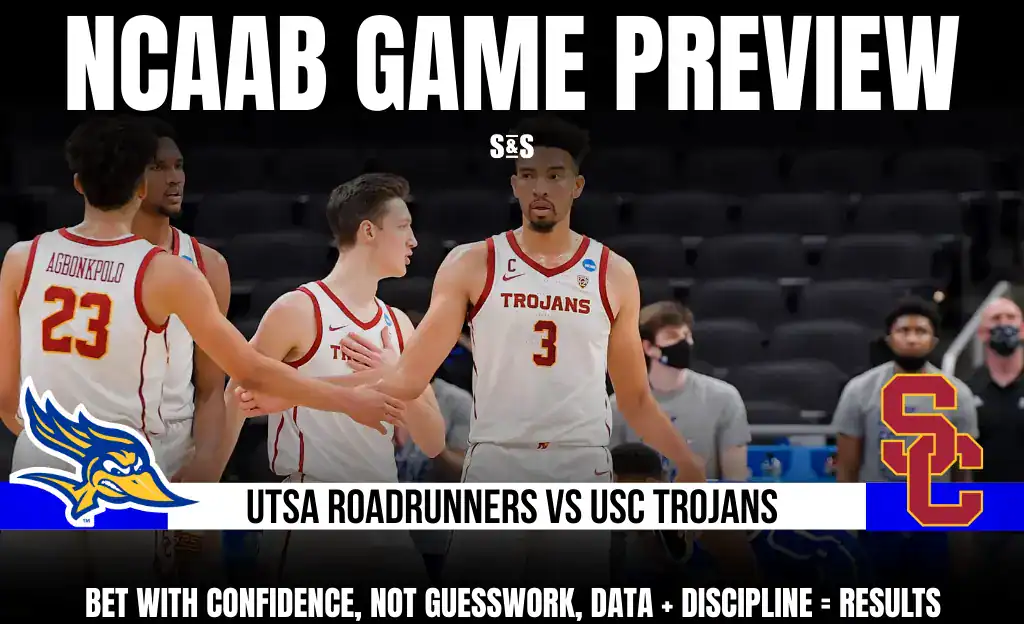

Game Preview UTSA Roadrunners @ USC Trojans
The December 17 matchup between the UTSA Roadrunners and the USC Trojans projects as a classic mid-major versus power-conference contest with contrasting stylistic profiles. UTSA brings disciplined offensive execution and emphasis on efficient possessions, while USC operates with a more potent half-court attack and athleticism typical of a Pac-12 program.
For bettors evaluating this game within the broader slate, it’s important to identify how pace, rebounding leverage, and defensive effectiveness influence both the spread and total. Panels like the NCAAB picks provide comparative context across similar non-conference games, while live pricing and market movement on the NCAAB odds and scores hub often reveal where sharp money places its confidence.
Both teams’ season profiles — including pace, scoring distribution, and defensive splits — can be referenced on the NCAAB teams directory to better understand how matchups under different tempos have trended historically.

Streamline Your Picks in One Dashboard
All Sports. All Experts. One Login.
Odds and Key Information
Early markets typically list USC as a significant favorite given its power-conference pedigree, more efficient half-court scoring, and depth advantages. Spreads often sit in the double-digit range, while totals tend toward the mid-150s, reflecting expectations of controlled possessions with occasional bursts from both teams.
Spread and total movement ahead of tip-off can indicate market sentiment on tempo and efficiency assumptions. If the spread widens further, it may signal confidence in USC’s defensive ability to suppress UTSA’s scoring. Conversely, a tightening spread could indicate bettor respect for UTSA’s execution and ability to keep possessions efficient.
Tracking current lines and totals via the NCAAB odds and scores page and comparing to similar contests on the NCAAB picks slate is part of a disciplined handicapping process.
| Category | Detail |
|---|---|
| Matchup | UTSA Roadrunners @ USC Trojans |
| Date | December 17 |
| Location | Los Angeles, California |
| Spread | USC large favorite |
| Total | Mid-150s |
| Market tools | NCAAB odds and scores, NCAAB picks |
UTSA Roadrunners Outlook
The UTSA Roadrunners emphasize disciplined offensive execution and half-court control against most opponents. Their offense operates with a significant focus on limiting turnovers, generating high-quality shots early in the clock, and using ball screens effectively to create rhythm. This disciplined approach frequently keeps games within reach against more athletically gifted teams if possessions are managed well.
UTSA’s defensive identity often prioritizes position and coordination over frenetic pressure. The Roadrunners aim to contest shots without over-committing, a strategy that can suppress opponent scoring efficiency, especially when combined with solid defensive rebounding. Their ability to neutralize transition opportunities is key when facing teams like USC that can score efficiently in open court.
Offensive rebounding and free-throw generation are secondary but significant pathways for UTSA to stay competitive. Extra possessions created through offensive boards can compensate for occasional scoring droughts, and a strong free-throw rate can sustain late-game competitiveness. Evaluating how often UTSA does these things relative to its season baseline is important for spread and total considerations.
When evaluating this matchup, it helps to reference UTSA’s team page within the NCAAB teams index, which offers context on usage rates, efficiency splits, and pace compared to similar profiles.
USC Trojans Outlook
The USC Trojans bring a combination of athleticism, size, and half-court efficiency that typically separates them from mid-major opponents. USC’s offense is built around spacing, post presence, and the ability to convert off ball movement into high-quality scoring opportunities. That offensive diversity makes it difficult for disciplined defenses to solely rely on structure and positioning.
Defensively, USC often relies on athletic rotations and help defense to contest shots inside and on the perimeter. Their ability to limit second-chance points and control the glass on both ends of the floor increases possession value and constrains opponent scoring opportunities — particularly versus teams focused on half-court execution.
USC’s pace is typically moderate rather than extreme, emphasizing efficiency over volume. When they impose half-court structure effectively, possessions become value-oriented and totals tend toward under. However, if USC can force turnovers and convert them into transition buckets, the total can accelerate beyond market expectations.
Considering USC’s broader team context within the NCAAB teams directory provides useful benchmarks on efficiency and tempo relative to other power-conference programs.
Key Matchup
The primary strategic clash in this game is UTSA’s disciplined half-court execution versus USC’s athletic half-court pressure and offensive versatility. If UTSA successfully limits turnovers and forces USC into extended possessions, the game can stay competitive and the total may compress closer to under expectations for a mid-major versus power-conference matchup.
Rebounding and possession quality are pivotal. USC’s ability to secure defensive rebounds after contested possessions reduces UTSA’s second-chance opportunities and increases overall scoring efficiency. Conversely, if UTSA earns offensive rebounds and generates free-throw opportunities, it improves its ability to stay within striking distance and influences both sides and total markets.
Turnover margin also swings outcomes. USC’s athleticism can create transition opportunities off turnovers, which expands scoring variance and potentially pushes totals above market assumptions. If turnovers are limited, the controlled possessions favor under and narrow margins.
These possession and efficiency concepts align with broader analytical principles found in the NBA expert betting guide, where possession quality often outweighs raw tempo in predicting spread and total behavior.
Betting Trends
UTSA games often trend toward moderate totals when pace is controlled and possessions are disciplined. When the Roadrunners execute with few turnovers and secure defensive boards, opponent scoring efficiency drops and totals compress.
Against the spread, UTSA performs better when the spread underestimates their ability to manage possessions and limit opponent transition opportunities. Their disciplined style frequently keeps games closer than raw scoring metrics might suggest.
USC trends tend to reflect its efficiency advantage, especially at home. When USC wins the possession battle and controls rebounding margins, they often cover larger spreads and suppress totals relative to public expectation. If possessions increase due to turnovers or open court scoring, totals can exceed initial pricing.
Evaluating how these trends compare across the slate on the NCAAB picks page and monitoring price shifts on the NCAAB odds and scores hub will help clarify where value exists in both side and total markets.
Futures and broader seasonal narratives found in resources such as the College Basketball Championship odds and John Wooden Award odds and predictions analysis also reinforce how markets weigh efficiency and star usage across the season.
Prediction
This contest projects as a game where possession quality and execution matter more than pure pace. USC’s combination of athletic half-court scoring and defensive rebounding gives the Trojans an advantage, but UTSA’s disciplined execution and ability to limit turnovers could keep the margin narrower than expected.
If UTSA forces a controlled tempo and avoids extended scoring runs by USC, the total leans under and the road underdog may cover. However, if USC imposes its offensive versatility and converts turnovers into transition scoring, the game is more likely to tilt toward the home favorite.
Projected score: USC 80, UTSA 69
Spread pick: USC -11
Total lean: Under mid-150s
Bet With Confidence, Not Guesswork
Data + Discipline = Results
Why You Need Expert Picks
Non-conference games featuring mid-major versus power-conference matchups are often nuanced and require disciplined analysis beyond raw averages. Factors such as possession quality, rebounding leverage, and turnover conversion frequently outweigh simple scoring metrics.
The NCAAB picks section aggregates detailed breakdowns from experienced handicappers who evaluate these deeper dynamics. The Handicappers Leaderboard allows bettors to compare into closing line performance, unit returns, and consistency across similar contests.
Pairing expert insights with real-time market tracking on the NCAAB odds and scores page and team profiles from the NCAAB teams directory enhances decision quality throughout the season.

