NFL Previews
  MLB Previews
  NBA Previews
  NHL Previews
  Soccer Previews
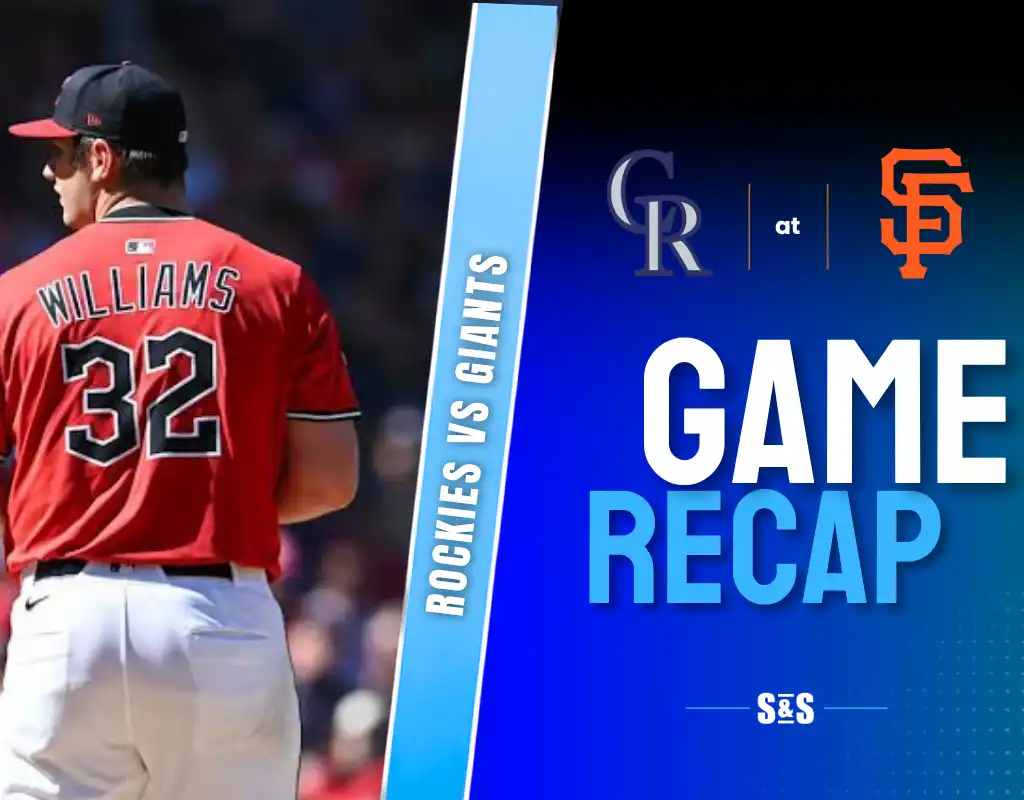

Table of Contents
The Colorado Rockies vs San Francisco Giants recap starts with the preview’s best bet getting home: San Francisco beat Colorado 4-2 at Oracle Park, cashing the Giants moneyline at -132 and rewarding bettors who trusted Tyler Mahle to control the matchup. The final score was tight enough to stay inside an Under script, but Casey Schmitt’s three-run homer gave San Francisco the separation it needed.
The original ScoresAndStats preview listed Colorado at +110, San Francisco at -132, and the total at 8.0, with Giants moneyline as the best bet. The handicap leaned on Mahle’s cleaner run-prevention profile against Kyle Freeland and the idea that San Francisco had the better chance to control the opening innings. Bettors working through the broader MLB preview board got the right question before first pitch: could the Giants turn the starting-pitching edge into a lead before late-game variance arrived?
The answer was yes, but it was not automatic. San Francisco needed Mahle’s seven strong innings, Schmitt’s decisive swing, and late bullpen control to finish the job. Giants moneyline bettors were rewarded, Rockies moneyline backers were punished, Giants run-line bettors got the bonus result, and Under bettors cashed because the game never turned into a full offensive race.













Go Inside the Handicappers’ Playbook
All in one spot. Real-time line moves, sharp reads, and verified edges.
Colorado Rockies vs San Francisco Giants Game Recap
| Game Detail | Result |
|---|---|
| Final Score | San Francisco Giants 4, Colorado Rockies 2 |
| Venue | Oracle Park, San Francisco |
| Key San Francisco Starter | Tyler Mahle allowed one run over seven innings |
| Decisive Swing | Casey Schmitt three-run home run in the sixth inning |
| Colorado Late Push | Kyle Karros solo home run in the eighth inning |
| Key Betting Result | San Francisco moneyline cashed; Under 8 also cashed |
Colorado had a chance to make this uncomfortable early because Kyle Freeland opened with sharp command. He allowed just one hit through the first four innings, struck out five in that stretch, and gave Rockies backers a real path into the game. For anyone holding Colorado +110, the early innings were not empty hope. The underdog was keeping the game low-scoring and forcing San Francisco to find a specific swing.
The third inning added some strange game-state noise. Colorado scored on a balk sequence, and San Francisco manager Tony Vitello was ejected after arguing through the confusion around the call. That could have rattled the Giants. Instead, Mahle kept the game under control and prevented the Rockies from turning that unusual inning into a larger rally.
That was the first key betting difference. Colorado got the first run but did not build on it. San Francisco stayed inside the game because Mahle did not let the inning spill into multiple runs. In a matchup where the preview’s best bet depended on the Giants controlling the starter comparison, that mattered. The Giants could live with a one-run deficit. They could not live with a crooked inning.
The sixth inning flipped the side. Freeland gave up back-to-back singles, and Schmitt punished the mistake with a three-run homer. That swing turned Colorado’s underdog script into San Francisco’s favorite script in one at-bat. The Giants did not need a long parade of hits. They needed traffic ahead of one power swing, and Schmitt supplied it.
Colorado’s best late answer came from Karros, who homered in the eighth to make the score 4-2. But the Rockies could not build a larger rally after that, striking out too often down the stretch and failing to make the Giants protect the lead through extended traffic. The original matchup preview projected a 5-3 San Francisco win. The final landed one run lower for each side, but the market story was close: Giants side, lower-scoring game, starter-led control.
Key Stats That Explain the Betting Result
The most important betting stat was Mahle allowing one run over seven innings. That was the foundation for every winning San Francisco ticket. A favorite laying -132 does not need perfection, but it does need starter stability. Mahle gave the Giants seven innings of control, kept Colorado from stacking rallies, and made sure Schmitt’s homer became decisive instead of merely corrective.
The second key stat was Schmitt’s three-run homer. That was the game’s leverage swing. San Francisco did not have to grind out constant scoring chances against Freeland. The Giants needed one inning where runners reached ahead of the right bat. Once Schmitt connected in the sixth, Giants moneyline bettors moved from stress to control, and Giants run-line bettors suddenly had a live ticket.
Freeland’s line tells the other side of the same story. He was sharp early, avoided walks, struck out nine overall, and still lost because one sixth-inning sequence undid the good work. That is baseball variance in its cleanest form. A starter can execute for most of the day and still lose the market if the one mistake arrives with runners aboard.
The total result also matters. The listed number was 8.0, and the game finished with six combined runs. Under bettors were rewarded because neither offense stacked repeated scoring innings, and Oracle Park’s run environment did not turn routine contact into a high-scoring game. Bettors reading this through the recap archive should see that the Under was not random. It was supported by both starters for most of the afternoon.
Colorado’s six-hit output and late strikeouts explain why the Rockies moneyline failed. The Rockies had the first lead and a late solo homer, but not enough traffic in between. That is the difference between staying competitive and winning the game. In a low-scoring matchup, isolated scoring can cover up for a while. It usually cannot beat a favorite if the favorite gets the one multi-run swing.
For bettors using a disciplined betting process, the key forward-looking note is that this was not just “Giants win at home.” It was a starter-backed favorite win. The price made sense because Mahle gave San Francisco the cleaner path to the middle innings, and the lineup eventually found the leverage hit.
Betting Market Results
| Market | Betting Takeaway |
|---|---|
| Colorado Moneyline +110 | Lost after the Rockies failed to protect the early one-run lead |
| San Francisco Moneyline -132 | Cashed as the preview’s best bet behind Mahle and Schmitt |
| Colorado +1.5 (-150) | Failed because San Francisco won by two runs |
| San Francisco -1.5 (+130) | Cashed by the exact two-run margin |
| Under 8 Runs (-110) | Cashed with six combined runs |
The best-bet result was a win. San Francisco moneyline at -132 cashed because the Giants got the stronger start, the decisive homer, and enough bullpen finish to close the game. It was not a blowout script, but the moneyline never required one. It required the Giants to win the highest-leverage inning, and they did.
The run line was more aggressive, but it also cashed because the final margin landed at exactly two. Colorado +1.5 backers were burned by Schmitt’s three-run swing and the inability to add more than Karros’ late solo homer. Bettors comparing MLB markets through sportsbook comparison should take the lesson forward: moneyline and run line tickets can both win, but the run line needs separation. Here, one three-run homer supplied it.
Game Analysis: Why San Francisco Cashed the Best Bet Without a Clean Start
San Francisco cashed the best bet because the Giants did not let early frustration become a game-long problem. The balk sequence and Vitello ejection could have created a sloppy, emotional inning. Instead, Mahle settled the game. That is exactly what a home favorite needs from a starter: not just outs, but calm after a strange moment.
Mahle’s seven innings gave San Francisco control of the bullpen plan. The Giants did not have to chase outs in the fourth or fifth, did not have to expose middle relief too early, and did not have to ask the offense to score seven or eight runs. That matters in a game with an 8.0 total and a park that can reward pitchers when they keep the ball away from mistake zones.
Schmitt’s homer showed why middle-order power can rescue a favorite even when the offense is not generating constant pressure. San Francisco was not hammering Freeland for five innings. The Giants waited for the one sequence where runners reached and a mistake arrived. Schmitt turned that into the game’s defining at-bat.
Colorado’s side of the game is more frustrating than poor. Freeland competed. The Rockies scored first. They had a late homer. But they did not sustain enough offense against Mahle, and they could not answer the sixth-inning swing with a multi-run rally of their own. That is why the underdog stayed close but did not cash.
For readers using handicapper evaluation, this is the kind of result that separates smart side analysis from lazy favorite chasing. The Giants were not the right side just because they were at home. They were the right side because the starter, park, and late-inning structure made their path more stable.
Why Colorado Failed Underdog Bettors
Colorado failed underdog bettors because the Rockies did not add on after taking the early lead. In baseball, a one-run road lead is a starting point, not a cushion. Colorado needed to make Mahle work harder, force bullpen exposure earlier, and create another scoring pocket before San Francisco’s lineup found its swing. That never happened.
Freeland gave Colorado a chance. He was sharp through four, missed enough bats, and avoided walks. That is usually the formula for a live plus-money road side. The problem was the sixth inning. Back-to-back singles ahead of Schmitt changed everything. The Rockies had held the line for most of the afternoon, then lost the leverage sequence.
Karros’ eighth-inning homer kept the game from feeling finished, but it did not create a full comeback lane. A solo home run helps, but it does not stress the opposing bullpen the same way a walk, single, and extra-base hit can. Colorado needed traffic after that swing. The Rockies did not get enough.
That is why Colorado +1.5 also failed. The Rockies were inside the number for much of the game, but they never created enough margin protection after Schmitt’s homer. A bettor using market discipline should recognize the difference between a competitive underdog and a valuable underdog. Colorado competed. San Francisco still owned the result.
Why the Under Fit the Game Script Better Than the Early Chaos Suggested
The Under fit the game script because the odd third-inning sequence created confusion without creating a true run environment. Colorado scored, the Giants lost their manager, and the inning had energy. But it did not become the kind of crooked inning that ruins an Under. Mahle held the damage to one run, and that kept the total protected.
Freeland’s early work also supported the Under. Even though he eventually allowed the decisive homer, he did not let the Giants stack scoring innings. His first four frames kept the game quiet, and the sixth-inning damage still stopped at three runs. For Under bettors, that containment mattered.
The final score reached only six combined runs because both teams’ scoring was concentrated. Colorado had the balk run and Karros’ solo homer. San Francisco had Schmitt’s three-run swing and one additional run. That is not a sustained scoring environment. It is a small number of isolated moments.
This is where the broader MLB matchup context matters. Totals at Oracle Park should be read through pitcher command, weather, fly-ball suppression, and bullpen usage. The preview noted the cooler marine-air setting as part of the handicap, and the final score fit that lower-scoring framework.
What the Stats Say for Future Matchups
The biggest repeatable San Francisco signal is starter-backed stability. Mahle allowed one run over seven innings, and that gave the Giants a clean path to cashing a modest moneyline price. When San Francisco gets that kind of length from a starter, the bullpen can be deployed from strength rather than panic. That matters for future moneyline spots.
The fragile San Francisco signal is the run-line result. Giants -1.5 cashed, but it needed Schmitt’s three-run homer and a two-run final margin. Bettors should not automatically turn every Giants moneyline opinion into a run-line play. The moneyline was the cleaner pregame expression because the game projected as competitive and relatively low-scoring.
For Colorado, the repeatable positive is Freeland’s early command. He gave the Rockies a real chance through five innings and showed that the underdog had a path. The fragile signal is late-inning offensive response. Colorado scored first and added a solo homer, but the lineup did not create the rally volume needed after falling behind.
The best future betting angle is to separate starter quality from offense conversion. San Francisco can be playable as a home favorite when the starter gives the Giants a stable first-half edge, but the price still has to leave room for a tight game. Colorado can be interesting as a plus-money side when the starter is live, but the Rockies need a clearer run-creation path before backing them on the road. Before the next card, compare the matchup through the MLB team context, keep the betting framework focused on market type, and remember what this Colorado Rockies vs San Francisco Giants recap showed: the Giants did not dominate every inning, but they owned the inning that paid the ticket. For one outside board comparison, bettors can also check SportsHub MLB coverage, but the core lesson stays the same: Mahle gave San Francisco the floor, and Schmitt gave the Giants the cover.