NFL Previews
  MLB Previews
  NBA Previews
  NHL Previews
  Soccer Previews
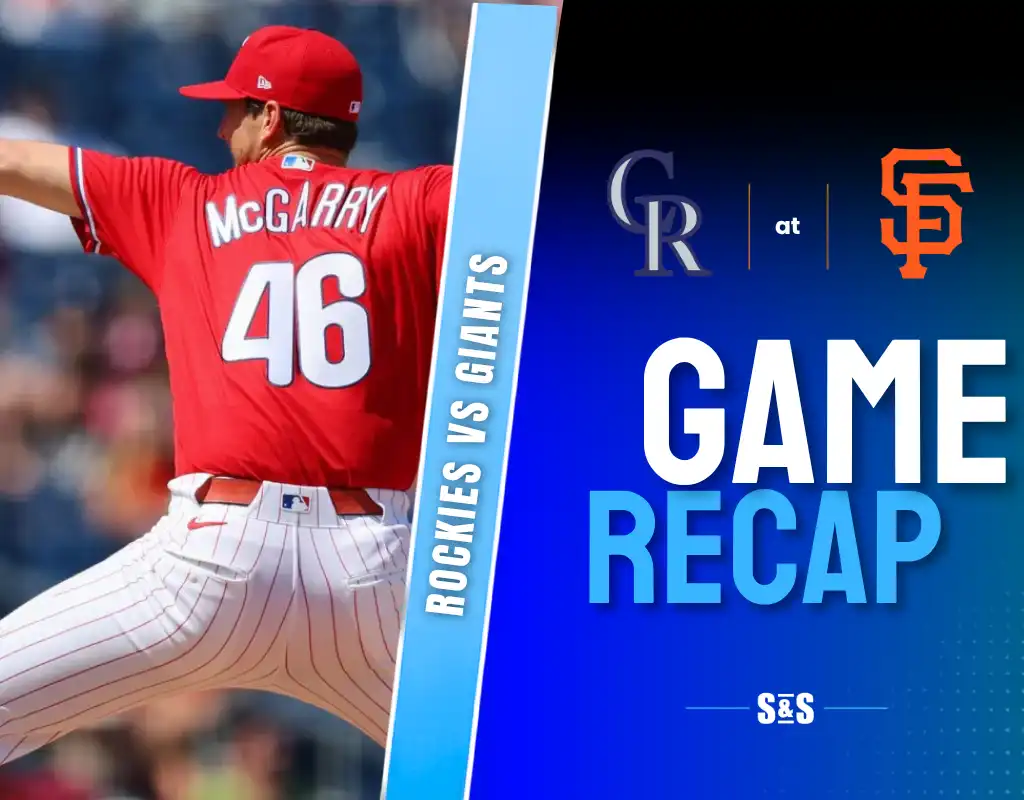

Table of Contents
The Colorado Rockies vs San Francisco Giants recap starts with the preview’s preferred side getting there in the cleanest possible market lane. San Francisco beat Colorado 3-1 on Sunday at Oracle Park, cashing the Giants moneyline and also rewarding run line bettors after a late eighth-inning push created the two-run margin.
The original ScoresAndStats preview listed Colorado at +122, San Francisco at -140, the Rockies +1.5 at -169, the Giants -1.5 at +146, and a total of 8.5. The best bet was San Francisco Giants moneyline -140, built around the home-field setup, Trevor McDonald’s starter profile, Michael Lorenzen’s road risk, and a low-scoring game script that made clean pitching and late execution more important than raw offensive volume.
The final score validated that read. Colorado grabbed an immediate highlight on Jake McCarthy’s leadoff inside-the-park homer, but the Rockies’ offense went quiet after that. McDonald settled in, the Giants stayed close, and San Francisco finally created the eighth-inning separation that flipped the run line and protected the moneyline. For bettors, this was a strong reminder that a disciplined betting process has to distinguish between an early highlight and a full-game scoring profile.













Go Inside the Handicappers’ Playbook
All in one spot. Real-time line moves, sharp reads, and verified edges.
Colorado Rockies vs San Francisco Giants Game Recap
| Game Detail | Result |
|---|---|
| Final Score | San Francisco Giants 3, Colorado Rockies 1 |
| League | Major League Baseball |
| Ballpark | Oracle Park |
| Key Pitching Edge | Trevor McDonald’s strong seven-inning outing |
| Colorado Highlight | Jake McCarthy leadoff inside-the-park home run |
| Key Betting Result | Giants moneyline and run line cashed; under 8.5 cashed |
This game started with the one thing San Francisco backers did not want: immediate Colorado speed turning into a run. McCarthy’s leadoff inside-the-park homer gave the Rockies a 1-0 lead before the Giants could settle into the home-favorite profile. In a low-total game, that kind of first-inning swing matters because it can turn a favorite ticket into an instant sweat.
But the first inning was not the whole game. That was the central betting lesson. Colorado had the most memorable early moment, but not the sustained offense. The Rockies finished with only four hits, and that limited their ability to build on the McCarthy homer. Once the Giants stopped the first punch from becoming a bigger inning, the game moved back toward the preview’s preferred shape: low scoring, starter-driven, and likely decided by the cleaner late-game bridge.
McDonald gave San Francisco that bridge. His seven-inning performance was the reason Giants moneyline bettors could survive the early deficit without needing a loud offensive comeback. He made the Rockies keep earning every baserunner, and Colorado could not generate enough traffic to turn the matchup into a road underdog upset.
Lorenzen also kept Colorado competitive. He allowed only one earned run over five innings, which meant the Rockies were not buried by their starter. That is why the game stayed tense into the late innings. The difference was that Colorado’s relief handoff eventually cracked, while San Francisco found the exact late separation the run line required.
The eighth inning decided the full market. Antonio Senzatela surrendered two runs, and the Giants moved from a tight moneyline position into a two-run final margin. That swing mattered because San Francisco -1.5 at +146 needed more than a simple home win. It needed a late push. The Giants got it.
This result belongs in the MLB preview board archive as a clean example of a moneyline favorite cashing through pitching and patience. San Francisco did not overwhelm Colorado early. It kept the game inside the expected script, then won the inning that mattered.
Key Stats That Explain the Betting Result
The most important betting stat was Colorado’s four-hit total. McCarthy’s leadoff inside-the-park homer was dramatic, but the Rockies did not create enough after it. In baseball betting, one early run can support an underdog ticket only if the lineup keeps pressure on the opposing starter. Colorado did not.
The second key factor was McDonald’s seven-inning performance. That was the backbone of the Giants moneyline. San Francisco could absorb an early run because its starter kept the game from opening up. A home favorite laying -140 does not need a blowout when the starter can control the middle innings and keep the opponent at one run.
Lorenzen’s five innings of one-earned-run work also explains why the game stayed under. The Rockies starter gave his side a chance. He did not produce the loss by himself. The problem came later, when San Francisco’s pressure finally turned into two eighth-inning runs and Colorado’s offense had no answer.
The final combined score of four against a total of 8.5 made the under the cleanest market result. Under bettors were rewarded because the first-inning homer did not become a sign of a loose run environment. Anyone reviewing this matchup through a postgame betting review should mark that distinction carefully: early scoring does not automatically mean an over game if the rest of the lineup never follows.
Betting Market Results
| Market | Result and Betting Takeaway |
|---|---|
| San Francisco Moneyline -140 | Won; the preview’s best bet cashed behind McDonald’s start and late Giants separation |
| Colorado Moneyline +122 | Lost; the Rockies scored first but could not build enough offense after the leadoff homer |
| San Francisco -1.5 (+146) | Won; the eighth-inning scoring push created the two-run final margin |
| Colorado +1.5 (-169) | Lost; the expensive underdog cushion was erased by the late Giants rally |
| Total 8.5 | Under; the 3-1 final stayed well below the listed number |
The San Francisco moneyline was the cleanest pregame side because it matched the expected edge without requiring margin. That mattered for most of the game. The Giants did not lead comfortably early, and the run line needed the eighth inning to get paid. The moneyline had the better process because it only asked San Francisco to win a low-scoring home game.
The run line ended up cashing, but bettors should not confuse outcome with comfort. Giants -1.5 at +146 was the better payout, not the safer position. It needed Senzatela’s eighth-inning trouble to turn a tight score into a two-run finish. Without that inning, San Francisco backers may have had a winning moneyline ticket and a losing run line ticket.
The total was the strongest market result. Under 8.5 cashed comfortably because both starters kept the game controlled and Colorado’s offense never followed McCarthy’s first-inning spark. That is where sportsbook comparison matters, but the main handicap was simple: the game had the low-run shape the preview expected, and the Giants were the side that finished it.
Game Analysis
The pregame case for San Francisco was built on home-field structure, starter fit, and modest price discipline. The Giants were not priced as a heavy favorite. They were priced as the better-positioned side in a matchup where both teams had losing records and where one clean pitching performance could decide the result.
McCarthy’s inside-the-park homer challenged that case immediately. It gave Colorado the lead, injected volatility into the first inning, and briefly made the Rockies +122 moneyline look live. But an underdog ticket needs more than one highlight. It needs innings. It needs pressure. It needs baserunners after the first scoring moment. Colorado did not provide enough of that.
The Giants won because they did not let the game get away after the early mistake. McDonald settled in, the defense and bullpen structure stayed intact, and San Francisco waited for the Rockies’ staff to offer a late opening. That is a professional way to cash a modest home favorite price. It is not flashy, but it is useful.
Lorenzen’s outing complicates the recap in the right way. Colorado’s starter was not the reason the Rockies lost. He gave them five innings and kept the game tight. The failure came from the lack of lineup support and the late relief inning that turned San Francisco’s side into a run line winner.
From a handicapper evaluation standpoint, the preview’s best-bet logic was validated. Giants moneyline -140 was playable because the matchup projected as a low-scoring home game where San Francisco had the better path to the decisive inning. That is exactly what happened.
Why San Francisco Cashed the Best-Bet Ticket
San Francisco cashed the best-bet ticket because the Giants controlled the game after the opening swing. A leadoff inside-the-park homer can make a favorite sweat, but it does not decide the matchup if the starter prevents the road lineup from building on it. McDonald did that.
The Giants’ offense did not need to overwhelm Colorado. In a game that finished 3-1, the winning side needed timely scoring and late pressure, not constant production. San Francisco found enough offense, then used the eighth inning to turn the moneyline win into a run line result.
The home-field edge also mattered in the way it usually matters in baseball: quietly. The Giants did not need the bottom of the ninth, but they did get to manage the game from the home dugout, trust their starter deeper, and pressure Colorado’s late relief with the game still in reach. That structure supported the -140 price.
For future Giants games, bettors should respect San Francisco when the matchup points toward run prevention and the number stays reasonable. The warning is not to overpay for one low-scoring win. The better move is to use market discipline, compare the moneyline to the run line, and ask whether the Giants need only to win or must create margin.
Why Colorado’s Early Lead Did Not Protect the Ticket
Colorado’s early lead did not protect the ticket because the Rockies’ offense stopped applying pressure. McCarthy’s homer gave Colorado the first run and the best early highlight, but the Rockies had only four hits for the game. That is not enough traffic to support a road underdog moneyline in a low-scoring park.
The Rockies +1.5 position was also beaten late. For much of the game, that expensive cushion looked useful because the score stayed tight. Then San Francisco’s eighth-inning rally changed the math. A 2-1 or 1-1 type of game protects the underdog run line. A 3-1 final does not.
That is the danger of paying -169 for +1.5 protection. The cushion can still lose if the favorite finds one late inning. Colorado bettors were not wrong to respect a low-scoring script, but the price was heavy, and the lineup did not do enough to support the ticket after the first at-bat.
Before backing Colorado in a similar road underdog spot, bettors should use broader MLB matchup context to check whether the lineup has enough contact depth to turn early baserunners into repeated scoring chances. One run can make the game interesting. It rarely makes the ticket safe.
Why the Under Was the Strongest Market Result
The under 8.5 was the strongest market result because the game never developed beyond the starter-controlled script. McCarthy’s leadoff homer could have been a warning sign for under bettors, but the next eight innings showed that the early run was more isolated than predictive.
McDonald’s length was the most important part of the under. Seven strong innings reduced bullpen exposure and kept Colorado from seeing enough vulnerable middle relief to build a rally. Lorenzen’s five one-earned-run innings also supported the low-scoring framework. Both starters did enough to keep the number from ever coming under real pressure.
The eighth inning did not damage the under because San Francisco’s two-run push still left the combined score at four. That is the advantage of a low-scoring first seven innings. Even a late favorite rally can change the side and run line without threatening the total.
For future totals, this game is a useful example for recap archive context. Early scoring does not automatically kill an under. What matters is whether the scoring creates sustained traffic, bullpen stress, and multiple-run innings. Colorado’s first swing did not lead to that. San Francisco’s late push was still too limited to break the number.
What the Stats Say for Future Matchups
The repeatable signal for San Francisco is starter-led control. McDonald’s seven-inning performance gave the Giants the exact structure a home favorite needs in a low-scoring matchup. When San Francisco can get that kind of length and avoid early bullpen exposure, the Giants can justify modest moneyline prices even without a huge offensive day.
The fragile signal is the run line comfort. San Francisco -1.5 cashed, but it needed the eighth-inning scoring push. Bettors should not treat this as proof that Giants run lines are automatically playable. The moneyline was the cleaner pregame position because the matchup projected tight from the start.
For Colorado, the repeatable concern is lineup depth. McCarthy’s inside-the-park homer was electric, but the Rockies did not create enough after it. The fragile signal is the bullpen failure. Senzatela’s eighth inning decided the run line, but the larger issue was that Colorado had no offensive cushion.
The future betting angle is to price pitching length and offensive follow-through. San Francisco -140 cashed, Giants -1.5 cashed, and under 8.5 cashed because the game stayed controlled after the early homer and because the Giants owned the late inning. Bettors comparing the next Rockies or Giants number should use price comparison, check starter length, and avoid paying heavy juice for underdog protection unless the lineup can build more than one scoring moment. For an outside MLB board check, MLB betting board context can help confirm whether the next price has adjusted too far.
The Colorado Rockies vs San Francisco Giants recap ends with a clear betting lesson: the preview’s Giants moneyline was the right side, the run line was the better payout, and the under was the strongest market read. San Francisco’s 3-1 win rewarded home favorite backers because McDonald steadied the game after McCarthy’s early homer and the Giants found late separation. Before the next ticket, run the matchup through market infrastructure, starter command, bullpen trust, and lineup depth. The first swing belonged to Colorado. The full game belonged to San Francisco.