NFL Previews
  MLB Previews
  NBA Previews
  NHL Previews
  Soccer Previews
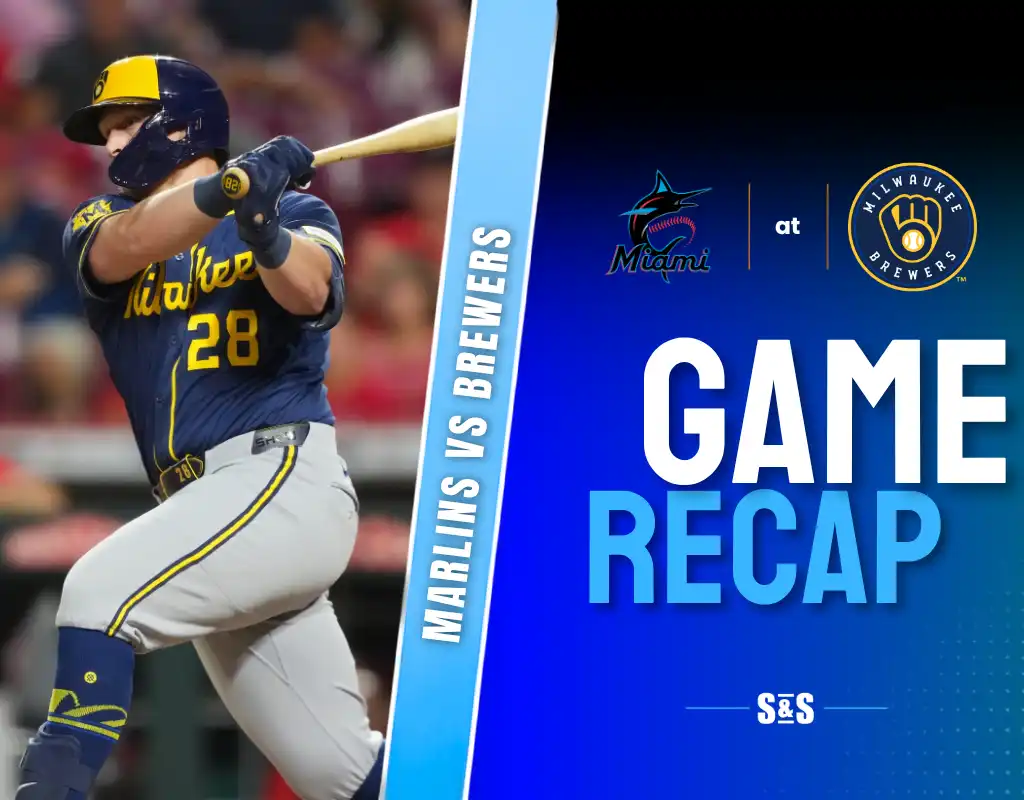

Table of Contents
The Marlins vs Brewers recap was a perfect reminder that the sharpest MLB bet is not always the one tied to the final celebration. Milwaukee beat Miami 3-1 at American Family Field on William Contreras’ walk-off three-run homer in the ninth inning, completing the sweep and turning a quiet offensive afternoon into a sudden Brewers win.
The ScoresAndStats preview pointed bettors toward first five innings under 4.5 at -110 or better, built around Eury Pérez against Robert Gasser and the idea that the starting-pitcher window offered the cleanest path. That read was right. Miami led 1-0 after five innings, which meant the first-five total landed comfortably under the number before the game ever reached its late-inning drama.
The biggest betting lesson from this Marlins vs Brewers recap is that market timing mattered more than the walk-off highlight. First five under bettors were paid long before Contreras changed the final result, while Marlins moneyline backers were punished in the ninth after holding a 1-0 lead almost all afternoon. That is why a disciplined betting process separates starter-window value from full-game bullpen and closing risk.












Go Inside the Handicappers’ Playbook
All in one spot. Real-time line moves, sharp reads, and verified edges.
Marlins vs Brewers Game Recap
| Game Detail | Result |
|---|---|
| Final Score | Milwaukee Brewers 3, Miami Marlins 1 |
| Winning Pitcher | Grant Anderson |
| Losing Pitcher | Pete Fairbanks |
| Ballpark | American Family Field |
| Key Betting Result | First five innings under 4.5 cashed |
| Best Market Lesson | Starter-window value was cleaner than full-game side exposure |
The early innings played exactly into the preview’s preferred structure. Pérez and Gasser kept the scoreboard quiet through the first two innings, and neither lineup generated the kind of immediate crooked number that would have threatened first-five under bettors. This was not a game where hard contact was flying all over the park from first pitch. It was controlled, tense, and built around run prevention.
Miami scored the first run in the third inning when Esteury Ruiz hit a solo home run off Gasser. That swing created a 1-0 Marlins lead and gave Miami backers a real full-game position, but it did not damage the first-five under in a meaningful way. A single solo homer through three innings is exactly the kind of scoring an under can absorb when the starters are otherwise keeping traffic low.
Milwaukee spent most of the afternoon searching for an answer. The Brewers were shut out through eight innings and had only limited offensive production before the ninth. That is the part bettors should not gloss over because of the final score. Milwaukee won, but the Brewers did not spend the whole game controlling the offense. They were behind, quiet, and one inning away from a frustrating home loss.
The first-five market was settled well before the late swing. Miami led 1-0 after five innings, which meant the preview’s best bet had cashed with plenty of room. The first five under 4.5 did not need the bullpens to be perfect, did not need Milwaukee to rally, and did not need Fairbanks to survive the ninth. It only needed Pérez and Gasser to keep the first half of the game clean.
The ninth inning flipped the full-game side. Jackson Chourio led off with a single, Brice Turang walked, and Contreras came off the bench to deliver the game-ending three-run homer. In one swing, Brewers moneyline bettors moved from nearly dead to fully paid, while Marlins backers went from protecting a 1-0 lead to losing outright. Anyone following the MLB preview board should see the split clearly: the early total was the disciplined wager, and the full-game side was exposed to the exact late-inning variance that first-five markets are designed to avoid.
Key Stats That Explain the Betting Result
The most important betting stat was the first-five score: Marlins 1, Brewers 0. That number explains why the ScoresAndStats best bet worked. The wager needed fewer than five total runs through five innings, and the starters delivered a game state that stayed comfortably inside the number.
Gasser gave Milwaukee five innings of one-run baseball. His only major mistake was the Ruiz solo homer, and that is a survivable mistake when the broader goal is early run suppression. He kept Miami from stacking baserunners, avoided the multi-run inning, and gave the Brewers a chance to stay attached to the game even while their own lineup struggled.
Pérez was just as important to the under. He kept Milwaukee scoreless during the starter-window portion of the game and forced the Brewers to carry their offensive frustration deep into the afternoon. The first-five under did not cash because one team missed every chance by accident. It cashed because the starters made run creation difficult.
The full-game box score also tells the story. Miami finished with one run on six hits. Milwaukee finished with three runs on four hits. That is not a high-volume offensive game. It is a low-scoring game decided by one late swing with two runners aboard. For total bettors, that matters because the broad run environment still matched the preview’s cautious approach.
The difference between the early result and the final result was leverage. Through eight innings, Miami’s one solo homer was enough. In the ninth, Milwaukee finally created the one thing it had lacked all afternoon: traffic in front of a decisive swing. Bettors using matchup analysis should focus on that detail. One home run with nobody on base gave Miami a lead. One home run with two men on base gave Milwaukee the game.
Betting Market Results
| Market | Betting Takeaway |
|---|---|
| First Five Innings Under 4.5 | Won as Miami led 1-0 after five innings |
| Brewers Moneyline | Won on Contreras’ ninth-inning walk-off three-run homer |
| Marlins Moneyline | Lost after Miami carried a 1-0 lead into the ninth inning |
| Brewers Run Line | Milwaukee won by two runs, rewarding Brewers margin-based positions tied to that final margin |
| Full Game Total 8.5 | The four-run final stayed well below that previewed total marker |
The first-five under was the cleanest betting result because it matched the preview’s actual recommendation. This was not a case where the right market got bailed out by a lucky late break. The wager was already finished after five innings, and it won because both starting pitchers controlled the early run environment.
Brewers moneyline bettors were rewarded, but the ticket was uncomfortable for eight innings. Milwaukee trailed 1-0, had not produced enough traffic, and needed a ninth-inning rally against the Miami closer. The final result was great for Brewers backers, but the path was thin until Chourio and Turang set the table for Contreras.
Marlins backers took the harsh side of the same lesson. Miami was three outs away from a 1-0 road win. The Marlins had the starting-pitcher path, the scoreboard edge, and a late lead. They did not have the final clean inning. In full-game MLB betting, that is the difference between a sharp-looking ticket and a losing result.
For bettors comparing future prices through sportsbook comparison or checking broader MLB opinions through MLB betting analysis, this game is a strong reminder that market selection should match the handicap. If the edge is Pérez versus Gasser and the early run environment, the first five under expresses that view better than a full-game side that has to survive the ninth inning.
Game Analysis
This Marlins vs Brewers recap is really a story about timing. Miami had the better offensive timing for eight innings. Milwaukee had the only timing that mattered in the ninth. That is not a contradiction. It is baseball.
Ruiz’s third-inning homer gave Miami the first meaningful edge. A solo homer is the cleanest way to score in a low-run game because it does not require rallies, walks, or sequencing. It gave the Marlins a lead without changing the under script, and it allowed Pérez to pitch from ahead.
Milwaukee’s lineup did not immediately respond. That was the surprising part from a full-game side perspective. The Brewers had home-field context, the stronger record, and a chance to complete the sweep, but none of that produced instant offense. For most of the afternoon, Miami’s pitching kept Milwaukee from building the kind of inning that would make the home favorite comfortable.
Gasser’s start still mattered for Milwaukee because it kept the deficit at one. That is an underappreciated part of the game. When a home team is not hitting, the starter’s job becomes preventing the game from moving out of reach. Gasser did that. He did not dominate every moment, but he made sure Miami’s one swing stayed the only damage.
The Brewers bullpen kept the game alive after Gasser. That allowed the ninth inning to matter. If Miami had added on in the sixth, seventh, or eighth, Contreras’ homer might have changed the mood without changing the winner. Because Milwaukee kept the score at 1-0, the ninth-inning traffic became decisive.
The walk-off sequence was simple and brutal. Chourio singled. Turang walked. Contreras got a pitch he could handle and ended the game. That is why closers live in a different betting universe from middle relievers. One baserunner can become stress. Two baserunners can become a market flip. One mistake can erase eight innings of good work.
For bettors, the final swing should not obscure the early lesson. The first five under did exactly what it was supposed to do. The starters suppressed scoring, the total stayed low, and the ticket was not exposed to the late swing. Brewers moneyline bettors got the better ending. First-five under bettors got the cleaner process.
Why the First Five Under Was the Right Read
The first five under was the right read because it isolated the most predictable part of the matchup. The preview could identify Pérez and Gasser. It could evaluate the early run environment. It could account for Sunday bullpen uncertainty by avoiding the full nine-inning total. That is exactly how first-five betting should work.
The game rewarded that discipline. Through five innings, the only run was Ruiz’s solo homer. No multi-run rally. No starter meltdown. No cheap inning inflated by defensive mistakes. Just one swing and otherwise controlled run prevention. That is the kind of game state first-five under bettors want.
The wager also avoided the ninth inning entirely. That matters because the most dramatic moment of the game had nothing to do with the first-five handicap. Contreras’ walk-off homer turned the full-game side, but it could not touch the early total. The ticket was already safe.
This is where market discipline matters more than hindsight. Some bettors will look at the 3-1 final and say the full-game under was also correct. Fine. But the preview’s best bet was cleaner because it reduced the number of variables. It did not need to predict Fairbanks, Contreras, or a walk-off. It only needed the starters to do their job.
Why Milwaukee Rewarded Moneyline Bettors Late
Milwaukee rewarded moneyline bettors because the Brewers stayed close enough for one swing to matter. That is the first requirement of a late comeback. A team cannot steal the ninth inning if the starter and bullpen let the deficit grow. Gasser and the relief group gave the offense time to figure it out.
The Brewers also had the right hitters involved in the final sequence. Chourio reached, Turang extended the inning with a walk, and Contreras provided the finishing swing. That is not random lineup noise. That is pressure building from the top of the order into a dangerous bat off the bench.
Still, bettors should be careful about overpraising the full-game path. Milwaukee won, but the Brewers did not dominate the matchup. They were shut out through eight innings. They had only four hits in the game. Their win was dramatic and valuable, but it was also fragile.
That distinction matters for future Brewers games. A team that keeps winning close games deserves respect, but bettors should ask whether the price is starting to assume too much late-inning magic. Milwaukee can be the better team and still be overpriced if the market ignores how narrow some of these wins are. That is the kind of question bettors should carry into future MLB matchup context.
Why Miami Let the Ticket Slip Away
Miami let the game slip away because the Marlins could not add on. Ruiz’s homer gave them the lead, but one run is a thin margin on the road. The Marlins had six hits, yet only one crossed the plate. That left no cushion for the ninth.
The failure to create a second run mattered more with every inning. A 2-0 or 3-0 lead changes the ninth-inning math. It changes how the pitcher attacks hitters. It changes how Milwaukee approaches the plate. Instead, the Brewers entered the bottom of the ninth knowing one rally could win the game outright.
Fairbanks’ inning was the obvious collapse point, but the broader issue was offensive support. Closers will have bad innings. That is part of full-game betting. The team leading by one has no room for that. Miami’s missed add-on chances gave the Brewers a path, and Contreras took it.
For future Marlins betting, this is a market warning. Miami can have the right starting-pitching angle and still be vulnerable if the offense does not build a cushion. Bettors reviewing handicapper accountability should look for analysis that separates “starter edge” from “full-game conversion.” This matchup showed why those are not the same thing.
What the Stats Say for Future Matchups
The repeatable signal from this Marlins vs Brewers recap is the value of early-inning pitching structure. Pérez and Gasser kept the first five innings at one total run, which is exactly why the preview’s best bet cashed. When both starters have enough command to limit traffic, first-five unders can be cleaner than full-game totals.
The fragile signal is Milwaukee’s late-game offensive escape. A walk-off homer is a great result, but it is not a repeatable betting plan. The Brewers were quiet for eight innings and needed one ninth-inning swing to win. Bettors should respect Milwaukee’s resilience without turning every close game into a guaranteed comeback profile.
For Miami, the repeatable concern is run support. The Marlins got the starter-window result they needed, but the lineup did not add enough offense to protect the full-game side. That should matter in future moneyline spots when Miami is relying on a starter edge but facing a home team with late power.
The fragile part for Miami is blaming the entire game on one pitch. Fairbanks gave up the decisive homer, but the Marlins also carried a one-run lead for too long. The better takeaway is broader: if Miami cannot turn six hits into more than one run, full-game moneyline tickets remain exposed even when the pitching plan works.
The most relevant future betting angle is market selection. The ScoresAndStats preview targeted first five under 4.5 because the starter matchup was the clearest edge. That market cashed before the ninth inning could interfere. Before the next comparable matchup, bettors should compare starter form, early scoring risk, bullpen volatility, and price through broader betting context, then use price comparison, market access, and handicapper accountability as filters rather than shortcuts.
Brewers 3, Marlins 1 was a memorable walk-off win, but the best betting lesson had already landed after five innings. Pérez and Gasser controlled the early game, the first five under cashed, and the full-game side was left to deal with the chaos of a one-run lead in the ninth. That is the reminder bettors should carry forward: the right market can protect a good read from the exact volatility that makes baseball so dangerous.