NFL Previews
  MLB Previews
  NBA Previews
  NHL Previews
  Soccer Previews
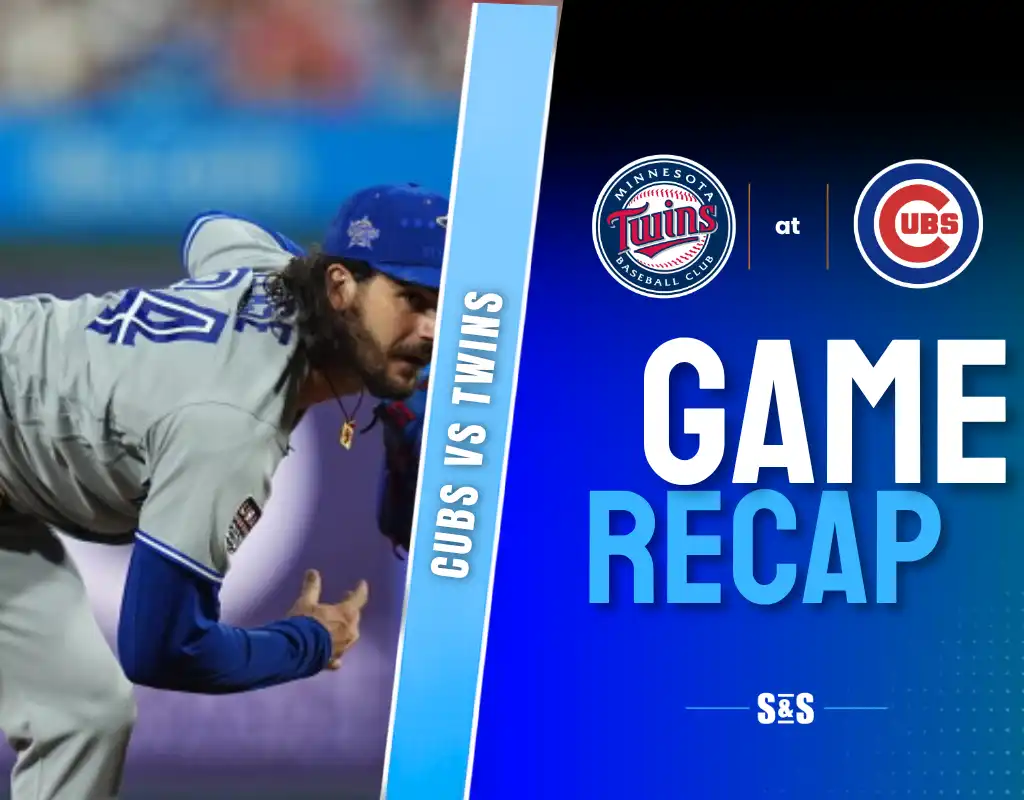

Table of Contents
The Twins vs Cubs recap was settled early, and that was the whole betting story. Chicago beat Minnesota 10-1 at Wrigley Field, scoring in each of the first four innings and putting the game out of reach before the Twins could build any real offensive pressure.
The ScoresAndStats preview framed the matchup around the starting-pitcher window, with the key question being whether the first five innings could stay controlled before bullpen and lineup-rotation variables entered the game. That idea did not survive contact. Chicago led 10-0 after five innings, which made any early-under position unplayable almost immediately.
The biggest betting lesson from this Twins vs Cubs recap is that first five markets remove late bullpen uncertainty, but they do not remove starter blowup risk. Shota Imanaga gave Chicago the exact pitching foundation the Cubs needed, while Zebby Matthews could not keep the ballgame inside a manageable run environment. That is why a disciplined betting process has to test both sides of the starter window before trusting a low early total.












Go Inside the Handicappers’ Playbook
All in one spot. Real-time line moves, sharp reads, and verified edges.
Twins vs Cubs Game Recap
| Game Detail | Result |
|---|---|
| Final Score | Chicago Cubs 10, Minnesota Twins 1 |
| Winning Pitcher | Shota Imanaga |
| Losing Pitcher | Zebby Matthews |
| Ballpark | Wrigley Field |
| Key Betting Result | Cubs moneyline and margin-based positions were rewarded |
| Best Market Lesson | Early offense destroyed the starter-window under before bullpen variance mattered |
Chicago gave the market an answer in the first inning. The Cubs scored twice before the game had any chance to settle, and that instantly changed the shape of the first five innings. Early runs do not automatically kill an under, but they put the ticket on a narrow ledge. When the favorite continues scoring, there is no room left.
The second inning made the first-five market even more uncomfortable. Chicago added another run, moving ahead 3-0, and forcing Minnesota to chase against a starter who was already controlling the strike zone. That was a bad combination for Twins backers and under bettors. A road team trailing early needs baserunners, pressure, and enough contact to change the opposing starter’s rhythm. Minnesota did not create that.
The third inning was the true breaking point. Chicago scored four runs, pushing the lead to 7-0 and turning the game from a manageable Cubs advantage into a full blowout script. Once that inning landed, the first-five under was gone, Minnesota’s moneyline path was nearly gone, and the Cubs run-line profile became much stronger.
The fourth inning added three more Cubs runs, and the scoreboard read 10-0 before the game reached the fifth. That is not a normal starter-window miss. That is a complete early-game breakdown. Matthews was charged with eight earned runs in three innings, and the Twins had to manage the rest of the afternoon from a position where winning the game was no longer the realistic priority.
Imanaga did the opposite. He worked seven scoreless innings, allowed six hits, walked one, and struck out four. The Twins did get runners aboard, but they did not convert them into scoring pressure. Minnesota’s only run came in the eighth inning, long after the betting direction had been decided. Anyone following the MLB preview board should see the key split: Chicago’s side and margin were strong, while the early-under concept was beaten by the exact starter risk that first-five bettors still have to respect.
Key Stats That Explain the Betting Result
The most important betting stat was the first-five score: Cubs 10, Twins 0. That number explains everything. A first-five under cannot survive a favorite scoring 10 runs before the sixth inning. This was not a bullpen beat, not a late defensive collapse, and not a ninth-inning total swing. The game left the preferred early-game structure almost immediately.
Chicago finished with 10 runs on 12 hits, while Minnesota scored one run on eight hits. The hit gap was not enormous, but the run gap was massive because the Cubs did more with their traffic and created higher-leverage swings early. Minnesota collected hits without building the innings that mattered. Chicago turned its chances into damage while the game was still being priced by the starting pitchers.
Imanaga’s seven scoreless innings were the foundation of the Cubs’ moneyline result. He did not need to overpower Minnesota with a double-digit strikeout line. He needed to keep the Twins from stacking baserunners and keep the big inning off the board. He did that, and the offense gave him more than enough cushion.
Matthews’ line was the market problem. Three innings, eight earned runs, and repeated early scoring pressure gave the Twins no realistic betting foothold. When a starter exits after three innings in a 10-0 game, nearly every Minnesota-related full-game market has already been damaged. Even if the bullpen stabilizes the game after that, the ticket is already buried.
The line score adds the final layer. Chicago scored two in the first, one in the second, four in the third, and three in the fourth. That distribution matters because the damage was not isolated to one unlucky inning. The Cubs repeatedly pressured Minnesota early, and that made the result feel earned rather than accidental. Bettors using matchup analysis should treat that as the real lesson: steady early scoring can be more destructive than one late crooked number.
Betting Market Results
| Market | Betting Takeaway |
|---|---|
| First Five Innings Under 4.5 | Lost decisively as Chicago led 10-0 after five innings |
| Cubs Moneyline | Won comfortably behind early offense and Imanaga’s seven scoreless innings |
| Twins Moneyline | Lost after Minnesota fell behind 10-0 through four innings |
| Cubs Run Line | Chicago’s nine-run margin rewarded Cubs margin-based positions |
| Full Game Total 8.5 | The 11-run final cleared that previewed total marker |
The first-five under was the clearest miss because the game reached double digits before the market window closed. That is the harsh side of early-inning betting. It can protect bettors from bullpen chaos, but it cannot protect them from a starter who does not have command, location, or enough swing-and-miss to stop a lineup from turning over.
Cubs moneyline bettors had a much cleaner afternoon. Chicago scored early, scored again, then kept scoring until the side was nearly settled by the middle innings. The win did not require late drama, ninth-inning leverage, or a bullpen escape. It was built on early offense and stable starting pitching.
Run-line bettors on Chicago were rewarded because the Cubs did not stop at a narrow lead. That is important. Plenty of favorites win without covering a margin. This version of Chicago created enough early separation to make the run line feel comfortable by the fourth inning. The 10-1 final left no grading ambiguity.
For bettors comparing future numbers through sportsbook comparison or checking outside MLB opinions through MLB betting analysis, the lesson is straightforward. Do not treat the first five under as automatically safer just because it avoids bullpens. If one starter has a clear hard-contact or command risk, the early window can become the danger zone instead of the safe zone.
Game Analysis
This Twins vs Cubs recap is really about one team controlling both halves of the starter equation. Chicago got run prevention from Imanaga and run creation against Matthews. Minnesota got neither. That is how a game becomes one-sided before the bullpen portion even matters.
The Cubs’ first-inning scoring changed the entire mood. A favorite playing at home can become much easier to trust once it scores first, especially when the opposing lineup has to chase against a starter who is pounding the zone. That early 2-0 lead put the Twins in the wrong game script immediately.
Minnesota’s problem was not that it never put the ball in play. The Twins finished with eight hits, which is enough to suggest there were some opportunities. The problem was that those hits did not come with the sequencing needed to pressure Imanaga. Isolated contact does not beat a starter who avoids the damaging inning.
Chicago’s third inning was the market-killing frame. The Cubs had already done enough to make under bettors uncomfortable, but the four-run third made the early total impossible and pushed the full-game side strongly toward Chicago. From that point forward, Minnesota needed a massive comeback rather than one clean inning.
The fourth inning removed any remaining doubt. Three more Cubs runs made it 10-0, and Matthews’ day was already beyond repair. At that point, the game shifted from competitive baseball into bullpen preservation and damage control for Minnesota. That is a brutal place for a road underdog to be before the fifth inning ends.
Imanaga’s length also mattered because it kept Chicago from having to expose the bullpen early. A 10-run cushion helps every pitcher, but seven scoreless innings still carry betting weight. He made sure Minnesota never turned the game into a track meet. That protected Cubs moneyline and run-line positions while keeping the Twins from finding even a small market comeback.
Why the First Five Under Failed
The first five under failed because Matthews never gave the wager a chance to breathe. The best first-five unders usually need two things: at least one starter in full command and the other starter avoiding the multi-run collapse. Chicago got the first part from Imanaga. Minnesota did not get the second part from Matthews.
The damage pattern was especially tough. Chicago did not wait until the fifth inning to break the ticket. The Cubs scored in the first, second, third, and fourth innings. That steady drip became a flood, and by the time the score reached 7-0 after three, the under was already past the point of realistic recovery.
The other issue was that Chicago’s offense created pressure in different ways. It was not one cheap homer and a quiet afternoon. The Cubs kept traffic moving, forced Matthews into uncomfortable sequences, and turned Minnesota’s defensive and pitching stress into runs. That kind of pressure is what turns a projected starter duel into a blowout.
This is where market discipline has to include a fair counterargument. The first-five structure was logical because it avoided bullpen volatility. But if the weaker starter is vulnerable early, the first five innings become the exact place where the bet is most exposed. That is what happened here.
Why Chicago Rewarded Moneyline and Run-Line Bettors
Chicago rewarded moneyline and run-line bettors because the Cubs controlled the game from the first inning. They did not need to sweat late leverage, and they did not ask the bullpen to protect a one-run lead. The offense created a cushion large enough to make the rest of the game play on Chicago’s terms.
The 10-0 lead after four innings changed everything. It allowed Imanaga to attack hitters without nibbling. It forced Minnesota to chase big innings instead of manufacturing one run at a time. It also made Chicago’s margin-based positions much stronger than a normal favorite profile.
That distinction matters for bettors. A moneyline favorite can win 4-3 and still create a stressful ticket. A run-line favorite needs separation. Chicago delivered separation immediately. The Cubs did not simply win the game. They created the kind of scoreboard gap that made the market comfortable early.
For future Chicago games, bettors should not assume every early scoring burst will repeat. But they should respect the lineup’s ability to punish a vulnerable starter when the matchup opens. That matters when reviewing MLB matchup context, especially in home games where an early lead can change both the pitcher’s plan and the opponent’s offensive pressure.
Why Minnesota’s Offense Never Changed the Betting Script
Minnesota’s offense had eight hits, but the Twins never changed the game state. That is the simplest way to explain the losing side. Hits without sequencing can make a box score look less empty, but they do not cash tickets if they arrive without leverage.
The Twins needed an immediate response after Chicago scored early. They did not get it. They needed a crooked inning after falling behind 3-0. They did not get it. Once the score reached 7-0 and then 10-0, Minnesota’s offense was no longer trying to tilt a competitive game. It was trying to avoid a shutout.
Royce Lewis’ eighth-inning sacrifice fly prevented the shutout, but it did not change the betting result. By then, Cubs moneyline, Cubs run line, and early-over style outcomes had already been decided. The late run mattered for the final score, not for the game’s betting truth.
The warning for future Twins bettors is not that Minnesota cannot hit. The warning is that the lineup has to convert early traffic when the starter matchup puts pressure on the team to keep pace. Against a starter like Imanaga, missed early chances become more expensive once the opposing offense starts scoring. Bettors reviewing handicapper accountability should look for analysis that separates raw hits from meaningful run production.
What the Stats Say for Future Matchups
The repeatable signal from this Twins vs Cubs recap is Chicago’s ability to punish a starter who does not stabilize the first trip through the lineup. The Cubs scored in each of the first four innings, finished with 12 hits, and put the game away early. That kind of offensive pressure matters in future moneyline, run-line, and team-total evaluations.
The fragile signal is assuming every Cubs game with an early offensive edge becomes a blowout. A 10-1 final is loud, but blowouts can distort the next price. Bettors should respect Chicago’s lineup without blindly paying a tax after one runaway result. The better adjustment is matchup-specific: when the opposing starter has command or hard-contact concerns, Chicago’s early scoring upside deserves more attention.
For Minnesota, the repeatable concern is starter volatility. Matthews’ three-inning, eight-earned-run outing put the Twins in a hole too deep for the offense to matter. If Minnesota is priced around a starter who has not shown enough early command, bettors should be careful with full-game moneyline and first-five under exposure.
The fragile part for Minnesota is treating the offense as completely broken because of one lopsided loss. Eight hits show the Twins were not empty. The problem was sequencing and scoreboard pressure. Future Minnesota overs, team totals, and side positions should be evaluated through whether the lineup can build innings early enough to support the pitching staff.
The most relevant future betting angle is risk placement. The first five market is often useful because it removes bullpen uncertainty, but this game showed why it is not automatically safer. The starter window can be the cleanest part of the handicap or the most dangerous part of the board. Before the next comparable matchup, bettors should compare starter command, early hard-contact risk, lineup depth, and price through broader betting context, then use price comparison, market access, and handicapper accountability as filters rather than shortcuts.
Cubs 10, Twins 1 was a clean Chicago win, but the betting lesson was sharper than the final margin. Imanaga gave the Cubs run prevention, Matthews gave Chicago too many early chances, and the first-five under never had a realistic path after the third inning. The next time bettors reach for an early under to avoid bullpen chaos, this is the reminder: the starter window still has to survive the starter.