NFL Previews
  MLB Previews
  NBA Previews
  NHL Previews
  Soccer Previews
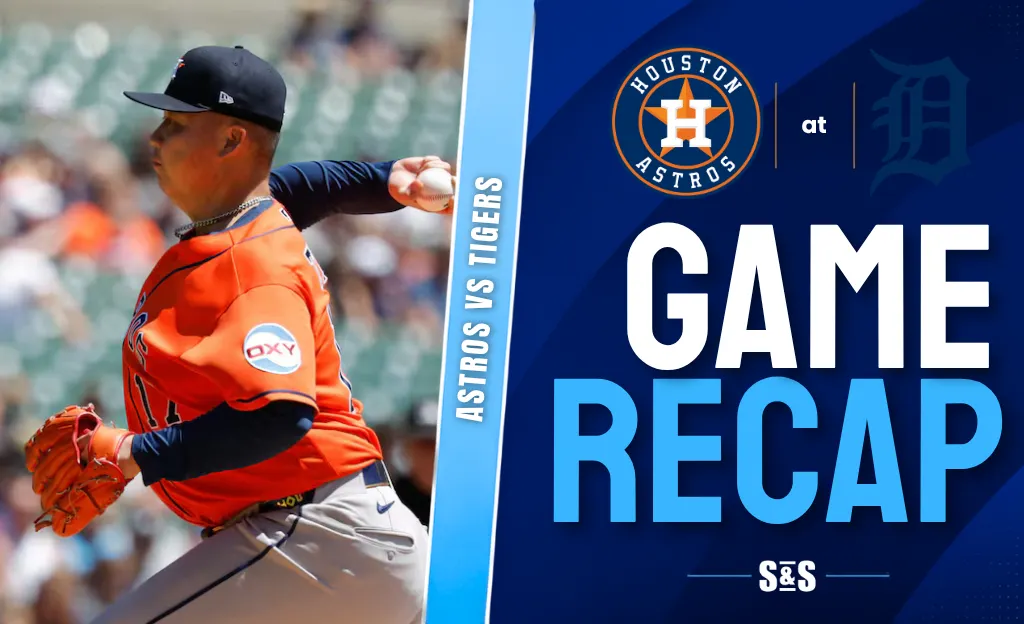

Table of Contents
Houston Astros vs Detroit Tigers ended 8-6 for Houston, and the betting lesson was about bullpen trust. Detroit carried a 6-5 lead into the eighth inning, but Houston kept pressuring the late innings and flipped the game before the Tigers could close it.
The pregame expectation leaned toward Detroit having the cleaner early-game case, especially with the Tigers positioned to attack the first five innings. Bettors using the MLB scores and odds board still had to separate first-five value from full-game exposure, because Houston’s lineup had the depth to make Detroit’s bullpen work.
Astros full-game moneyline bettors were rewarded because Houston collected 15 hits, Jeremy Peña tied the game in the eighth, and Isaac Paredes delivered the decisive two-run double. For bettors comparing MLB picks, this was a clear reminder that a good early handicap can still lose if the bullpen cannot finish the job.

Find value on the diamond.
Check our MLB picks.
Astros vs Tigers Game Recap
| Game Detail | Result |
|---|---|
| Final Score | Houston Astros 8, Detroit Tigers 6 |
| Venue | Comerica Park |
| Key Houston Moment | Isaac Paredes two-run double in the eighth |
| Key Game-Tying Hit | Jeremy Peña RBI single in the eighth |
| Key Betting Result | Astros full-game moneyline bettors were rewarded |
| Best Market Result | Houston full-game side and high-scoring script |
Detroit had the game where early bettors wanted it. The Tigers led 6-5 entering the eighth, and that matched the preview’s first-five Detroit logic more than a full-game Houston angle. Baseball games do not end after five innings, though, and the late bullpen layer became the whole handicap.
Houston’s eighth inning was the decisive point. Peña’s RBI single tied the game against Will Vest, and Paredes followed with a two-run double that turned a one-run deficit into an 8-6 lead. That swing spoiled Detroit’s chance to cash a game it had controlled late.
Christian Walker’s four-hit game gave Houston another major betting clue. The Astros did not win with one lucky swing. They collected 15 hits, kept putting pressure on Detroit’s staff, and eventually made the bullpen crack.
For bettors, this was a full-game reminder. Detroit may have been the sharper early look, but Houston had the lineup depth and late-game persistence to change the ticket. Anyone using MLB previews should keep the market split clear: first five innings and full game are different bets.
Key Stats That Explain the Betting Result
| Stat | Betting Impact |
|---|---|
| Houston 8, Detroit 6 | Astros full-game bettors cashed after a late rally |
| Houston 15 hits | Constant traffic made Detroit’s bullpen vulnerable |
| Christian Walker: 4 hits | Walker gave Houston repeated run-creation chances |
| Jeremy Peña eighth-inning RBI single | Tied the game and shifted live-market pressure |
| Isaac Paredes eighth-inning double | Delivered the decisive late scoring swing |
The most important betting stat was Houston’s 15 hits. That kind of contact volume usually catches up to a bullpen, and it did here. Detroit could survive traffic for a while, but it could not survive it for nine innings.
Walker’s four-hit game mattered because it showed Houston had more than top-of-order pressure. A deep lineup with multiple traffic points is dangerous in full-game markets, especially when the opposing bullpen is asked to protect a narrow lead.
The eighth inning is the clean betting hinge. Peña tied it, Paredes won it, and Detroit’s early position disappeared. Bettors reviewing game results should mark this as a bullpen result, not just an Astros comeback.
Betting Market Results
| Market | Betting Takeaway |
|---|---|
| Houston Moneyline | Won, with the Astros rallying in the eighth |
| Detroit Moneyline | Lost, after the bullpen failed to protect a late lead |
| Run Line | Price dependent, because Houston won by two and exact lines must be verified |
| Total | The 14 combined runs created a high-scoring result |
| First Five Innings | Detroit’s early-game angle was stronger than its full-game finish |
Houston full-game bettors got the better final result, but the market lesson is more layered. The first-five Detroit angle made sense because the Tigers had a better early-game path. The problem was extending that logic into the full game without enough bullpen trust.
The total result leaned high. Fourteen combined runs usually pushes the game toward over-style positions, though the exact total must be tied to the number actually posted. Bettors using the expert betting guide should keep that distinction clean.
This game is also a good reason to use handicapper sites reviews carefully. Some baseball handicappers specialize in first five innings. Others are better with full-game bullpen reads. Astros vs Tigers demanded that difference.












Why Houston Cashed for Full-Game Bettors
Houston cashed because the Astros kept pressure on Detroit for all nine innings. The late rally was dramatic, but it was not random. Fifteen hits told bettors the Astros were making the Tigers work constantly.
Paredes’ two-run double was the final blow, but Peña’s tying single was just as important. Once the game was level, the Tigers no longer had the luxury of simply protecting a lead. Houston turned the inning into a full momentum swing.
For future MLB picks, Houston’s lineup depth is the repeatable signal. If the Astros continue producing traffic across the order, they become dangerous in full-game markets even when the starting-pitching matchup is not perfect.
The Astros also showed why live bettors need to watch contact quality and bullpen stress. A team trailing by one with steady baserunners is not dead. In this case, Houston was the side building the more sustainable pressure.
Why Detroit’s First-Five Appeal Did Not Survive Nine Innings
Detroit’s first-five appeal was logical because the Tigers had the pitching matchup and early script to justify support. But the full-game market required something different: late relief execution. That is where the ticket broke.
A 6-5 lead entering the eighth is not enough if the bullpen cannot miss bats or avoid hard contact. Houston’s lineup forced the Tigers into high-stress plate appearances, and the game turned quickly.
Bettors reading future MLB previews should not treat this as proof that the Detroit handicap was wrong from the start. It was more specific than that. Detroit may have been right early and wrong late.
That is a valuable baseball betting distinction. First five innings can isolate a starter. Full game includes the bullpen, defense, bench, and manager decisions. Detroit lost the part of the game that mattered most to full-game bettors.
Get today’s MLB picks.
Follow top handicappers now
Why the High-Scoring Script Made Sense
The high-scoring script made sense because both offenses created enough pressure to keep the game unstable. Houston’s 15 hits were the loudest number, but Detroit scoring six also made it clear this was not a one-sided offensive game.
Once the game moved past the starters, run prevention became more difficult. Late-inning bullpen matchups tend to decide totals as much as early pitching does, and this game showed why.
Bettors shopping future MLB numbers through sportsbook reviews should remember that totals are not only about starters. If both lineups can pressure the middle relief layer, an over-style script can arrive even after a reasonable early handicap.
What the Stats Say for Future Matchups
Houston’s 8-6 win over Detroit suggests the Astros remain dangerous in full-game markets when their contact volume is strong. Walker’s four hits, Peña’s late RBI, and Paredes’ game-winning double give bettors multiple repeatable offensive signals.
The fragile signal is relying on late rallies. Houston cannot assume every bullpen will crack in the eighth, so bettors still need to price the starting matchup and early deficit risk correctly.
For Detroit, the next angle is bullpen trust. The Tigers may still be playable in first-five markets when the starter edge is real, but full-game moneyline prices require a better late-inning case. Bettors should compare MLB scores and odds with ScoresAndStats MLB picks before turning a first-five read into a full-game position.