NFL Previews
  MLB Previews
  NBA Previews
  NHL Previews
  Soccer Previews
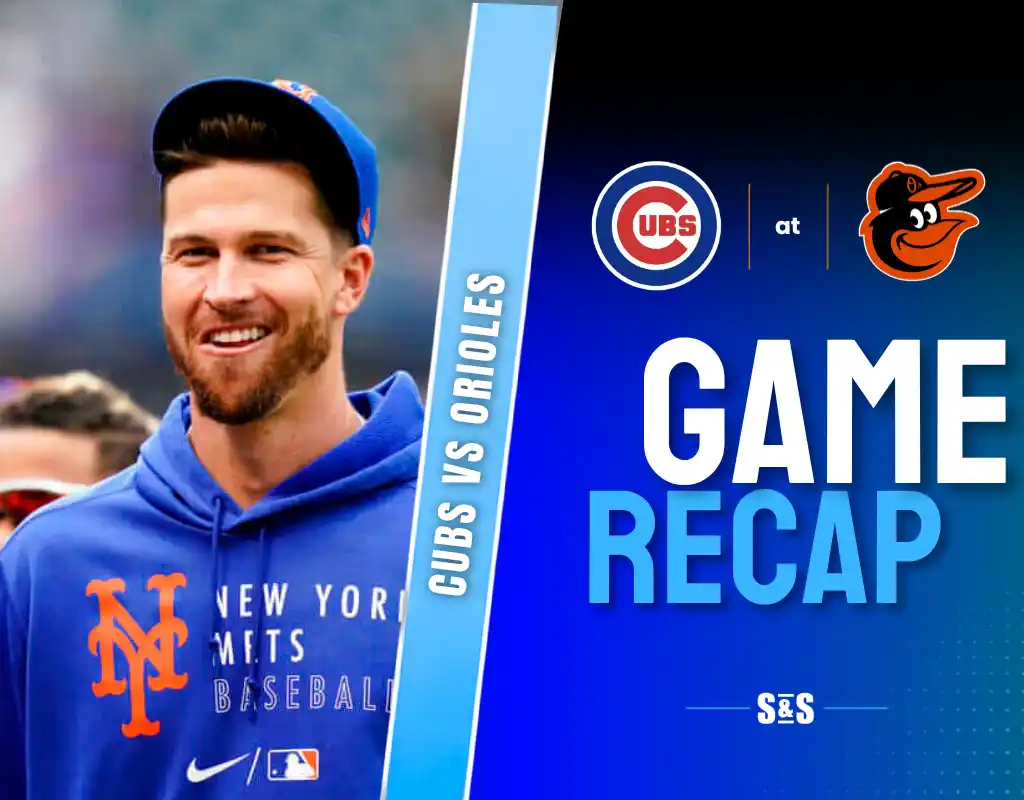

Table of Contents
The Orioles vs Cubs recap turned on one late swing and one very familiar betting lesson: a hot team chasing a sweep still has to finish the game. Baltimore beat Chicago 3-2 at Camden Yards, cashing the Orioles moneyline at a modest favorite price and ending the Cubs’ bid to complete a three-game road sweep.
The original ScoresAndStats preview gave bettors a tricky board. Chicago had won 12 of 15, had already taken the first two games in Baltimore, and was getting lineup production from multiple spots. Baltimore had the better listed price at -130, Trevor Rogers’ improved recent form, and a home spot built around avoiding another ugly series finish. Bettors scanning the MLB preview board had to decide whether the Cubs’ form was worth chasing at plus money or whether Baltimore’s starter edge and urgency still mattered.
Orioles moneyline bettors were rewarded, Cubs underdog backers were punished late, and low-scoring game-script bettors had the cleaner read than anyone expecting another home run show. The biggest betting lesson was not complicated. Chicago had the better recent momentum, but Baltimore had the late bench move, the decisive extra-base hit, and enough ninth-inning defense to make the favorite price hold.











Go Inside the Handicappers’ Playbook
All in one spot. Real-time line moves, sharp reads, and verified edges.
Baltimore Orioles vs Chicago Cubs Game Recap
| Game Detail | Result |
|---|---|
| Final Score | Baltimore Orioles 3, Chicago Cubs 2 |
| Matchup | Chicago Cubs at Baltimore Orioles |
| Ballpark | Camden Yards |
| Starting Pitchers | David Peterson vs Trevor Rogers |
| Key Betting Result | Orioles moneyline cashed as the home favorite |
| Best Market Result | Baltimore moneyline and low-scoring game-script bettors |
This was not the same game shape the first two meetings suggested. The preview leaned into Chicago’s hot offense because the Cubs had scored from everywhere in the order, and Pete Crow-Armstrong had just gone deep twice in a five-homer outburst. That made the Cubs tempting as the plus-money side. It also created a danger for bettors: paying too much attention to the previous box score and not enough attention to the new starting-pitching matchup.
Rogers gave Baltimore exactly the stability the Orioles needed. He did not let Chicago’s recent power surge become another runaway inning. He gave Baltimore six innings of one-run baseball and kept the Cubs from turning their early series control into a sweep-clinching lead before the Orioles had time to adjust. For anyone using market discipline, that was the first sign the Baltimore side still had life despite Chicago’s recent form.
David Peterson also made the Cubs’ underdog case stronger than the final result shows. He entered the game off a rough outing against St. Louis, but he handled Baltimore for much of the afternoon and allowed only one run over five innings. That mattered because the Orioles had struggled against left-handed starters, and the preview specifically identified that issue. Peterson did his part. Chicago’s problem was not the starting-pitcher matchup. It was finishing the final six outs.
The Cubs briefly had the right ticket shape. Seiya Suzuki tied the game with a homer in the sixth, then doubled in the go-ahead run in the eighth. At that point, Chicago moneyline bettors were holding a 2-1 lead, the sweep was in sight, and Baltimore had to solve the late-inning problem that had followed the club through a difficult home stretch.
Then the Orioles created the moment that decided the market. Two hit-by-pitches opened the door in the eighth, and Jeremiah Jackson walked through it with the pinch-hit double that drove in the tying and winning runs. That swing flipped Baltimore moneyline tickets from trouble to profit and turned Cubs backers from smart underdog holders into late-inning losers. That is baseball betting in one plate appearance.
The ninth inning added one more sweat. Chicago had chances, including a controversial stolen-base review that kept the tying run from getting into a better position. But the Orioles held, and the final score stayed 3-2. The game did not need a big offensive number to create a sharp betting lesson. It needed one late execution edge, and Baltimore had it.
Key Stats That Explain the Betting Result
The key betting stat was Jackson’s two-run pinch-hit double in the eighth inning. Nothing else carried more weight. Baltimore trailed 2-1, had not generated much offense against Chicago’s pitching, and needed a late swing to justify the home favorite price. Jackson delivered both the tying run and the winning run with one swing.
Rogers’ six innings of one-run pitching were the second major factor. The preview gave him credit for a strong recent stretch, and he backed it up by limiting a Cubs lineup that had entered the day with real momentum. When a modest home favorite cashes 3-2, the starter’s job is not to dominate the box score. It is to keep the favorite close enough for one late inning to matter.
Peterson’s five innings of one-run work explain why the Cubs were live as the underdog. His performance pushed back against the pregame concern created by his previous start. He also reinforced the Orioles’ left-handed pitching issue. Bettors reviewing postgame betting lessons should not ignore that Chicago’s process had real merit. The Cubs lost because the bullpen and late-game execution failed, not because the underdog angle was nonsense.
The final margin is the other essential number. Baltimore won by one run, which cashed the moneyline but did not support a favorite-margin approach. Chicago plus-run positions had a better relationship to the final score than Chicago moneyline tickets, while Orioles moneyline bettors had the only Baltimore side market that matched the game script cleanly.
Betting Market Results
| Market | Result and Betting Takeaway |
|---|---|
| Orioles Moneyline -130 | Won; Baltimore cashed as the home favorite with a late comeback |
| Cubs Moneyline +110 | Lost; Chicago had the late lead but could not finish the sweep |
| Orioles Margin Positions | Not supported by the one-run final margin |
| Cubs Plus-Run Positions | Supported by the one-run loss despite the failed moneyline |
| Total-Market Read | The 3-2 final favored low-scoring game-script bettors |
The market result rewarded Baltimore, but it did not make the Orioles look like an easy favorite. A -130 home moneyline is a manageable price, and that mattered because the path was thin. Baltimore needed Rogers to keep the game close, Peterson to eventually leave, and one late swing to flip the ticket. The Orioles got all three.
For bettors using sportsbook comparison, this was a number-sensitive favorite spot. Baltimore was not cheap enough to ignore risk, but the price was not so high that a one-run comeback win made the bet look reckless. The correct market was the moneyline. Anything requiring Baltimore to win by margin was asking too much from a game that stayed tight all afternoon.
Chicago’s +110 moneyline was attractive because the Cubs entered with better form and real offensive confidence. The problem was that plus money still required a complete nine-inning result. Chicago had the lead in the eighth and did not hold it. That is the difference between having a good underdog argument and cashing an underdog ticket.
The total-market takeaway should stay general because the exact total was not part of the verified preview data. The 3-2 final was clearly a low-scoring game script, especially compared with Chicago’s recent power surge and Baltimore’s four-homer loss the night before. Bettors studying sportsbook operations context should note how quickly a series narrative can overstate offense when the next starting-pitching matchup changes the tempo.
Game Analysis
This game was about starter stability, late leverage, and not overreacting to the previous night. Chicago had every reason to look appealing. The Cubs had won 12 of 15, had already beaten Baltimore twice in the series, and had received production throughout the order. That is usually the kind of road underdog profile bettors want. The risk was that the market was also reacting to the loudest recent version of Chicago’s offense.
Baltimore’s case was quieter but stronger than it looked. Rogers had given up only three runs across his previous four starts entering the game, and the Orioles needed length from him after another difficult home stretch. He gave them that. By keeping the Cubs to one run through six innings, Rogers prevented Chicago from turning the game into another confidence-driven offensive afternoon.
Peterson nearly gave the Cubs the better story. The left-hander had been roughed up in his previous outing, but Baltimore could not punish him early. That allowed Chicago to move from “hot offense” into “underdog with pitching value,” which is a much better betting profile. The Cubs were not just chasing another slugfest. They had enough run prevention to win a low-scoring game.
The difference came in managerial and bench execution. Baltimore’s pinch-hit decision worked, and Chicago’s late bullpen sequence did not. Jackson’s double was the one swing that separated both teams and both tickets. Bettors tracking daily MLB matchup context should file that under late-game variance, but not randomness. The Orioles had already shown they were willing to use the bench aggressively. This time, the bench won the game.
Chicago’s ninth-inning frustration made the loss sting more, but it does not change the betting result. Close calls, replay anger, and missed chances are part of one-run baseball. The Cubs had enough opportunity to cash the underdog ticket. Baltimore had the one decisive swing that mattered more.
Why Baltimore Cashed for Moneyline Bettors
Baltimore cashed for moneyline bettors because the Orioles combined the two things a modest favorite needs in a tight game: starting-pitcher stability and late conversion. Rogers kept the favorite alive long enough for Baltimore’s offense to find one leverage point. Jackson then turned that leverage point into the final score.
The Orioles did not need to erase every concern from the preview. They still had trouble generating offense for most of the afternoon. Their issues against left-handed pitching did not magically disappear. They were not in full control from the first pitch. But betting a -130 favorite is not always about dominance. Sometimes it is about whether the favorite has enough paths to win a close game.
Baltimore’s path was specific. Rogers had to prevent Chicago from running away. The bullpen had to keep the game close after the Cubs moved ahead. The bench had to produce when manager Craig Albernaz created the chance. That sequence worked. It is not flashy. It is also exactly the kind of game that can cash a moneyline while leaving run-line bettors out of the conversation.
This is where betting process matters. The Orioles were not the right side because they were desperate to avoid a sweep. Desperation does not cash tickets. They were the right side because the price was moderate, the starting-pitcher form was real, and the late-game bench route gave them another way to win.
Why the Cubs Were the Right Sweat but the Wrong Finish
The Cubs were the right sweat because the underdog case had substance. Chicago’s recent form was not fake. The lineup had been producing from the top and bottom. Peterson gave the Cubs five strong innings after a disastrous previous start. Suzuki delivered both power and late run production. For most of the afternoon, Cubs backers had a very live ticket.
The problem was the finish. Chicago led 2-1 in the eighth and still lost 3-2. That is a brutal moneyline result, but it is also the risk built into short underdog prices. At +110, the Cubs were not being paid like a long shot. They had to be more than competitive. They had to finish the game.
From a market-selection standpoint, Cubs plus-run positions had the safer relationship to the matchup. Chicago stayed inside one run, and the game script supported a tight finish. But the moneyline required the bullpen to protect a late lead and the offense to either add insurance or answer in the ninth. Neither happened. Anyone reviewing handicapper evaluation should separate those markets instead of treating all Cubs positions the same.
The future concern is not Chicago’s offense overall. It is the price that may follow a hot stretch. The Cubs are playing well enough to deserve market respect, but once that respect turns into shortened underdog numbers or road favorite prices, bettors need to be more careful. Hot teams can still lose one-run games when late relief and sequencing go wrong.
What the Stats Say for Future Matchups
The repeatable signal from this Orioles vs Cubs recap is Rogers’ stabilizing effect for Baltimore. Six innings of one-run baseball against a hot Cubs lineup gives the Orioles a more credible betting profile when he is priced as a modest favorite or live underdog. Bettors should still account for matchup and walk risk, but Rogers’ recent form is not just a surface-level talking point.
The fragile signal is Baltimore’s offense against left-handed pitching. The Orioles won, but they needed a late pinch-hit double after being quiet for most of the game. That is not the same as solving the larger problem. Future Baltimore bettors should be careful if the market overreacts to the final score and ignores how difficult it was for the Orioles to produce offense before the eighth.
For Chicago, the repeatable signal is lineup depth and competitive road form. The Cubs nearly swept the series, got real starting-pitcher value from Peterson, and stayed within one run even when the offense did not explode. That profile keeps them interesting on the MLB preview board, especially when the market still offers plus money in fair matchups.
The fragile Chicago signal is late-game reliability. The Cubs had the lead and lost it. That does not erase the team’s hot stretch, but it does remind bettors not to price Chicago as if momentum protects every bullpen inning. Future Cubs bets should account for relief usage, ninth-inning options, and whether the matchup requires them to win close.
The clean future betting angle is market selection. Baltimore moneyline matched the final result. Baltimore margin positions did not. Chicago moneyline lost, but Chicago plus-run style positions fit the game better. A broader check of recap archive patterns should reinforce that one-run games are not just about picking the winner. They are about choosing the market that fits the likely script.
For wider board comparison, one look at MLB betting picks can help frame the next slate, but the final handicap still has to come back to price, matchup, and risk. Baltimore 3, Chicago 2 rewarded Orioles moneyline bettors, punished Cubs sweep backers, and showed why late-game execution can beat recent momentum. The Cubs had the form. The Orioles had the final swing.