NFL Previews
  MLB Previews
  NBA Previews
  NHL Previews
  Soccer Previews
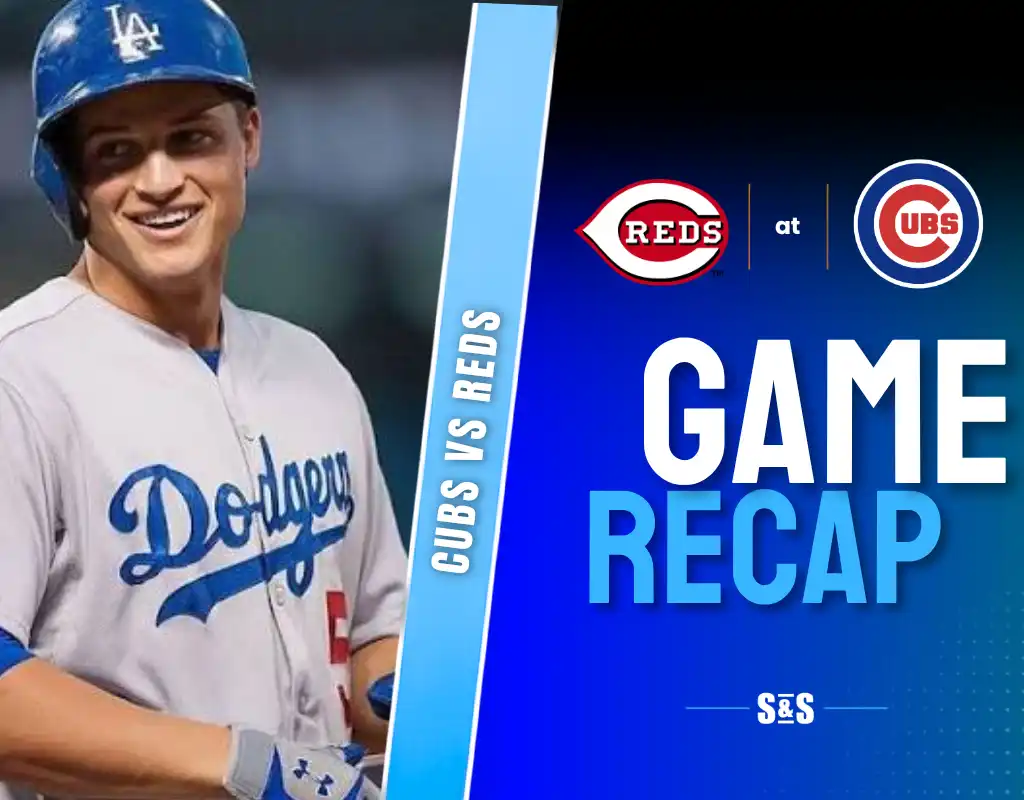

Table of Contents
The Cincinnati Reds vs Chicago Cubs recap starts with a short favorite that could not hold the script. Cincinnati entered the matchup at -112 on the ScoresAndStats preview page, but Chicago rallied for a 5-3 road win after Alex Bregman’s seventh-inning two-run homer flipped the game and punished Reds moneyline bettors.
The original preview leaned into the starting-pitching conversation, with Nick Lodolo’s recent run prevention on one side and Javier Assad’s strong stretch on the other. Cincinnati had the home-field edge, a fresh 4-0 win from the night before, and a lineup finding creative ways to survive injuries. Bettors using the broader MLB preview board had to decide whether the Reds’ small moneyline edge was strong enough against a Cubs team still carrying late-inning power and defensive stability.
The answer was no. Chicago moneyline bettors were rewarded, Cincinnati backers were punished by late relief damage, and the biggest betting lesson from this Cincinnati Reds vs Chicago Cubs recap is direct: a small favorite can be the right early read and still lose the ticket if the bullpen inning turns into a power inning.












Go Inside the Handicappers’ Playbook
All in one spot. Real-time line moves, sharp reads, and verified edges.
Cincinnati Reds vs Chicago Cubs Game Recap
| Game Detail | Result |
|---|---|
| Final Score | Chicago Cubs 5, Cincinnati Reds 3 |
| Venue | Great American Ball Park, Cincinnati |
| Listed Moneyline | Cincinnati -112, Chicago +102 |
| Starting Pitchers | Nick Lodolo vs Javier Assad |
| Decisive Swing | Alex Bregman two-run homer in the seventh inning |
| Key Betting Result | Chicago moneyline cashed; Cincinnati moneyline failed |
Cincinnati had the early game state that small home favorites want. The Reds entered off a 4-0 win in which Hunter Greene had overwhelmed the Cubs, and the preview highlighted Lodolo’s recent improvement. Lodolo had allowed only one run over his previous 15 innings, and that gave Cincinnati a reasonable pregame case at -112. The number was not expensive, but it still required the Reds to convert early momentum into a full-game result.
The Reds did create the first meaningful separation. Back-to-back home runs in the fourth inning gave Cincinnati a 2-0 lead and put Chicago into a chase script. At that moment, Reds moneyline bettors had the shape they wanted: the home side ahead, Lodolo involved in a lower-scoring starter battle, and the Cubs still trying to answer after being shut out the night before.
Chicago’s response changed the market slowly, then suddenly. Carson Kelly’s homer helped the Cubs tie the game in the sixth, and Ian Happ’s double scored Michael Busch to give Chicago its first lead. Cincinnati briefly answered when Drew Pomeranz surrendered the lead back, but the Cubs did not let that bullpen wobble become the final story.
Bregman’s seventh-inning homer became the leverage swing. His two-run shot turned a tied or fragile game into a Cubs lead that the Reds could not erase. That was the difference between Cincinnati’s early moneyline case and Chicago’s final payout. The Cubs had the late power, and Cincinnati’s relief plan did not protect the starter-side foundation long enough.
The original matchup preview was right to focus on Lodolo and Assad because both starters had enough recent form to keep the game competitive. But the final score came down to the bullpen and the late swing, which is where the Cubs held the better finishing edge.
Key Stats That Explain the Betting Result
The most important betting stat was Chicago’s late power. Bregman’s seventh-inning two-run homer decided the game, but it did not stand alone. Kelly’s homer helped pull the Cubs back, and the lineup eventually turned Cincinnati’s early 2-0 lead into a failed favorite ticket. A team that can stay close and then cash one late swing has real underdog value at +102.
The second key stat was Cincinnati’s inability to protect the fourth-inning lead. Back-to-back home runs should have pushed the Reds into a stronger market position. Instead, Cincinnati did not add enough offense and did not get the late relief execution required to hold the game. In a short-moneyline spot, that is the danger. The favorite does not need to dominate, but it cannot give away the leverage innings.
Assad’s outing also shaped the result. He allowed the back-to-back homers, but he kept the Cubs from being buried early. That mattered because Chicago’s offense needed time. The Cubs did not have to win the first four innings. They had to stay close enough for their better late-game swing to matter.
Lodolo’s pregame form was a real reason Cincinnati had market support. The preview noted how well he had been controlling damage in recent outings. But a starter angle only carries so far when the final innings become the deciding point. Reds bettors needed the whole pitching chain, not just a starter case.
The final margin also matters. Chicago won by two, which means Cubs moneyline backers had the clean result and Cubs run-line backers did not need the extra cushion. Cincinnati plus-run-line style protection would not have helped if tied to the wrong side, and Reds moneyline bettors were left with the hard truth: the early lead was not enough.
For bettors reviewing this through the recap archive, the sharper takeaway is not simply “Cubs comeback.” It is that Chicago’s path remained live because the Cubs did not let the early Reds power become a runaway. That is what made the seventh inning matter.
Betting Market Results
| Market | Betting Takeaway |
|---|---|
| Cincinnati Moneyline -112 | Lost after the Reds failed to protect their early lead |
| Chicago Moneyline +102 | Cashed as the Cubs turned late power into a road comeback |
| Cincinnati Run Line | Failed because the Reds lost outright |
| Chicago Run Line | Cashed easily because Chicago won outright by two runs |
| Total Result | Seven combined runs created a moderate scoring result; exact total grading depends on the posted number |
The moneyline result was the cleanest betting story. Cincinnati -112 had the early lead and the starter-form case, but Chicago +102 had the better finish. When the underdog is priced near even money and owns the late swing, the gap between “reasonable favorite” and “wrong side” can be one inning.
The total result should be handled carefully because the public preview page did not show a verified total in the extracted listing. Seven combined runs leaned toward a controlled scoring environment, but without a verified posted number from the preview page, the better public recap language is to describe the final as moderate scoring rather than claim a specific Over or Under result. Bettors comparing MLB markets through sportsbook comparison should always check the actual listed number before grading the ticket.
Game Analysis: Why Chicago Beat the Small Favorite Price
Chicago beat the small favorite price because the Cubs stayed within reach until the lineup found the right swing. That is the entire underdog formula in a matchup close to pick’em. The Cubs did not have to dominate Cincinnati from first pitch. They had to avoid another shutout-style collapse and make the Reds bullpen handle pressure.
The previous night’s 4-0 Reds win made Cincinnati feel like the cleaner side. Hunter Greene had carved through Chicago, the Cubs had struck out 16 times, and Cincinnati’s lineup looked more dangerous after out-hitting Chicago 13-4. That was real context. It also created a potential market trap if bettors assumed the same offensive gap would carry into Saturday.
Assad prevented that. Even after the fourth-inning home runs, he kept Chicago in a manageable game. That gave the Cubs a runway for Kelly, Happ, and Bregman to reshape the scoreboard. A road underdog that trails by two but still has time and power is not dead. It is waiting for the market’s stress point.
Bregman supplied that stress point in the seventh. His two-run homer did not just give the Cubs the lead. It exposed Cincinnati’s inability to turn a starter-backed advantage into a bullpen-backed win. In betting terms, that is a full-game failure even if the first half looked solid.
For readers using handicapper evaluation, this recap is a good reminder to ask whether a handicap covers all nine innings. Cincinnati had a starter case. Chicago had a comeback case. The comeback case won.
Why Cincinnati Failed Moneyline Bettors
Cincinnati failed moneyline bettors because the Reds did not add on after taking the lead. A 2-0 advantage is helpful, but against a lineup with Chicago’s late power, it is not enough to stop playing offense. The Reds needed another run or two before the bullpen phase. They did not get it.
The fourth-inning back-to-back homers gave Cincinnati the market leverage. That should have allowed the Reds to pitch more aggressively, pressure Assad deeper, and force the Cubs to chase from a less comfortable position. Instead, Chicago tied the game in the sixth and changed the tone before Cincinnati could turn the lead into control.
The bullpen sequence was the true failure point. Once Bregman came up in the seventh with a chance to change the game, the Reds needed execution more than reputation. They did not get it. His two-run homer became the swing that punished Cincinnati bettors and turned the earlier lead into a footnote.
This does not mean the Reds were a bad pregame read. The number was small, Lodolo’s recent form was encouraging, and the team had momentum after Friday. But a bettor using market discipline has to separate a decent pregame case from a completed ticket. The Reds had the case. The Cubs cashed the game.
Why the Cubs’ Late Power Was the Better Future Signal
The strongest Cubs signal from this game was not that they scored five runs. It was how they scored them. The Cubs answered a 2-0 deficit with home-run damage, timely extra-base contact, and a late swing from Bregman in the highest-leverage inning. That is a repeatable path for a team that does not need to string five singles together to change a game.
That matters because Chicago had looked flat the previous night. One shutout can make a lineup look broken, especially when strikeouts pile up the way they did against Greene. Saturday showed a different profile. The Cubs still had enough veteran power and enough middle-order response to punish a bullpen mistake.
The fragile signal is bullpen stability. Chicago briefly gave the lead back, and that should not be ignored. A comeback win can hide relief risk if bettors only look at the final score. The Cubs closed the game well enough, but the path included stress.
For Cincinnati, the future signal is more mixed. Lodolo’s pregame trend still matters, and the Reds’ lineup did show power. But the club’s injury adjustments and defensive shuffling mean bettors should be careful assuming every early lead becomes a full-game win. The MLB matchup context needs to include bullpen form, not just starting-pitcher form.
What the Stats Say for Future Matchups
The biggest repeatable Chicago signal is late-inning power. Kelly and Bregman changed the game with home runs, while Happ’s double gave the Cubs another run-creation route. That gives Chicago value in near-pick’em spots where the opponent’s bullpen is vulnerable or where the Cubs can stay close through the starter phase.
The fragile Chicago signal is the assumption that every comeback path will hold. The Cubs still had to recover after Cincinnati’s back-to-back homers and after briefly losing control in relief. Bettors should not blindly chase Chicago after one comeback, but they should respect the lineup’s ability to flip a game if the price stays near even money.
For Cincinnati, the repeatable positive is early power and starter upside. Lodolo’s recent form and the Reds’ fourth-inning damage both matter. The fragile signal is full-game finish. Cincinnati could look like the right side for half the game and still lose because the bullpen inning went wrong.
The most relevant future betting angle is to price the entire pitching chain. Cincinnati can be playable when Lodolo or another starter gives the Reds a strong first-five profile, but full-game moneylines require confidence in the late innings. Chicago can be valuable as a short underdog when the Cubs have enough starter stability to keep their power bats relevant. Before the next card, compare the current number through the MLB preview board, keep the betting framework focused on late leverage, and remember what this Cincinnati Reds vs Chicago Cubs recap showed: Cincinnati had the early lead, but Chicago had the inning that paid. For one outside board comparison, bettors can also check SportsHub MLB coverage, but the core lesson stays the same: starter form opened the handicap, and Bregman’s seventh-inning swing closed it.