NFL Previews
  MLB Previews
  NBA Previews
  NHL Previews
  Soccer Previews
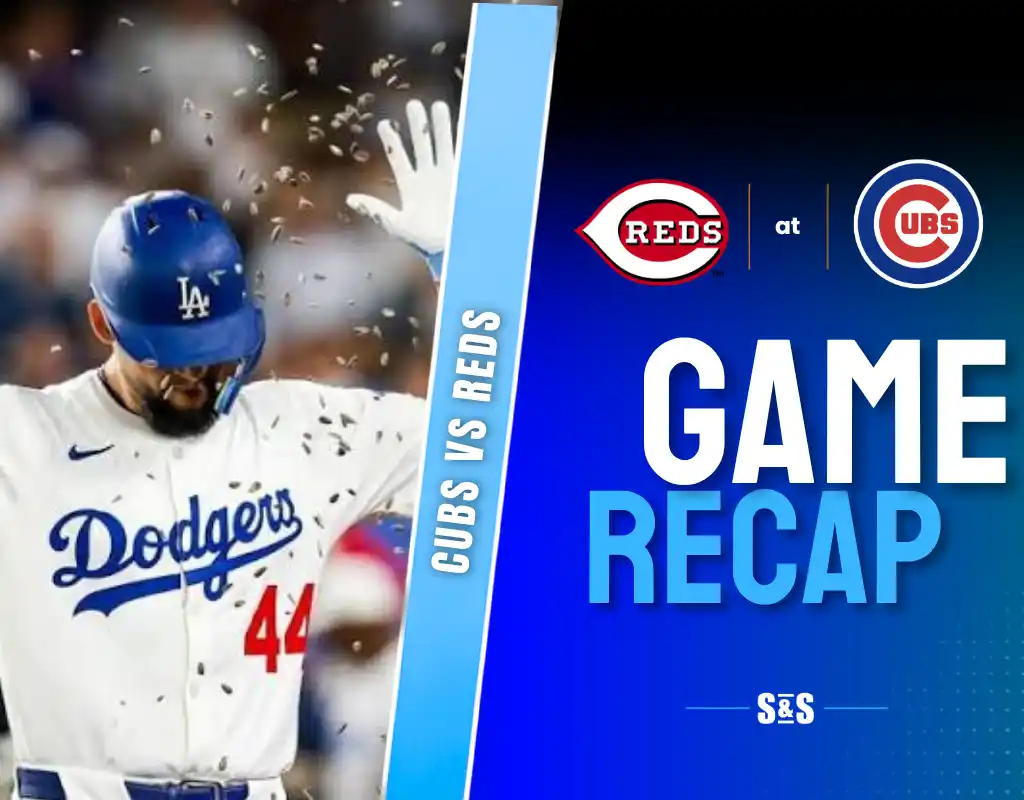

Table of Contents
The Chicago Cubs vs Cincinnati Reds recap starts with the preview’s preferred side getting paid and the total flipping away from the safer secondary angle. Chicago beat Cincinnati 8-4 on Sunday at Great American Ball Park, rewarding Cubs moneyline backers and also clearing the run line after Alex Bregman’s seventh-inning swing broke the game open.
The original ScoresAndStats preview listed Chicago at -126, Cincinnati at +110, the Cubs -1.5 at +128, the Reds +1.5 at -143, and a total of 9.5. The best bet was Chicago Cubs moneyline -126, built around Matthew Boyd, Chicago’s stronger record, the starter-to-bullpen bridge, and the idea that the Cubs had the cleaner path to the decisive innings before the All-Star break.
That side read proved correct, but the game script was not as low-scoring as the alternative under angle needed. Cincinnati briefly flipped momentum with Eugenio Suárez’s two-run homer, but Chicago kept answering, then used Bregman’s three-run homer in the seventh to separate. For bettors, this was a reminder that a good betting process can identify the right side while still missing the total when one late inning turns the run environment loose.












Go Inside the Handicappers’ Playbook
All in one spot. Real-time line moves, sharp reads, and verified edges.
Chicago Cubs vs Cincinnati Reds Game Recap
| Game Detail | Result |
|---|---|
| Final Score | Chicago Cubs 8, Cincinnati Reds 4 |
| League | Major League Baseball |
| Ballpark | Great American Ball Park |
| Key Performer | Alex Bregman: 3-for-5, four RBIs, three-run homer |
| Decisive Inning | Chicago’s four-run seventh inning |
| Key Betting Result | Cubs moneyline and run line cashed; over 9.5 cashed |
This game gave Cubs bettors the right result, but not in a straight line. Chicago opened with early offense, using a two-run first inning to put Cincinnati into a quick chase. That start mattered because the preview’s Chicago moneyline argument depended on the Cubs being the steadier side, not necessarily the explosive side. A road favorite around -126 has to avoid giving the home underdog an immediate scoreboard advantage. Chicago handled that part early.
Cincinnati did not fold. Suárez’s two-run homer in the third briefly flipped the game, turning a 2-0 Cubs lead into a 4-2 Reds advantage and giving Cincinnati +110 backers a real window. That was the moment where the moneyline ticket stopped looking routine. It also showed why the preview treated this as a modest edge rather than a runaway spot. Great American Ball Park can change a game quickly, and one swing from the home lineup did exactly that.
The Cubs responded in the fourth, which was the first important sign that the preferred side still had the better full-game structure. Chicago did not let Cincinnati hold the momentum for long. The road lineup kept applying pressure, forced the game back toward the middle innings, and made the Reds defend a tie rather than protect a lead.
The seventh inning settled the market. Chicago’s four-run frame, highlighted by Bregman’s three-run homer, turned a tight game into a clear Cubs result. That swing was the difference between a moneyline sweat and a run line winner. Before that inning, Cubs -1.5 at +128 still needed a clean break. After Bregman’s homer, the margin finally matched the stronger side.
Boyd gave the Cubs a useful start, working into the seventh inning and keeping Chicago close enough for the lineup to take over. He was not perfect, and Suárez made sure the Reds had a real scoring moment, but Boyd gave the Cubs the length they needed before the bullpen finished the job. Gavin Hollowell, Caleb Thielbar, and Jacob Webb preserved the lead down the stretch, which was the exact bridge the preview wanted Chicago to own.
This game belongs in the MLB preview board archive as a good example of why moneyline favorites can still be the cleanest lane. The Cubs had the better record, the better full-game structure, and the better late swing. The run line cashed, but the moneyline was the more disciplined pregame bet.
Key Stats That Explain the Betting Result
The most important betting stat was Bregman’s four-RBI game. His three-run homer in the seventh did not just pad the box score. It changed the ticket. Chicago moneyline bettors moved from a competitive late game to a more comfortable position, while Cubs run line backers finally got the separation they needed.
The second key number was the final combined score of 12 against a total of 9.5. The over cashed because the game had multiple scoring waves: Chicago’s early two-run first, Cincinnati’s third-inning answer, and the Cubs’ four-run seventh. The preview’s under 9.5 alternative needed efficient pitching and a cleaner middle-inning script. Instead, the game produced enough traffic and power to push past the number.
Suárez’s two-run homer was the key Cincinnati stat. It gave Reds backers a real chance and briefly made the home underdog look live. But the problem was what came after it. Cincinnati did not build enough late offense to keep pace once Chicago answered. A home underdog can win with one power swing only if the pitching staff protects the lead or the lineup keeps adding pressure.
Boyd’s length was also important. He worked 6.1 innings, giving Chicago enough starter coverage to avoid turning the game into a full bullpen scramble. In a series finale before the All-Star break, that kind of length matters. Anyone reviewing this matchup through a postgame betting review should mark the starter bridge as one of the reasons Chicago’s moneyline stayed playable even after Cincinnati grabbed the lead.
Betting Market Results
| Market | Result and Betting Takeaway |
|---|---|
| Chicago Moneyline -126 | Won; the preview’s best bet cashed after Chicago controlled the decisive innings |
| Cincinnati Moneyline +110 | Lost; the Reds briefly led but could not protect the game late |
| Chicago -1.5 (+128) | Won; the four-run final margin cashed the plus-money run line |
| Cincinnati +1.5 (-143) | Lost; the underdog cushion disappeared after Chicago’s seventh-inning rally |
| Total 9.5 | Over; the 8-4 final cleared the listed total by 2.5 runs |
The Chicago moneyline was the clean pregame position because it matched the expected edge without demanding a margin. The final score made the run line look easy, but the middle innings were not comfortable enough to pretend that Cubs -1.5 was the safer read. It paid better because it required a bigger ask.
The Reds +1.5 position looked useful when Cincinnati took the lead, but expensive underdog run lines only work if the game stays close. Once Chicago’s seventh inning hit, that protection disappeared. That is why sportsbook comparison matters, but it does not change the core baseball lesson: the side with the better late-inning pressure made the cushion irrelevant.
The total was the main miss from the preview’s alternative betting angle. Under 9.5 had a case before first pitch because Boyd and Andrew Abbott created a starter-based argument for a competitive middle-innings game. The actual script included too many scoring turns and one decisive power swing too many. Over bettors were rewarded because the game never settled into the controlled pitching shape the under needed.
Game Analysis
The pregame case for Chicago was grounded in full-game structure. The Cubs entered with the better record, a road lineup capable of creating traffic, and a starter in Boyd who could keep the game from becoming a bullpen-only contest too early. The price was not cheap enough to ignore risk, but it was reasonable enough to support the moneyline.
Cincinnati’s counterargument showed up in the third inning. Suárez’s homer briefly gave the Reds the kind of underdog script bettors want: home power, a lead, and pressure on the road favorite to answer. That swing also exposed the danger of assuming a modest favorite will cruise. Chicago still had to play the middle innings cleanly.
The Cubs did answer, and that is what separated the teams. They did not panic after falling behind. They tied the game, kept pressure on Cincinnati’s pitching, and then finally got the big swing from Bregman. That sequence matters because MLB moneyline favorites often win not by avoiding stress entirely, but by having more ways to respond when the game bends.
Cincinnati’s failure was late containment. The Reds had a chance to turn Suárez’s homer into the defining moment of the afternoon, but their pitching staff could not protect the advantage and could not keep the seventh inning from expanding. Once Chicago created the four-run frame, the Reds were forced into a comeback script they did not have enough offense to complete.
From a handicapper evaluation standpoint, the preview’s best-bet logic was validated. The Cubs were the better full-game side. The under angle was not. That distinction matters because a recap should not flatten every market into one win-or-loss grade. Chicago was right; under 9.5 was not.
Why Chicago Cashed the Best-Bet Ticket
Chicago cashed the best-bet ticket because the Cubs owned the final meaningful swing. The early offense helped, but Bregman’s homer in the seventh gave the bet its real shape. A 4-4 or 5-4 game is a sweat. An 8-4 finish is a statement from the side that had the stronger full-game path.
Bregman’s production mattered because it gave Chicago the exact offensive separator the preview said could decide the matchup. In tightly priced games, one extra-base hit with runners aboard often carries more weight than a full-game stat sheet. The Cubs had the hitter who delivered it.
Boyd also deserves credit because he kept the Cubs within reach even when Cincinnati flipped the lead. That is the starter’s job in a road favorite spot. He does not need to throw a shutout. He needs to prevent the game from becoming too expensive for the lineup to repair. Boyd did that.
For future Cubs games, bettors should respect this profile but avoid blindly paying a postgame premium. Chicago’s lineup depth and late power are real, but the next price still has to be playable. Use market discipline, check the starter length, and decide whether the moneyline still offers a better lane than the run line.
Why Cincinnati’s Lead Did Not Protect Underdog Tickets
Cincinnati’s lead did not protect underdog tickets because the Reds did not stack enough offense behind Suárez’s homer. One swing can change the scoreboard, but it rarely protects a full-game bet by itself. The Reds needed follow-up pressure. They did not create enough of it.
The +1.5 market was especially painful because the Reds were positioned well for part of the game. A home underdog with a lead and a one-run cushion is usually in a good spot. But the seventh inning erased that math quickly. Chicago’s rally turned a protected ticket into a dead one because the Reds could not stop traffic before Bregman’s swing.
The moneyline failure was more straightforward. Cincinnati had the lead and lost by four. That is not bad luck. That is a late-game pitching and run-prevention problem. The Reds’ home field gave them the final at-bat, but that advantage meant less once the deficit expanded beyond one swing.
Before backing Cincinnati in a similar role, bettors should use broader MLB matchup context to check bullpen freshness and late-inning matchup strength. The Reds can be dangerous when their power shows up, but power without relief stability is not enough to protect a full-game ticket.
Why the Over Beat the Under Angle
The over beat the under angle because the game created too many scoring waves. Under 9.5 needed Boyd and Abbott to keep the early and middle innings clean enough that late bullpen work would not push the score past the number. Instead, both teams found meaningful offense, and Chicago’s seventh inning put the total over the edge.
The key total swing was not just Bregman’s homer. It was the full structure of the game: Chicago scored early, Cincinnati answered with power, the Cubs responded, and then the seventh inning created separation. That is the type of multi-phase scoring script that makes even a reasonable under look wrong by the end.
The ballpark also matters. Great American Ball Park can punish mistakes, and this game had enough extra-base damage to prevent the total from staying quiet. That does not mean every Reds home total should be bet over. It means under bettors need cleaner pitching command and fewer traffic innings than they got here.
For future totals, the better lesson is to compare starter quality with bullpen risk through recap archive context. If the starter matchup supports an under but the bullpen bridge is exposed, the number can still be vulnerable. This game showed that clearly.
What the Stats Say for Future Matchups
The repeatable signal for Chicago is lineup response. The Cubs fell behind and still won by four because the offense kept producing pressure after the early innings. Bregman’s four-RBI day was the headline, but the broader takeaway is that Chicago can recover from a midgame deficit when the starter keeps the game close enough.
The fragile signal is the run line comfort. Cubs -1.5 cashed by a wide margin, but the game was not always comfortable. Bettors should not treat the 8-4 final as proof that Chicago should automatically be played on the run line in every modest favorite role. The moneyline was the cleaner pregame position because it matched the edge without requiring a late explosion.
For Cincinnati, the repeatable signal is home power. Suárez showed how quickly the Reds can change a game with one swing. The fragile signal is lead protection. A brief lead does not mean much if the bullpen cannot keep the game inside the preferred script. That makes Cincinnati a more complicated underdog than the midgame scoreboard suggested.
The future betting angle is to price the full game, not the loudest inning. Chicago -126 cashed because the Cubs had the better late-game structure, Cubs -1.5 cashed because Bregman supplied separation, and over 9.5 cashed because the game produced multiple scoring turns. Bettors comparing the next Cubs or Reds number should use price comparison, check bullpen availability, and avoid assuming a starter-based under is safe without late-inning support. For an outside MLB board check, MLB betting board context can help confirm whether the next price has adjusted too far.
The Chicago Cubs vs Cincinnati Reds recap ends with a clear betting lesson: the preview’s Cubs moneyline was the right side, but the game had too much offense for the under angle. Chicago’s 8-4 win rewarded moneyline and run line backers, punished Cincinnati tickets, and sent the total over 9.5 because the Cubs had the better answer after the Reds briefly grabbed momentum. Before the next ticket, run the matchup through market infrastructure, starter length, bullpen trust, and late-inning power. The Cubs did not need a perfect game. They needed the decisive swing, and Bregman delivered it.