NFL Previews
  MLB Previews
  NBA Previews
  NHL Previews
  Soccer Previews
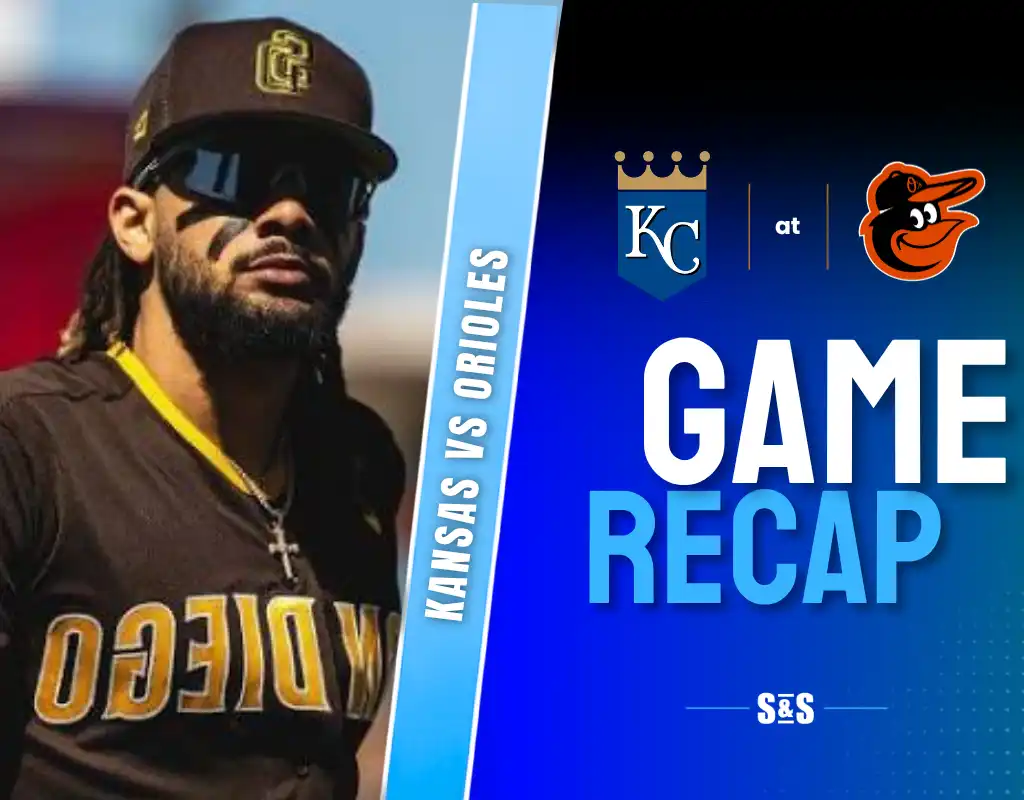

Table of Contents
The Baltimore Orioles vs Kansas City Royals recap starts with a favorite result that finally looked as clean as the pregame number suggested. Baltimore beat Kansas City 6-1 at Camden Yards, cashing the Orioles moneyline at -149 and turning Kyle Bradish’s starter edge into the dominant betting storyline.
The original ScoresAndStats preview listed Baltimore at -149 and Kansas City at +136, with Bradish facing Royals left-hander Noah Cameron. The page framed the matchup around Baltimore trying to build momentum after Friday’s 5-3 win, while Kansas City hoped Cameron could carry over a better outing from earlier in the week. Bettors using the broader MLB preview board had to decide whether the Orioles deserved the favorite tag at home.
The answer was yes. Baltimore moneyline bettors were rewarded, Royals underdog backers were punished, and the game’s biggest betting lesson was straightforward: when the favorite gets starter dominance and four home runs, the price does not need late-inning luck to cash.












Go Inside the Handicappers’ Playbook
All in one spot. Real-time line moves, sharp reads, and verified edges.
Baltimore Orioles vs Kansas City Royals Game Recap
| Game Detail | Result |
|---|---|
| Final Score | Baltimore Orioles 6, Kansas City Royals 1 |
| Venue | Camden Yards, Baltimore |
| Listed Moneyline | Baltimore -149, Kansas City +136 |
| Starting Pitchers | Kyle Bradish vs Noah Cameron |
| Key Baltimore Pitcher | Bradish carried a no-hit bid into the seventh inning |
| Key Betting Result | Baltimore moneyline cashed; Kansas City moneyline failed |
Baltimore took the cleanest possible route for a home favorite. Bradish controlled the Royals lineup from the first inning, and the Orioles offense backed him with power instead of forcing the game into a one-run grind. That mattered because the -149 price was not cheap enough to tolerate a sloppy favorite script. Baltimore needed the better starter and a real run cushion. It got both.
The game’s tone was set by Bradish. Kansas City could not build traffic through the first six innings, and the Royals did not break through until Jac Caglianone ended the no-hit bid in the seventh. By then, Baltimore had already built enough margin to make the Royals’ lone run feel like a box-score detail rather than a comeback threat.
Noah Cameron’s outing was more complicated than the final score suggests. He struck out nine over seven innings, which is a real positive for Kansas City. But the Orioles punished his mistakes with three home runs, and that is why the underdog ticket never found traction. Strikeouts help, but hard contact with men aboard or in key innings can undo a good-looking line fast.
Baltimore’s power carried the side market. Pete Alonso, Coby Mayo, Taylor Ward, and Gunnar Henderson all homered, giving the Orioles four long balls and turning Bradish’s outing into a comfortable win instead of a narrow pitching duel. Samuel Basallo also delivered the club’s key hit with a runner in scoring position, giving Baltimore another run-creation path beyond the solo-power profile.
The original matchup preview emphasized Baltimore’s momentum after Friday’s win and Kansas City’s need for Cameron to steady the series. Cameron missed enough bats to keep the game interesting on paper, but Bradish gave Baltimore the true market edge by taking away Kansas City’s offense almost completely.
Key Stats That Explain the Betting Result
The most important betting stat was Bradish allowing one run over 6.2 innings while carrying a no-hit bid into the seventh. That is the kind of start a favorite price needs. Baltimore did not have to cover for early pitching stress, did not have to overuse its bullpen, and did not have to chase the game offensively. Bradish gave the Orioles the game state.
The second key stat was Baltimore’s four home runs. Power is the quickest way to validate a favorite. The Orioles did not need a long chain of singles, bunts, and defensive mistakes. They turned mistakes into immediate runs, and that created separation against a Royals lineup that was not producing enough to answer.
Cameron’s nine strikeouts were the most interesting losing-side stat. He set a positive marker in one category while still giving up the damaging contact that decided the game. That is a useful betting reminder. Strikeout upside does not automatically mean a pitcher is protecting an underdog ticket if the hard contact is leaving the yard.
Kansas City’s lone offensive breakthrough came too late. Caglianone’s seventh-inning single ended the no-hit chase and later turned into the Royals’ only run on a Salvador Perez sacrifice fly. That sequence avoided a shutout, but it did not change the betting result. The Royals needed traffic much earlier to challenge the favorite.
The low-scoring Royals side also supported Baltimore run prevention as the main story. With Kansas City held to one run, Baltimore did not need to keep pressing offensively into the late innings. Bettors reviewing the game through the recap archive should see the favorite cash as a combination of starter dominance and power efficiency, not simply a team-record result.
For a disciplined betting process, this game also shows why the matchup’s strongest assumption mattered. Baltimore was priced as the better side because Bradish had the stronger profile, and the game confirmed it. When the best assumption holds and the offense adds margin, the favorite becomes much easier to trust.
Betting Market Results
| Market | Betting Takeaway |
|---|---|
| Baltimore Moneyline -149 | Cashed as the home favorite behind Bradish and four home runs |
| Kansas City Moneyline +136 | Lost because the Royals did not create early offensive pressure |
| Baltimore Run Line | Covered because the Orioles won by five runs |
| Kansas City Run Line | Failed because Baltimore’s power created too much margin |
| Total Market | Seven combined runs created a controlled scoring result; exact total grading was not verified from the preview page |
The moneyline result was straightforward. Baltimore -149 cashed because the Orioles controlled the starter matchup and the scoreboard. Kansas City +136 never had enough offensive life to make the underdog price dangerous.
The run-line result was more aggressive but also successful for Baltimore backers because the Orioles won by five. That margin came from power, not constant rally pressure. Bettors comparing MLB markets through sportsbook comparison should remember that a favorite run line is much more attractive when the lineup has multiple home-run paths and the opposing offense is unlikely to answer quickly.
Game Analysis: Why Baltimore Justified the Favorite Price
Baltimore justified the favorite price because the Orioles won the two areas that mattered most: starting pitching and instant offense. Bradish did not merely keep Kansas City quiet. He removed the Royals from the game’s leverage spots for most of the night. That allowed Baltimore to score in bursts without ever feeling like the offense had to chase.
That is a different kind of favorite result than a late comeback or one-run survival ticket. This was not a game where the Orioles needed the ninth inning to rescue a bad handicap. They were the better side early, middle, and late because Kansas City never forced a sustained rally.
The four home runs also changed how Cameron’s outing should be evaluated. From a pure pitcher-development standpoint, nine strikeouts over seven innings can look respectable. From a betting standpoint, the home runs were fatal. The Royals needed Cameron to keep the ball in the park and give the lineup time. Instead, Baltimore turned the mistakes into scoreboard separation.
Bradish’s near no-hitter also protected the bullpen plan. The Orioles used Grant Wolfram, Yennier Cano, and Tyler Wells to finish the game after Bradish exited, but those were not panic outs. They were controlled relief innings with a lead. That is the bullpen situation bettors want when laying a home favorite price.
For handicapper evaluation, this is a cleaner favorite win than several other July 11 results. The price was not tiny, but the Orioles delivered a game script that supported it. Starter edge, power edge, and late-game control all lined up.
Why Kansas City Failed Underdog Bettors
Kansas City failed underdog bettors because the Royals did not make Bradish work early. A plus-money road side needs pressure. It needs baserunners, long innings, or at least a run that forces the favorite to answer. The Royals did not get any of that through six innings.
Cameron’s strikeout total gave Kansas City one positive, but it did not translate into a live moneyline because Baltimore’s damage was too efficient. When the underdog starter misses bats and still gives up multiple homers, the ticket is caught in the worst middle ground: not enough contact suppression, not enough offensive support.
Kansas City’s first hit arrived too late to matter. Ending a no-hit bid in the seventh can change the mood in a tight game. In this one, it only changed the historical drama. The Royals scored once, but the deficit and game flow were already against them.
That is why Kansas City’s run-line backers were also in trouble. The Orioles did not win by two or three. They won by five, which erased the usual underdog-cushion argument. A bettor using market discipline should take the warning forward: plus-money or plus-run-line value still needs a real offensive path. Kansas City did not show one here.
Why Baltimore’s Power Changed the Run-Line Conversation
Baltimore’s power changed the run-line conversation because it gave the Orioles a margin route beyond Bradish’s pitching. A favorite can win a 3-1 game and still fail to cover. Baltimore made that less of a concern by turning Cameron’s mistakes into homers from Alonso, Mayo, Ward, and Henderson.
That matters because the Orioles were not relying on one hitter. Four different home-run swings spread the damage across the lineup and made Kansas City’s pitching staff defend every pocket of the order. That kind of depth is what turns a moneyline opinion into a run-line opportunity.
The power also prevented Kansas City from hanging around emotionally. If the Royals had trailed 2-1 entering the eighth, the seventh-inning breakthrough would have mattered more. Instead, Baltimore’s long-ball cushion made the lone Royals run feel cosmetic.
Future bettors should still be careful. Home-run-heavy wins can be fragile if the market overreacts and pushes the next price too high. But the MLB matchup context was strong here because Bradish’s run prevention meant Baltimore did not need five or six separate rallies to cover.
What the Stats Say for Future Matchups
The biggest repeatable Baltimore signal is starter-backed power. Bradish gave the Orioles 6.2 innings of one-run baseball, and the lineup added four homers. That is a strong betting profile when Baltimore is favored at home against a lineup that struggles to create traffic.
The fragile Baltimore signal is the home-run count. Four homers in one game should never be treated as automatic going forward. The better future angle is to ask whether the Orioles have the platoon and power matchup to punish a specific starter, not whether they simply hit four the previous night.
For Kansas City, the repeatable concern is offensive pressure. The Royals did not create enough baserunners early, and one seventh-inning hit was not enough to challenge Baltimore. That makes Kansas City difficult to trust as a road underdog unless the opposing starter has clearer command or matchup concerns.
The fragile Kansas City signal is Cameron’s final perception. He struck out nine, and that gives him some future upside. But bettors need to pair that strikeout ability with contact quality. If the whiffs come with home-run damage, the underdog case remains unstable.
The best future betting angle is market type. Baltimore can be playable on the moneyline when Bradish or another stable starter gives the Orioles a first-half edge, and the run line becomes more interesting when the matchup gives Baltimore multiple power lanes. Kansas City needs a cleaner offensive setup before its plus-money price becomes attractive. Before the next card, compare the number through the MLB preview board, keep the betting framework focused on starter control plus power support, and remember what this Baltimore Orioles vs Kansas City Royals recap showed: the Orioles did not just win the game, they controlled the bet. For one outside board comparison, bettors can also check SportsHub MLB coverage, but the lesson stays the same: Bradish gave Baltimore the floor, and four home runs gave the favorite the margin.