NFL Previews
  MLB Previews
  NBA Previews
  NHL Previews
  Soccer Previews
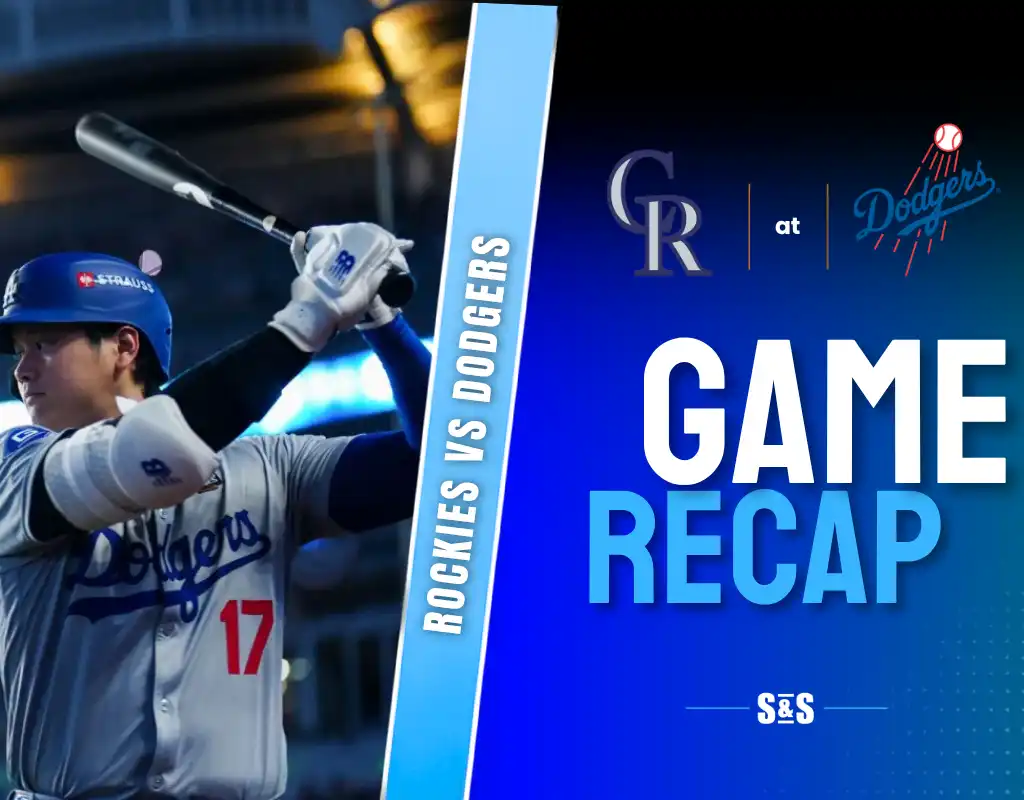

Table of Contents
The Rockies vs Dodgers recap ended exactly where the preview said the betting value lived: not on Colorado winning outright, but on Colorado staying inside the number. Los Angeles won 4-3 at Dodger Stadium, while Rockies +1.5 bettors were rewarded in a game that followed the tight-margin script almost perfectly.
The pregame expectation was straightforward. The Dodgers were the better team and the deserved favorite, but the price was heavy with Roki Sasaki carrying volatility into the start. The ScoresAndStats preview pointed readers toward Colorado +1.5 at even money or better, and that run-line position survived because the Rockies competed, created scoring chances, and forced Los Angeles to win the game late.
The biggest betting lesson was price discipline. Dodgers moneyline tickets won, but they came attached to a steep pregame cost. Colorado run-line backers got the better betting result because the market asked Los Angeles to be more comfortable than the game actually became. That is the kind of difference bettors should track when comparing the broader MLB preview board instead of reacting only to the final winner.













Go Inside the Handicappers’ Playbook
All in one spot. Real-time line moves, sharp reads, and verified edges.
Colorado Rockies vs Los Angeles Dodgers Game Recap
| Game Detail | Result |
|---|---|
| Final Score | Los Angeles Dodgers 4, Colorado Rockies 3 |
| Game Date | July 8, 2026 |
| Ballpark | Dodger Stadium |
| Winning Pitcher | Edgardo Henriquez |
| Losing Pitcher | Antonio Senzatela |
| Save | Tanner Scott |
| Key Betting Result | Colorado +1.5 cashed in a one-run Dodgers win |
The first inning looked like the nightmare version of the Colorado run-line ticket. Gabriel Hughes, making his first major league start, battled command immediately. Tommy Edman singled, Freddie Freeman doubled, Mookie Betts walked, and the Dodgers turned the inning into a 3-0 lead with help from a wild pitch and a Kyle Tucker two-run single.
That opening could have broken the handicap. It did not. Hughes settled in and gave Colorado exactly what the run-line bet needed after the early damage: length, strikeouts, and a chance to keep the game from becoming a Dodgers runaway. He retired 15 straight hitters after the rough first inning, finished six innings, and struck out seven. That matters because the preview’s best-bet angle was never built on Colorado being the better team. It was built on the Dodgers being overpriced to win comfortably.
The Rockies answered quickly against Sasaki. Kyle Karros hit a solo home run in the second inning, and Edouard Julien followed with another solo shot later in the frame. Colorado then tied the game in the third when Brett Sullivan scored on Mickey Moniak’s sacrifice fly. Suddenly, the 3-0 Dodgers lead had become a 3-3 game, and the pregame warning about Sasaki’s home-run problem had shown up on the field.
From there, the game became a run-prevention test. Sasaki recovered well, retiring his final nine batters and finishing six innings with five strikeouts. Hughes matched him with a quality start, turning what looked like a short outing into a credible road performance. Bettors who used the betting process instead of the team logo could see the point: Los Angeles was likely to win, but the margin was never safe enough to justify a casual run-line favorite approach.
The decisive moment came in the eighth. Colorado had runners on second and third with nobody out and failed to score. Los Angeles then took advantage in the bottom half. Edman and Freeman singled, Betts worked a long at-bat, and his RBI single put the Dodgers ahead 4-3. Tanner Scott closed the ninth, giving Los Angeles the win and giving Colorado +1.5 backers the cover.
Key Stats That Explain the Betting Result
The stat that explains the betting result best is Colorado’s 0-for-7 mark with runners in scoring position. The Rockies did enough to cover the run line, but not enough to win outright. That is exactly the line between a smart +1.5 ticket and a riskier moneyline swing.
Colorado had two major chances to flip the game. The first came in the fourth inning, when the Rockies put two runners in scoring position with nobody out and came away empty. The second came in the eighth, with the game tied and two more runners in scoring position with nobody out. Again, no run. That is why Colorado covered but did not cash the upset.
The Dodgers were not dominant offensively. They had seven hits and went 2-for-7 with runners in scoring position. That was enough because Los Angeles converted the first inning and the eighth inning, while Colorado missed its two cleanest leverage spots. In baseball betting, timing can matter more than volume. The Dodgers did not need a huge offensive night. They needed the right hit after Colorado blinked.
Hughes’ final line also explains why the preview’s Colorado +1.5 position was live even after a bad start. Six innings, three earned runs, seven strikeouts, and two walks against that lineup was a strong recovery. The Dodgers punished him early, but they did not bury him. For bettors studying recap archive lessons, that is the difference between early trouble and a broken ticket.
Sasaki’s line was similar in shape but different in risk. He allowed three runs on four hits across six innings, with five strikeouts and one walk. The two solo home runs mattered because they validated the preview’s concern about laying a heavy Dodgers price with a starter who had been giving up hard contact. Sasaki was good enough to keep Los Angeles in position to win, but not clean enough to make Dodgers -1.5 feel comfortable.
Betting Market Results
| Market | Betting Takeaway |
|---|---|
| Dodgers Moneyline | Won, but the heavy pregame price made it less attractive from a value standpoint |
| Rockies Moneyline | Lost, as Colorado competed but failed to convert late scoring chances |
| Rockies +1.5 | Won, matching the preview’s best-bet angle at even money or better |
| Dodgers -1.5 | Lost, as Los Angeles won by only one run |
| Total 10 | Under won, with the 4-3 final landing at seven total runs |
The cleanest grade is Colorado +1.5. The preview identified it as the better way to attack the market if bettors could get even money or better, and the final score landed exactly inside that window. The Rockies did not need to win the game. They needed Sasaki’s volatility, Colorado’s recent offense, and the series’ tight-game profile to keep the margin close. All three showed up.
The Dodgers moneyline was the awkward winner. It cashed, but it also confirmed why the preview did not want to pay a -230 or higher price. Los Angeles needed an eighth-inning rally to win by one. A ticket can win and still be a poor pregame value. That is not a contradiction. That is the market doing what the market does. Bettors comparing prices through a sportsbook comparison lens should remember that a winning favorite does not automatically prove the favorite was worth the cost.
The total also rewarded a disciplined approach. The preview noted that under 10 had some logic but came with starter uncertainty on both sides. The final score stayed under because both starters recovered after early trouble and both bullpens avoided a full collapse. For anyone checking broader MLB betting perspective, this was a useful reminder that high totals at Dodger Stadium still need sustained traffic, not just early fireworks.
Game Analysis
This game was a classic difference between side and price. The Dodgers were correctly favored. The Rockies were correctly identified as the better value at +1.5. Both things can be true. Los Angeles had the better lineup, the home field, and the better full-season profile. Colorado had the number.
The market forced bettors to decide whether they wanted the most likely winner or the best betting position. That is where the preview got the game right. A heavy Dodgers moneyline required Los Angeles to win at a very high rate to justify the price. A Colorado +1.5 ticket required the Rockies to stay competitive against a starter with a shaky recent home-run profile. That was the more reasonable ask.
Sasaki’s outing captured the whole handicap. He did not implode, and that matters. He got through six innings, struck out five, and finished strong. But the two home runs showed why the Dodgers run line was risky. When a favorite’s starter is giving up solo damage, the favorite can still win the game while failing to create enough separation for -1.5 backers.
Hughes gave Colorado exactly the kind of underdog start that keeps a run-line ticket alive. The first inning was ugly, but the response was impressive. He attacked the zone, missed bats, and stopped the Dodgers from turning a 3-0 lead into a five- or six-run early gap. That made the rest of the game playable for Colorado bettors.
The late innings then separated moneyline bettors from run-line bettors. Colorado had the eighth-inning chance to make the upset happen, but the Dodgers bullpen escaped. Los Angeles then did what expensive favorites are supposed to do: find the one run needed to survive. The problem for Dodgers run-line backers was that one run was all they found. Bettors using handicapper evaluation should focus on that distinction. Picking the winner is one skill. Pricing the margin is another.
Why Rockies +1.5 Was the Right Betting Read
Colorado +1.5 was the right read because the preview did not need to pretend the Rockies were better. That is the beauty of a properly priced run-line underdog. The handicap accepted Los Angeles as the likely winner while rejecting the idea that the Dodgers should be treated as a comfortable margin team in this specific pitching setup.
The reasons were all visible before the game. Sasaki had strikeout upside but also command and home-run concerns. The Rockies had played the first two games of the series tightly. Colorado’s offense had shown enough recent life to make a one-run or two-run game realistic. None of that guaranteed a cover. It did make the +1.5 a better value path than asking Hughes to win outright in his first start.
The game itself validated that structure. Colorado trailed 3-0, tied it 3-3, stranded chances, and lost 4-3. That is a perfect run-line underdog profile: competitive enough to punish the inflated favorite spread, not quite clean enough to win. The Rockies’ inability to hit with runners in scoring position is exactly why the moneyline lost. Their ability to keep generating pressure is exactly why +1.5 won.
This is where market discipline matters. Bettors who saw “Dodgers at home” and stopped there paid for the obvious team. Bettors who separated winner from margin got the sharper result. The favorite won the game. The underdog won the number.
Why the Dodgers Moneyline Still Raised Betting Questions
Dodgers moneyline bettors cashed, so there is no need to dress this up as a failure. But the result still raised the exact price questions the preview flagged. Los Angeles was laying a heavy number and needed an eighth-inning RBI single from Betts to avoid extra innings. That is a lot of sweat attached to an expensive favorite.
The Dodgers did many things well. They jumped Hughes early, recovered after Colorado tied the game, escaped trouble in the eighth, and produced the winning hit when the leverage was highest. That is how good teams survive. It is also why Los Angeles remains dangerous in moneyline markets when the price is reasonable.
The issue is not the Dodgers. The issue is the tax. A market around -230 to -250 leaves very little room for a one-run grind, starter volatility, or bullpen stress. When a favorite at that price wins 4-3, the ticket cashes but the handicap still deserves inspection. The result says Los Angeles was better. It does not say every Dodgers pregame price was playable.
For future betting, that distinction should matter. The Dodgers can be the right winner and still be the wrong number. Bettors checking the next MLB matchup context should ask whether the market is pricing current pitching form or simply charging for the Dodgers logo.
What the Stats Say for Future Matchups
The repeatable signal from this Rockies vs Dodgers recap is Colorado’s competitiveness as a run-line underdog when the starting matchup gives the Rockies a path to six usable innings. Hughes’ first inning showed risk, but his recovery showed enough swing-and-miss and strike-zone confidence to make Colorado more interesting when the market offers a fair +1.5 number.
The fragile signal is Colorado’s offensive execution. The Rockies hit two solo home runs and tied the game, but going 0-for-7 with runners in scoring position is not a small footnote. That is the difference between covering and winning. Bettors should be careful with Colorado moneyline prices unless the matchup offers a cleaner offensive edge or a weaker opposing bullpen.
For Los Angeles, the repeatable signal is late-game quality. The Dodgers turned a tied game into a win because Edman, Freeman, and Betts built the eighth-inning rally with professional at-bats. That is still a team bettors can respect. The fragile signal is Sasaki’s margin profile. He got through six innings, but the home runs kept Colorado inside the number and made the run line difficult to trust.
The best future angle is to keep separating winner from wager. Los Angeles moneyline positions can make sense when the number is not inflated. Dodgers -1.5 needs cleaner starting-pitcher form or a better plus price. Colorado +1.5 remains playable when the Rockies have enough offense and the opposing favorite is being taxed too heavily. That is the lesson bettors should carry into the next board through a broader betting framework.
Dodgers 4, Rockies 3 was a winning result for Los Angeles, but the sharper betting result belonged to Colorado +1.5 backers. The preview did not need the upset. It needed the game to stay tight, and that is exactly what happened. The team name won the scoreboard. The number won the bet.