NFL Previews
  MLB Previews
  NBA Previews
  NHL Previews
  Soccer Previews
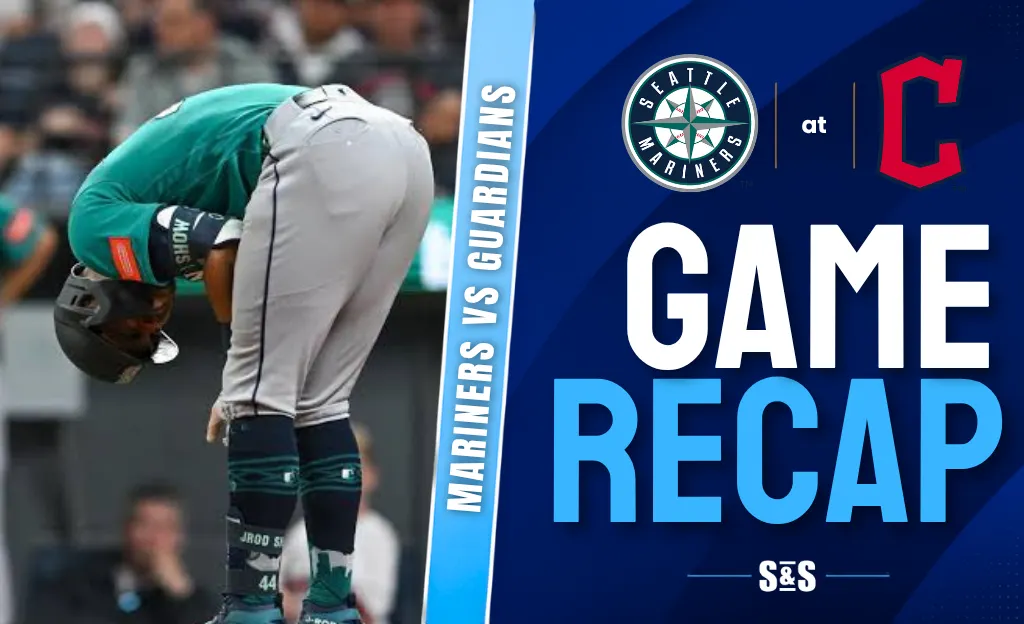

Table of Contents
Seattle Mariners vs Cleveland Guardians ended 4-3 for Cleveland, and the betting lesson was about late-inning control. Seattle had enough offense to stay in the game, but Cleveland found the extra push and protected the margin in a one-run result.
The pregame expectation was built around a close matchup, with bettors needing to weigh Seattle’s pitching profile against Cleveland’s home-field and contact-oriented offense. Anyone checking the MLB scores and odds board had to treat this as a price-sensitive game rather than a spot where one side clearly towered over the other.
Guardians moneyline bettors were rewarded because Cleveland handled the leverage innings better. Mariners backers had a live ticket for most of the night, but the final 4-3 score showed why tight-game execution and bullpen trust matter when comparing MLB picks.

Find value on the diamond.
Check our MLB picks.
Mariners vs Guardians Game Recap
| Game Detail | Result |
|---|---|
| Final Score | Cleveland Guardians 4, Seattle Mariners 3 |
| Venue | Progressive Field |
| Key Betting Result | Cleveland moneyline bettors were rewarded |
| Best Market Result | Guardians side and tight-game script |
| Margin | Cleveland won by one run |
| Betting Lesson | Late-game execution decided the ticket |
This was the kind of game where neither side created enough separation to make the betting result comfortable. Seattle did enough offensively to keep pressure on Cleveland, but the Mariners could not build the crooked inning that would have flipped the full-game moneyline.
Cleveland’s edge came from turning a close game into a controlled finish. In baseball betting, that matters because a one-run result is rarely about one isolated stat. It is usually about which team executes cleaner with runners on, which bullpen limits the damage, and which lineup finds one more scoring moment.
The decisive phase came late, when Cleveland had to preserve the lead and Seattle had to manufacture the tying run. The Guardians did enough to keep Seattle from turning pressure into a comeback, and that was the difference between a home moneyline cash and a frustrating Mariners loss.
For bettors, the result mattered because the final score was close enough to punish anyone who stretched the handicap too far. Cleveland was the right side on the moneyline, but the one-run margin made run-line positions more dependent on the exact number and price. That is why reviewing MLB previews alongside market type matters so much.
Key Stats That Explain the Betting Result
| Stat | Betting Impact |
|---|---|
| Cleveland 4, Seattle 3 | Guardians moneyline bettors cashed in a one-run game |
| One-run margin | Run-line positions were price sensitive |
| Seattle 3 runs | Mariners stayed competitive but did not create enough separation |
| Cleveland 4 runs | Guardians generated just enough offense to win |
| Late-game control | Cleveland protected the final betting result |
The most important betting stat was the one-run margin. Cleveland did not overwhelm Seattle. The Guardians simply did enough to win the exact type of game that moneyline bettors accept and run-line bettors fear.
Seattle scoring three runs kept the Mariners inside the game script, but it did not create a winning path. In low-margin MLB betting, a team can be competitive and still be the wrong side if it cannot finish one more inning or convert one more runner.
Cleveland’s four runs were enough because the pitching and defense protected them. Bettors reviewing game results should read this as a narrow-side result, not a dominant offensive performance.












Betting Market Results
| Market | Betting Takeaway |
|---|---|
| Cleveland Moneyline | Won, with the Guardians protecting a one-run result |
| Seattle Moneyline | Lost, despite staying within striking distance |
| Run Line | Price dependent because Cleveland won by one |
| Total | Seven combined runs created a moderate scoring result |
| Live Betting | Seattle remained live, but Cleveland closed the door |
Cleveland moneyline bettors had the cleanest winning ticket. The Guardians did not need a blowout; they needed to win the game, and they did. That is the difference between side betting and margin betting.
Seattle moneyline bettors were punished by the final step. The Mariners did enough to make the game uncomfortable, but not enough to change the winner. Bettors using the expert betting guide should treat this as a reminder that close games demand a different risk tolerance.
The total should be described carefully. Seven combined runs created a moderate scoring result, but exact over or under grading depends on the posted number. Without a verified total, the right public language is that this was not a runaway scoring game.
Why Cleveland Cashed for Moneyline Bettors
Cleveland cashed because the Guardians were the better late-game side. That may sound simple, but in a one-run baseball game, it is everything. A moneyline bettor does not need style points. The ticket only needs the final out with the lead intact.
The Guardians’ value came from staying within their offensive identity and not letting Seattle’s pressure become a full comeback. That is why this result fits Cleveland’s profile as a team bettors can consider when the price is reasonable at home.
For future MLB picks, the repeatable signal is Cleveland’s ability to win lower-margin games when the bullpen and defense hold. That does not mean every Guardians one-run spot is automatic, but it does mean the market should respect their ability to survive tight scripts.
The moneyline was the safer Cleveland market because the final margin was only one. Bettors who needed Cleveland to win by multiple runs were asking for a different kind of game than the one that unfolded.
Why Seattle Came Up Short
Seattle came up short because the Mariners could not turn a competitive performance into the decisive inning. That is often the problem with road underdog or coin-flip tickets. The team stays close, creates pressure, and still leaves bettors one swing short.
The Mariners’ three runs gave them a chance, but Cleveland’s pitching staff kept the damage from snowballing. In MLB betting, isolated scoring is not enough if the opponent keeps answering and controls the late innings.
Bettors reading future MLB previews should not overreact against Seattle. A one-run road loss does not mean the handicap was hopeless. It means the margin was thin and Cleveland won the leverage moments.
That makes Seattle a team to evaluate carefully by price. The Mariners may be playable when the pitching matchup supports them, but this game showed why they need either cleaner run production or a stronger bullpen edge in tight spots.
Get today’s MLB picks.
Follow top handicappers now
Why the Tight-Game Script Made Sense
The tight-game script made sense because both clubs had enough pitching and enough offensive resistance to keep the matchup from breaking open. Cleveland scored four. Seattle scored three. That is not a random final; it is a classic close-game profile.
Games like this matter for bettors because they punish casual thinking. A bettor cannot simply say the better team will win by margin. The market type matters. Moneyline, run line, total, and live positions all carry different risk.
Bettors shopping future prices through sportsbook reviews should remember this matchup when comparing one-run teams. The difference between a good side and a good bet often comes down to whether the price matches the likely margin.
What the Stats Say for Future Matchups
Cleveland’s 4-3 win over Seattle suggests the Guardians remain useful in home moneyline spots when the matchup points toward a lower-margin game. The repeatable signal is late-game control, not explosive offense.
The fragile signal is margin. Cleveland won by one, so bettors should be careful about laying aggressive run-line prices unless the pitching matchup strongly supports separation.
For Seattle, the future angle is conversion. The Mariners stayed close, but they need more timely offense to turn competitive road games into wins. Bettors should compare MLB scores and odds with ScoresAndStats MLB picks before deciding whether Seattle’s price compensates for that one-run risk.