NFL Previews
  MLB Previews
  NBA Previews
  NHL Previews
  Soccer Previews
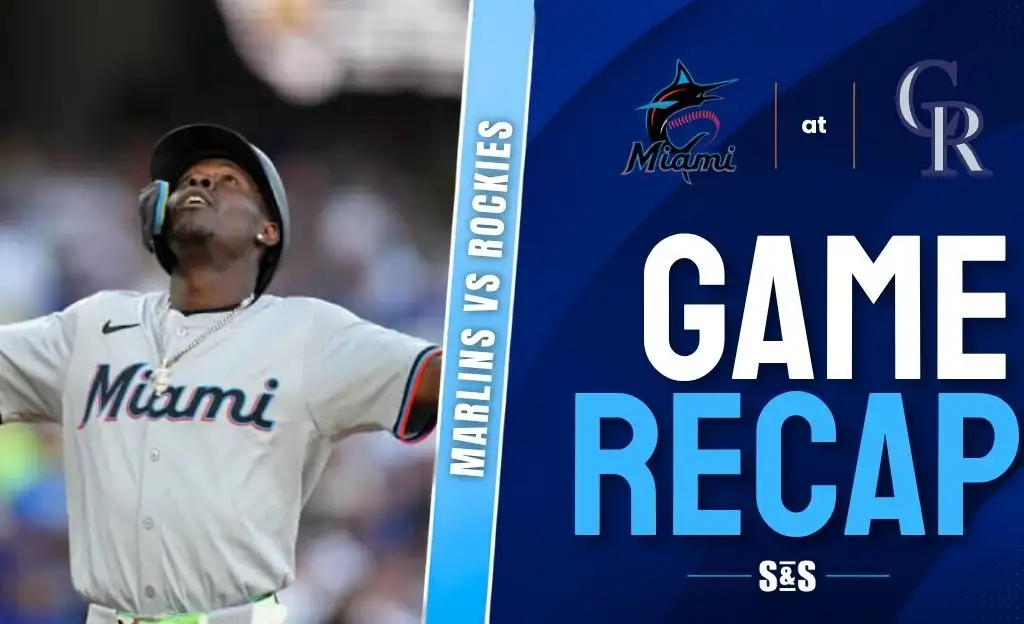

Table of Contents

Bet MLB with confidence.
See top handicappers.
Miami Marlins vs Colorado Rockies recap starts with the result that mattered most to the betting board: Rockies 14, Marlins 4. The preview asked whether Miami could justify laying a road price at Coors Field and warned that the ballpark should not do the entire handicap. Anyone tracking the board through MLB scores and odds had to adjust quickly once the live script moved away from the cleanest pregame assumption.
Colorado moneyline bettors were rewarded in a blowout, and the 18-run final supported high-scoring Coors Field positions without needing a narrow sweat. The result is exactly why the best bettors treat a preview as a starting point, then compare the final script against the wider game results page before carrying that lesson into the next card.
The biggest takeaway from this game was not just who won. It was how the ticket changed once colorado scored seven runs in the sixth inning, turning a 5-4 game into a runaway and removing the late-game leverage miami needed. That makes this a useful recap for readers moving from MLB previews to the next betting decision.
Miami Marlins vs Colorado Rockies Game Recap
| Game Detail | Result |
|---|---|
| Final Score | Rockies 14, Marlins 4 |
| Venue | Coors Field |
| Winner | Colorado Rockies |
| Key Betting Result | Colorado moneyline bettors were rewarded in a blowout, and the 18-run final supported high-scoring Coors Field positions without needing a narrow sweat. |
| Original Preview Angle | The preview asked whether Miami could justify laying a road price at Coors Field and warned that the ballpark should not do the entire handicap. |
The Miami Marlins vs Colorado Rockies game recap starts with a baseball truth that can get lost before first pitch: the price only matters if the game follows the route the market expects. Colorado Rockies did not need a perfect box score. It needed the innings that created leverage, and it found them.
Colorado scored seven runs in the sixth inning, turning a 5-4 game into a runaway and removing the late-game leverage Miami needed. That one stretch changed the way moneyline, run line and total bettors had to read the afternoon. The final score was not a cosmetic difference from the preview. It was a different baseball game than the one many pregame tickets were built around.
The box score also matters because it explains why this result was not random noise. Hits, errors, bullpen lanes and scoring distribution showed which side handled the middle and late innings better. That is the kind of detail readers should carry back to the MLB scores and odds board before pricing the next series.
For bettors, the lesson is measured. One game should not erase a season profile, but it can expose the fragile part of a pregame assumption. When a market leans on a starter, a favorite price or a total built from recent scoring form, the inning-by-inning path still has to cooperate.
Key Stats That Explain the Betting Result
| MLB Stat | Verified Result |
|---|---|
| Runs | Colorado 14, Miami 4 |
| Hits | Colorado 14, Miami 7 |
| Errors | Both teams 0 |
| Winning Pitcher | Bernardino |
| Losing Pitcher | Janson Junk |
The key stats in this Miami Marlins vs Colorado Rockies recap point to a simple baseball read: Colorado Rockies won the run column because it created the innings that mattered most. Hits alone do not always explain a ticket, but here they help show whether the winning side applied repeated pressure or merely cashed in on one mistake.
The verified pitching decision also matters for the market. The winning pitcher and losing pitcher are not just record-keeping details. They show where the game moved away from the preview path, especially when a bullpen inning or starter command issue changed the price after first pitch.
Betting Market Results
| Betting Market | Verified Takeaway |
|---|---|
| Moneyline | Colorado won outright as the home side |
| Run Line | Colorado covered any standard +1.5 and -1.5 result by margin |
| Total | The 18 combined runs rewarded over-style positions |
| Best Betting Lesson | Road pricing at Coors needs bullpen and big-inning risk built in |
The betting market results give this Miami Marlins vs Colorado Rockies recap its real edge. Colorado moneyline bettors were rewarded in a blowout, and the 18-run final supported high-scoring Coors Field positions without needing a narrow sweat. That is a more useful lesson than simply saying the winner was right or wrong, because baseball markets split across moneyline, run line and total in very different ways.
The moneyline result tells bettors who owned the final score. The run line explains whether the margin matched the risk. The total shows whether the run environment matched the pregame theory. Keeping those markets separate is how bettors avoid turning one correct read into three assumed wins.
The Sixth Inning Changed the Entire Coors Field Ticket
The Sixth Inning Changed the Entire Coors Field Ticket is the part of the recap that should stick. The preview gave bettors a logical framework, but the field answered with a sharper lesson. Colorado scored seven runs in the sixth inning, turning a 5-4 game into a runaway and removing the late-game leverage Miami needed. Once that happened, the original market read had to be judged against the actual inning structure.
Baseball is especially unforgiving for bettors who stop at the pregame headline. A starting pitcher can look like the correct anchor, a bullpen can look stable on paper, and a favorite can still lose the leverage inning. That is why the stronger approach is to treat every recap as a check on process.
The next practical step is price comparison, not overreaction. Bettors can use MLB picks as a fresh starting point, but this result says the matchup context still needs to be tested against pace, venue, form and late news.












For broader education, the expert betting guide is the right place to slow down concepts like implied probability, market discipline and why a winning team does not always equal a winning number.
This is also a reminder to compare sportsbook menu shape through sportsbook reviews and to keep any handicapper opinion in context with handicappers sites reviews rather than treating one result as a permanent team label.
The ScoresAndStats blog gives bettors another place to track larger market themes, but the cleanest lesson still comes from this specific final score and the way it challenged the preview angle.
Marlins Road Price Collapsed Once Traffic Started
Marlins Road Price Collapsed Once Traffic Started gives bettors the second layer. Miami Marlins did not simply lose a line on a spreadsheet; it lost the part of the game that decided which pregame assumption deserved trust.
The next time either team appears on the board, bettors should ask whether this result revealed a repeatable trait or a one-game swing. Repeatable traits include plate discipline, bullpen depth, starter command and lineup pressure. Fragile signals include one late rally, one defensive mistake or one unusually hot cluster of hits.
What the Stats Say for Future Matchups
The future angle from this Miami Marlins vs Colorado Rockies recap is to separate the result from the route. Colorado Rockies created a profitable result because the game moved through the areas that fit its final score, while Miami Marlins left bettors with a warning about trusting the pregame shape too heavily.
The repeatable signal is the side that owned traffic and run creation. The fragile signal is any assumption that the next matchup will carry the same scoring pattern just because this one did. Bettors should compare the next starters, bullpen availability and current number through MLB previews before carrying this result forward.
The most relevant future betting angle is discipline around market type. Moneyline, run line and total bettors all watched a different version of the same game. The smart next move is to identify which part of this result is likely to travel and which part was just one July 2 script.