NFL Previews
  MLB Previews
  NBA Previews
  NHL Previews
  Soccer Previews
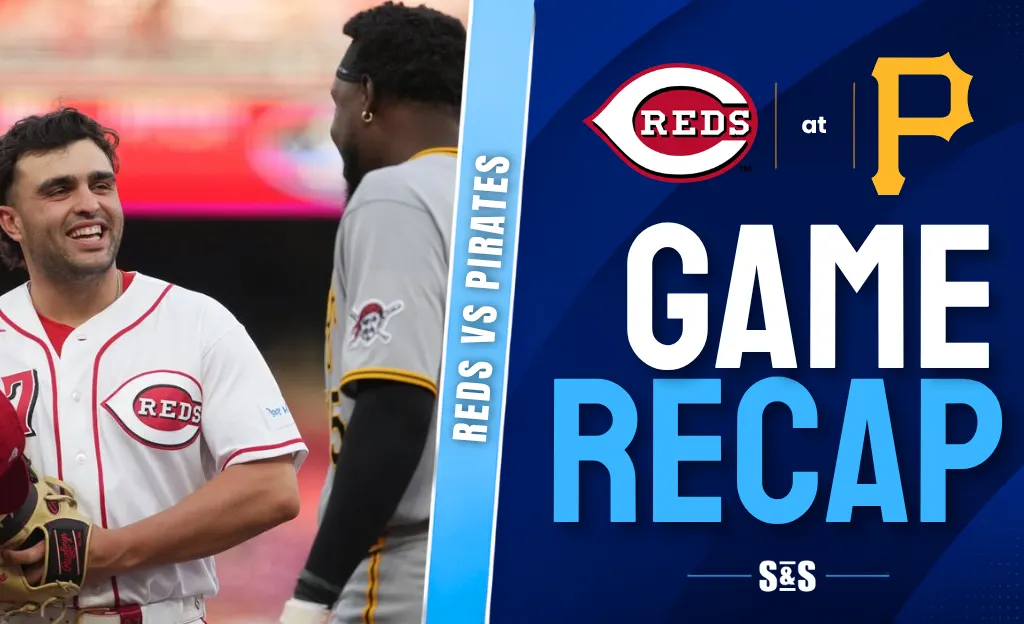

Table of Contents
Cincinnati Reds vs Pittsburgh Pirates ended 9-7 for Cincinnati, and the betting lesson was about never treating a late lead as safe when bullpen command and power bats are still in play. Pittsburgh led 7-6 in the ninth, but Eugenio Suarez turned the game with one swing.
The pregame expectation leaned toward Cincinnati because Chase Burns gave the Reds a real starting-pitching edge, and the ScoresAndStats preview framed the Reds as a playable road favorite. Bettors checking the MLB scores and odds board had to decide whether Burns’ edge was enough to overcome the volatility of a divisional road game.
Reds moneyline bettors were rewarded, but they had to survive a wild route. Burns struck out 10, Pittsburgh rallied in the middle innings, Esmerlyn Valdez put the Pirates ahead, and Suarez answered with a two-out, three-run homer in the ninth. For anyone comparing MLB picks, this was a reminder that the right side can still be a brutal sweat.

Find value on the diamond.
Check our MLB picks.
Reds vs Pirates Game Recap
| Game Detail | Result |
|---|---|
| Final Score | Cincinnati Reds 9, Pittsburgh Pirates 7 |
| Venue | PNC Park |
| Key Cincinnati Moment | Eugenio Suarez hit a go-ahead three-run homer in the ninth |
| Starting Pitching Note | Chase Burns struck out 10 |
| Key Betting Result | Reds moneyline bettors were rewarded |
| Best Market Result | Cincinnati side and high-scoring game script |
Cincinnati had the starter profile bettors wanted. Burns struck out 10 and gave the Reds swing-and-miss upside, but the game did not stay clean. Pittsburgh kept answering, and by the late innings, the matchup had shifted from starter edge to bullpen survival.
The Pirates grabbed a 7-6 lead in the eighth on Valdez’s solo homer, putting Reds backers in a difficult spot. That was the exact moment where a road favorite ticket felt like it had slipped away despite the original handicap making sense.
Then came the ninth. With two outs, Suarez hit a go-ahead three-run homer off Gregory Soto, flipping the Reds from a one-run deficit to a two-run lead. That was the market-changing swing.
The result mattered because it validated Cincinnati’s side while exposing how dangerous the path was. The preview’s Reds moneyline angle got there, but not because the game followed a simple favorite script. It got there because Cincinnati’s power survived the final out. Bettors using MLB previews should respect both parts of that truth.
Key Stats That Explain the Betting Result
| Stat | Betting Impact |
|---|---|
| Cincinnati 9, Pittsburgh 7 | Reds moneyline bettors cashed after a ninth-inning comeback |
| Chase Burns: 10 strikeouts | Cincinnati’s starter gave the Reds the expected swing-and-miss edge |
| Burns: 5 runs, 9 hits allowed | Starter dominance was not clean enough to prevent volatility |
| Eugenio Suarez three-run homer | Decided the game and flipped late tickets |
| Pittsburgh 7 runs | Pirates made larger Reds positions risky |
The most important betting stat was Suarez’s ninth-inning homer, but Burns’ outing explains why the handicap was complicated. Ten strikeouts showed the upside. Five runs allowed showed the risk. Both mattered.
Cincinnati bettors who backed the moneyline were ultimately right, but anyone expecting an easy road favorite win had the wrong game script. Pittsburgh scored seven and led in the ninth, which made run line positions much more sensitive.
For bettors reviewing game results, this should be filed as a late power rescue. The Reds were the right side by final score, but the game exposed how thin the margin was.











Betting Market Results
| Market | Betting Takeaway |
|---|---|
| Cincinnati Moneyline | Won, after Suarez’s ninth-inning homer flipped the game |
| Pittsburgh Moneyline | Lost, despite leading 7-6 in the ninth |
| Run Line | Price dependent, because Cincinnati won by two and exact lines must be verified |
| Total | The 16 combined runs created a high-scoring result |
| First Five Innings | Burns’ strikeouts helped Cincinnati’s starter case, but run prevention was not clean |
Cincinnati moneyline bettors were rewarded, but this was not a calm ticket. The Reds needed a down-to-the-last-strike swing to get home. That matters when grading the process.
The total result was clearly high scoring. Sixteen combined runs created an over-style game script, though exact total grading depends on the number attached to the ticket. Bettors using the expert betting guide should separate “high-scoring game” from a verified total result.
Pittsburgh backers had the painful side. The Pirates were in position to win, but the bullpen could not finish. In baseball betting, that is often the difference between a sharp underdog read and a losing ticket.
Why Cincinnati Cashed for Moneyline Bettors
Cincinnati cashed because the Reds had enough power to survive the game’s worst moment. Suarez’s homer was not just a highlight. It was the entire moneyline result.
The pregame Reds case was built around Burns, and that still mattered. His strikeout ability gave Cincinnati a real edge, even if his run prevention was not clean. A starter can help the handicap without fully controlling the game.
For future MLB picks, Cincinnati’s lesson is about power depth. A team that can erase a ninth-inning deficit with one swing is dangerous in full-game markets, especially against shaky relief.
But bettors should also be honest. This was a winning ticket with risk all over it. The Reds did not dominate. They survived, then punished Pittsburgh’s bullpen.
Why Pittsburgh Failed Bettors Late
Pittsburgh failed bettors because the Pirates could not convert a 7-6 ninth-inning lead into a final result. That is the harshest kind of baseball betting loss because the side was live, the game script had turned, and the bullpen simply did not close the door.
Valdez’s homer put Pittsburgh in position, and the Pirates had already shown they could answer Burns. That made the underdog case reasonable. The problem was execution with two outs.
Bettors reading future MLB previews should not dismiss Pittsburgh entirely because of the loss. The Pirates competed and created offense. But bullpen trust becomes a major checkpoint before backing them in tight games.
Late-inning relief is not a footnote. In this matchup, it was the whole ticket.
Why the High-Scoring Script Made Sense
The high-scoring script made sense because both teams created pressure beyond the starters. Burns had strikeouts, but Pittsburgh still reached him for runs. Cincinnati kept pushing and eventually broke through against the bullpen.
That combination is dangerous for under bettors. Strikeouts can suppress rallies, but walks, errors, relief matchups, and power can still turn the game into a scoring environment.
Bettors using sportsbook reviews to shop MLB totals should remember that starter quality is only one piece. If both bullpens are vulnerable, a game can break open late even after a strong strikeout performance.
Get today’s MLB picks.
Follow top handicappers now
What the Stats Say for Future Matchups
Cincinnati’s 9-7 win over Pittsburgh suggests the Reds remain dangerous behind Burns, but not invulnerable. His strikeout ceiling is repeatable, and that keeps Cincinnati attractive in starter-driven matchups.
The fragile signal is assuming Burns automatically creates a low-scoring or comfortable favorite script. He struck out 10 and still allowed five runs. Bettors should respect the ceiling while pricing the volatility.
For Pittsburgh, the next angle is late-game reliability. The Pirates showed enough offense to compete, but they have to prove the bullpen can protect leads. Before backing either side again, bettors should compare MLB scores and odds with ScoresAndStats MLB picks and ask whether the bullpen path supports the side.