NFL Previews
  MLB Previews
  NBA Previews
  NHL Previews
  Soccer Previews


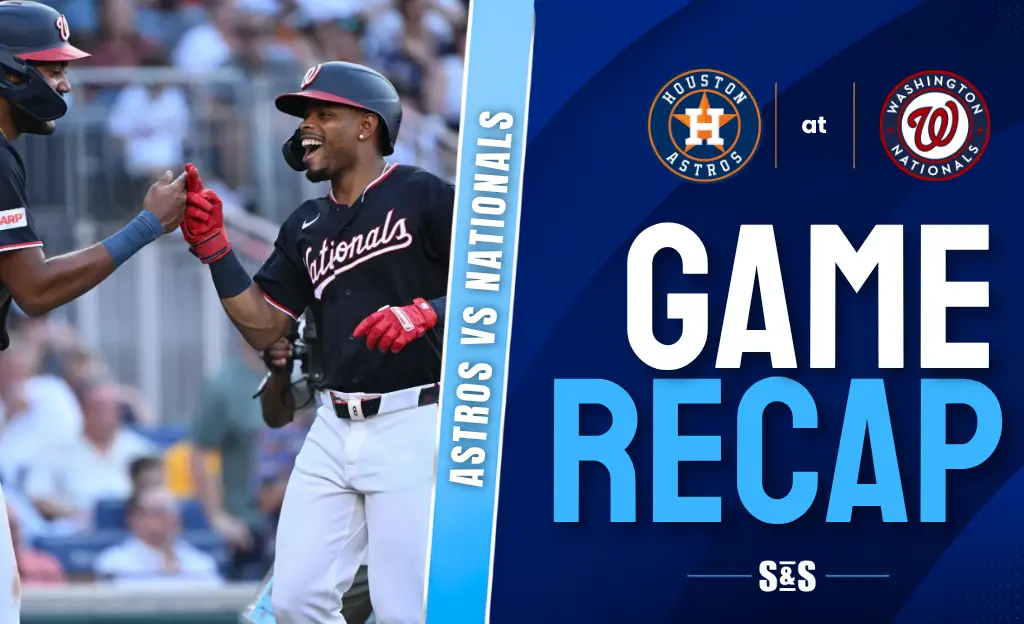

Table of Contents
This Astros vs Nationals recap starts with the market that mattered most: Washington’s offense did not just clear its team total, it smashed through it in a 12-11 win over Houston at Nationals Park. The ScoresAndStats preview made Washington team total over 4.5 runs the best bet, and the Nationals got there before the game had even settled into its middle innings.
Nationals backers were rewarded because the pregame handicap correctly identified Mike Burrows as the pitcher more likely to crack in a high-event environment. Astros bettors had an early 6-1 lead and still lost the game, which is usually the kind of result that leaves a mark. Houston’s offense did plenty. Houston’s pitching did not do nearly enough.
The biggest betting lesson from this Astros vs Nationals recap is that a strong run environment can matter more than an early scoreboard lead. Washington had the lineup form, the park setup, and the matchup against a vulnerable starter. Bettors using the broader MLB preview board had the right framework: isolate the scoring path, then decide whether the full-game side or team total is the cleaner way to attack it.

Find value before the match starts.
Check our picks.
Houston Astros vs Washington Nationals Game Recap
| Game Detail | Result |
|---|---|
| Final Score | Washington Nationals 12, Houston Astros 11 |
| Winning Pitcher | Miles Mikolas |
| Losing Pitcher | Mike Burrows |
| Key Swing | James Wood grand slam in the fifth inning |
| Venue | Nationals Park |
| Key Betting Result | Nationals moneyline and Washington team total over 4.5 cashed |
The preview did not ask bettors to pretend either starter was safe. That was the right place to start. Burrows entered with a 5.58 ERA, a 1.51 WHIP and 19 home runs allowed, while Mikolas had his own home-run risk at 5.44 ERA. The cleaner betting angle was not blind trust in either pitcher. It was Washington’s lineup against Burrows and a Houston staff that had been too easy to pressure.
Houston made the game look like an Astros ticket early. Christian Walker doubled in a first-inning run, Jose Altuve hit a three-run homer in the second, and Yainer Diaz added a two-run homer in the third. At 6-1, Houston had the kind of lead that usually changes the emotional feel of a moneyline bet. It did not change the matchup problem.
Washington answered with the kind of inning the preview was built around. The Nationals erased the deficit with a five-run third, getting to Burrows with contact, power and traffic. C.J. Abrams and Curtis Mead both homered off Burrows, and Washington’s lineup kept forcing Houston to defend baserunners instead of letting Burrows settle into quick outs.
The fifth inning decided the game and the betting result. Burrows could not stop the damage, Houston went to AJ Blubaugh, and James Wood delivered the grand slam that pushed Washington into a 12-7 lead. That swing did more than flip the scoreboard. It confirmed the preview’s best-bet logic: Washington did not need a perfect full-game script to clear its team total. It needed to attack Burrows and get one middle-inning leverage spot. It got both.
Houston’s offense nearly rescued the night. Braden Shewmake doubled in a run in the eighth, and Brice Matthews hit a three-run homer to make it 12-11. That late push mattered for the full-game total and gave Astros bettors a real sweat, but it did not change the final. Washington’s bullpen bent hard, then Clayton Beeter handled the ninth by retiring Yordan Alvarez, Isaac Paredes and Christian Walker.
For bettors studying the betting process, this was a clean reminder that the right market matters. The Nationals moneyline cashed, but the best bet was even cleaner because Washington’s team total did not need Houston’s bullpen to behave, Mikolas to dominate, or the Nationals to win quietly. It only needed Washington to reach five runs. The Nationals reached 12.
Key Stats That Explain the Betting Result
| Verified Stat | Betting Impact |
|---|---|
| Washington 12, Houston 11 | Nationals moneyline cashed as the listed -120 favorite |
| Washington scored 5 in the third and 6 in the fifth | Two crooked innings cleared the team total and flipped the game |
| James Wood grand slam | Created the decisive fifth-inning separation |
| Mike Burrows charged with 10 runs, 7 earned | Validated the pregame target against Houston’s starter |
| Game total: 23 combined runs | Full-game over 10 cashed comfortably |
The most important betting stat was Washington’s 12 runs. That sounds obvious, but the shape matters. The Nationals did not grind out five runs late and barely clear the team total. They attacked the matchup directly, punished Burrows, and turned the best bet into a winner with room to spare. That is the kind of result bettors want when they choose a team total instead of a full-game side.
Burrows’ line explains why the handicap worked. He was charged with 10 runs, seven earned, and allowed nine hits, including home runs to Abrams and Mead. Houston gave him a five-run lead, and he still could not protect it. A starter with a high WHIP and home-run risk can make any favorite or underdog side unstable, but he is especially dangerous when facing a lineup already showing strong recent scoring form.
Washington’s top and middle order created the pressure. Wood drove in four, Mead drove in three, Abrams drove in three, Luis García Jr. added an RBI, and Drew Millas chipped in another. That production spread matters because the preview’s team-total case was not built on one hitter needing a perfect night. It was built on a lineup that could stack threats against a vulnerable right-hander.
Houston’s offense also deserves credit. The Astros had 12 hits, three home runs and 11 runs, which normally should be enough to win. Altuve, Diaz and Matthews all went deep, and the bottom of Houston’s order created real late pressure. But bettors do not get paid for “should be enough.” Houston’s pitching gave back too much, too quickly, and that is why the Astros side failed even with a strong offensive night.
Betting Market Results
The strongest market result was the best bet: Washington team total over 4.5 runs at -135. It cashed with authority. The Nationals reached five runs in the third inning, meaning the main ticket was decided long before the bullpen nearly turned the full-game result into chaos. That is exactly why the preview preferred the team total over forcing every piece of the game to cooperate.
Washington moneyline at -120 also cashed, but it came with far more stress. The Nationals built a 12-7 lead, watched Houston trim it to one in the eighth, and had to survive the heart of the Astros order in the ninth. The result was right, but the path was not clean. That is a good distinction for bettors using sportsbook comparison before choosing between correlated markets.
The full-game over 10 at -110 cashed easily with 23 combined runs. That part of the preview was also right. The only reason it was not the main bet is that a 10-run total is already high. In this case, both starters gave up enough damage and both lineups contributed, so the over cleared with no debate. The handicap was correct that Nationals Park, warm conditions and vulnerable pitching could produce a high-event game.
Houston moneyline bettors were punished in the most frustrating way. They had a 6-1 lead, a lineup that produced all night, and a late comeback attempt that got the tying run within reach. But the Astros allowed 11 unanswered Nationals runs between the third and fifth innings. In full-game baseball betting, a lead is not protection when the starter and middle relief cannot stop the inning from growing.
The lesson for future markets is not to blindly chase every elevated total. It is to ask whether the high number is still short of the real run environment. In this matchup, the answer was yes. Bettors reviewing results through a recap archive should focus on why the over worked: both starters had home-run risk, Washington had a clear team-total path, and Houston’s offense was good enough to keep pushing even after falling behind.











Game Analysis
This game was a pitching failure wrapped inside an offensive show. Houston scored early, Washington answered harder, and neither starter gave bettors a reason to trust run prevention. Mikolas allowed seven runs and nine hits over six innings, but he still earned the win because Washington’s offense gave him a 12-7 lead. That is not a clean pitching endorsement. It is an example of why pitcher wins can tell a misleading story.
Burrows was the more important failure because the preview’s angle centered on attacking him. Houston gave him a 6-1 cushion by the third inning, and that should have been enough for a starter with command. Instead, he lost the lead almost immediately. The Nationals put balls in play with authority, created extra-base damage, and made Houston go to the bullpen before the game was under control.
The fifth inning was the point of no return. Washington loaded the situation, forced Houston into a relief matchup, and Wood’s grand slam made the score 12-7. From there, the Nationals’ side and team total were in great shape, but the game was not finished. Houston’s lineup kept pressing, and that is why the full-game moneyline was much sweatier than the team total.
The Astros’ lower order nearly flipped the result back. Cam Smith, Diaz, Shewmake and Matthews combined to give Houston production from spots that are not always expected to carry a comeback. Matthews’ three-run homer in the eighth cut the deficit to 12-11 and made the Nationals bullpen look shaky. That late inning is exactly why bettors should not confuse a winning team-total handicap with a comfortable side handicap.
Washington survived because Beeter held the ninth. He did not have a soft pocket of the order. He had Alvarez, Paredes and Walker. Getting through those three hitters with a one-run lead was the final piece the Nationals needed. It also protected a moneyline ticket that had looked safe and then suddenly did not.
For readers using handicapper evaluation, this was a strong example of process matching market. The best bet did not require Washington to avoid bullpen stress. It did not require the Nationals to win by margin. It simply targeted the cleanest vulnerability in the game: Burrows against a hot lineup. That is how a bettor avoids adding unnecessary conditions to a strong opinion.

Get today’s MLB picks.
Follow top handicappers now
Why the Nationals Team Total Was the Cleanest Bet
The Nationals team total was the cleanest bet because it narrowed the handicap to the most reliable part of the matchup. Washington did not need Mikolas to pitch well. Washington did not need Houston’s offense to stay quiet. Washington did not even need to win. The Nationals only needed five runs against a starter with poor run-prevention indicators and a staff that had not earned much trust.
That is exactly what happened. Washington reached the number by attacking Burrows in the third inning. Once Abrams and Mead had done damage and the Nationals had stacked traffic, the ticket was no longer about late bullpen noise. It was already in the account. That is the advantage of a team-total position when the matchup is properly isolated.
The price also mattered. At -135, the bet was not cheap, but the preview calculated the break-even point and argued the true probability was slightly higher. The final result made that number look conservative, but the process is what matters. Bettors should not chase expensive team totals just because they are available. They should only pay when the matchup, park, lineup form and pitcher profile all support the same direction.
Washington’s 12-run night checked every box. The Nationals had recent scoring form, the top half of the order carried power and speed, and Burrows’ WHIP gave them several ways to build innings. A team total can lose on bad sequencing, but this was not a sequencing-dependent handicap. Washington had enough contact quality to make the matchup pay.
Why Houston’s Early Lead Was a Trap for Bettors
Houston’s early lead looked safe if the only thing a bettor watched was the scoreboard. The Astros led 6-1, had already hit two home runs, and seemed to have Mikolas on the ropes. But the underlying problem had not changed. Burrows still had to get through Washington’s lineup, and his command and contact profile were still vulnerable.
That is where live bettors and pregame Astros backers had to be careful. A five-run lead can be misleading in a game built for offense. When both starters are giving up hard contact and the park is playing lively, the team trailing by five is not dead. Washington proved that quickly. The Nationals tied the game with a five-run third, then buried Houston with six more in the fifth.
Houston’s side also shows why offense alone is not enough. The Astros scored 11 runs. That should win most games. But when the pitching staff gives up 12 and lets the opposing lineup produce three homers, the offensive output becomes a losing cover story. It makes the box score look competitive, but it does not save the ticket.
For future Astros games, bettors need to separate lineup strength from pitching trust. Houston can hit, especially when Altuve, Alvarez, Walker, Diaz and the lower order are contributing. But backing the Astros in full-game markets requires confidence that the starter can protect leads and that the bullpen is not being asked to clean up too many mistakes. That is where market discipline has to win over scoreboard temptation.
What the Stats Say for Future Matchups
The repeatable signal from this Astros vs Nationals recap is Washington’s offensive ceiling. The Nationals did not luck into five runs. They scored 12, hit three home runs, generated 13 hits and got production from multiple lineup spots. Wood, Abrams and Mead give this order enough damage potential to make team totals playable when the opposing starter has walk, WHIP or home-run issues.
The second repeatable signal is Houston’s offensive resilience. The Astros fell behind 12-7 and still pushed the game to 12-11. Altuve’s homer, Diaz’s homer, Matthews’ late blast and the bottom-order production all show Houston can contribute to overs even when the side fails. That matters for future totals, especially when the Astros face another vulnerable starter.
The fragile signal is Washington bullpen trust. The Nationals won, but the bullpen nearly gave the game away after holding a five-run lead. That does not erase the moneyline result, but it explains why the team total was the sharper market than the side. Until Washington’s late innings become more reliable, bettors should be careful laying prices that depend on clean bullpen closure.
For Houston, the fragile signal is any assumption that Burrows can be trusted simply because the Astros lineup provides support. His rough outing raised his ERA and added more questions about his rotation spot. If the market keeps pricing Houston as if the starter can protect leads, there may be value looking at opponent team totals or full-game overs instead.
The most relevant future betting angle is market selection. Washington team total worked because it isolated the best matchup. Nationals moneyline worked but was much more stressful. Full-game over worked because both lineups contributed and both pitching staffs leaked runs. Before the next board, bettors should compare starter vulnerability, bullpen exposure and lineup form through price-sensitive betting angles, revisit the MLB matchup context, and use one external check such as MLB betting context before deciding whether the number still makes sense.