

 NFL Previews
  MLB Previews
  NBA Previews
  NHL Previews
  Soccer Previews


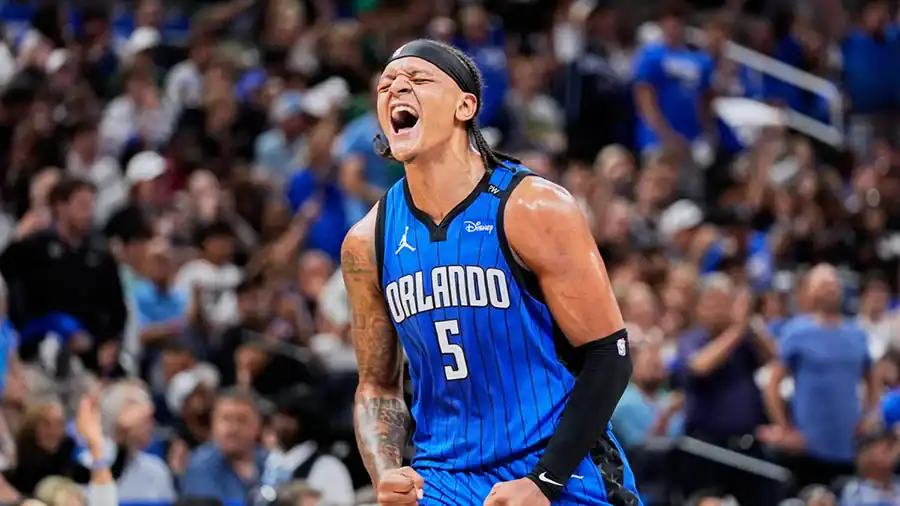
Game Preview Orlando Magic @ New York Knicks
On December 13, the Orlando Magic travel to Madison Square Garden to face the New York Knicks in a key Eastern Conference matchup. Both teams are seeking to establish separation in the tight playoff race, and this game features contrasting styles: Orlando’s pace‑oriented motion offense versus New York’s half‑court discipline and defensive emphasis.
The Magic have used perimeter shooting and playmaking versatility to generate offense, often leaning on dynamic young wings and effective pick‑and‑roll execution. The Knicks, by contrast, rely on structured sets, interior scoring balance, and defensive assignments that prioritize limiting open threes and second‑chance points. For bettors preparing for this clash, understanding how offensive profiles interact with defensive schemes is essential; our NBA expert betting guide provides frameworks for translating those stylistic differences into betting strategy.

Discover Where the Sharps Are Betting
Real Trends, Real Edges, Real Wins
Odds and Key Information
Oddsmakers opened the Knicks as moderate home favorites, with early spreads reflecting New York’s defensive consistency and track record against Eastern opponents. The total is positioned in the mid‑220s, balancing Orlando’s scoring uptick against the Knicks’ tendency to grind possessions in the half court.
As lines develop closer to tip‑off, bettors can explore market alternatives such as alternate total points and spread adjustments that may align with projected scoring scenarios. For real‑time quotes and trackable movement, the NBA odds page on ScoresAndStats maintains an updated book of spreads, moneylines, and totals.
Orlando Magic Outlook
The Magic enter this contest with a clear offensive identity: pace and space facilitated by strong ball movement and transition efficiency. Orlando’s offense ranks above league average in assist percentage and three‑point generation, leveraging young wing scoring and capable interior play to keep defenses honest. When the Magic establish early rhythm from deep, their offense can outscore most rivals.
Defensively, Orlando shows moments of structural discipline but remains vulnerable to teams that execute multiple screening actions and capitalize on post touches. Against the Knicks, perimeter defense and rebounding will be crucial; if New York exploits mismatch screens or seizes offensive rebounds, the Magic could find themselves in late possessions that favor the home team.
Given their swing style, Orlando has attracted interest in over markets when they control pace and push transition points. Bettors should consider how tempo influences totals; a useful primer on this is available in our live betting guide, which highlights how in‑game dynamics feed into total outcomes.
For bettors targeting individual performance, exploring the NBA props betting breakdown can uncover value, especially in assist and rebounding markets for Magic contributors who see high usage as facilitators.
New York Knicks Outlook
The Knicks have built a reputation on defensive rigor and half‑court execution. Their interior defense protects the paint, and they feature disciplined rotations that limit uncontested threes—an asset against teams like Orlando that generate offense in transition. Offensively, New York emphasizes ball control, selective spacing, and balanced scoring options that reduce reliance on isolated shot creation.
At home, the Knicks typically excel in rebounding and second‑chance efficiency, helping them control possession length and pace. Their ability to grind out late possessions against overaggressive defenses makes them a common lean for under bettors in games where tempo is expected to slow. To understand broader betting implications of spread versus moneyline decisions in games like this, see our guide on moneyline betting basics.
Defensively, New York’s perimeter rotations and help coverage will be tested by Orlando’s motion sets. How well the Knicks contain ball reversals and guard against baseline cuts will influence scoring trajectories and, by extension, how totals play out.
Key Matchup
The decisive matchup in this game lies in shot creation and defensive containment. Orlando’s guards and wings excel at quick reads and transition decision‑making. New York’s perimeter defense and help rotations are designed to throttle early offense and force contested jumpers.
If Orlando can sustain early offensive rebounds and convert in transition, they can push the pace and create scoring bursts that challenge the Knicks’ half‑court setup. Conversely, if New York dictates tempo through deliberate sets and limits transition opportunities, the game may ebb toward New York’s strengths.
Another critical matchup to monitor is rebounding dynamics. Orlando’s ability to crash the glass against the Knicks’ disciplined interior defense can generate extra possessions and tilt both spread and total outcomes. For bettors weighing these matchup variables, mastering concepts like reading tempo and lineup differentials is covered in our sports betting strategy guide.
Access Thousands of Data-Driven Plays
From the First Pitch to the Final Whistle
Betting Trends
Recent trend data indicates Orlando has covered on multiple occasions when they hit above‑average three‑point percentages and force turnovers. The Knicks, meanwhile, are solid against the spread at home and often find value when suppressing opponent transition points. Against Eastern Conference rivals with similar offensive profiles, New York has historically leaned toward under outcomes when pace slows in the second half.
When interpreting trends, it’s important to control for context—teams with fluctuating lineups, recent injuries, or back‑to‑back scheduling can skew historical performance. For bettors refining how to integrate trends with broader handicapping, our sports betting for beginners guide lays out foundational concepts on trend usage and situational adjustments.
Prediction
This game projects as a tempo control battle. Orlando’s pace‑driven offense offers upside in over scenarios if they can push transition early and disrupt New York’s rhythm. However, the Knicks’ half‑court consistency and defensive discipline give them an edge in tightening possessions and limiting scoring runs.
We lean toward New York in both spread and overall execution, particularly if they sustain their home defensive profile and dominate rebounding opportunities. This lean also recasts the total toward the under, especially if New York’s controlled sets limit fast‑break points and lengthen possessions.
Projected Score: Knicks 111, Magic 104
Spread Pick: Knicks -4.5 (lean)
Total Lean: UNDER the projected total
For consistent projections and daily expert analysis, visit the NBA picks hub where updated data models and handicappers refine lines and expectations.
Why You Need Expert Picks
Games like Magic vs Knicks highlight the layers of nuance required for profitable NBA betting. Successful wagers incorporate matchup data, pace expectations, shooting trends, and game script forecasts. Simply relying on records or recent wins is often insufficient.
Top bettors track and compare experts via the ScoresAndStats handicappers leaderboard, which highlights analysts with strong performance and disciplined methodologies. Incorporating expert insight into your process can enhance your edge, particularly in close spreads or tightly projected totals.
If you want to deepen your betting toolkit, explore resources on how to hedge a bet, parlay fundamentals, and alternate total strategies. Learning to manage risk through units in betting and live adjustments can improve long‑term ROI.

