NFL Previews
  MLB Previews
  NBA Previews
  NHL Previews
  Soccer Previews
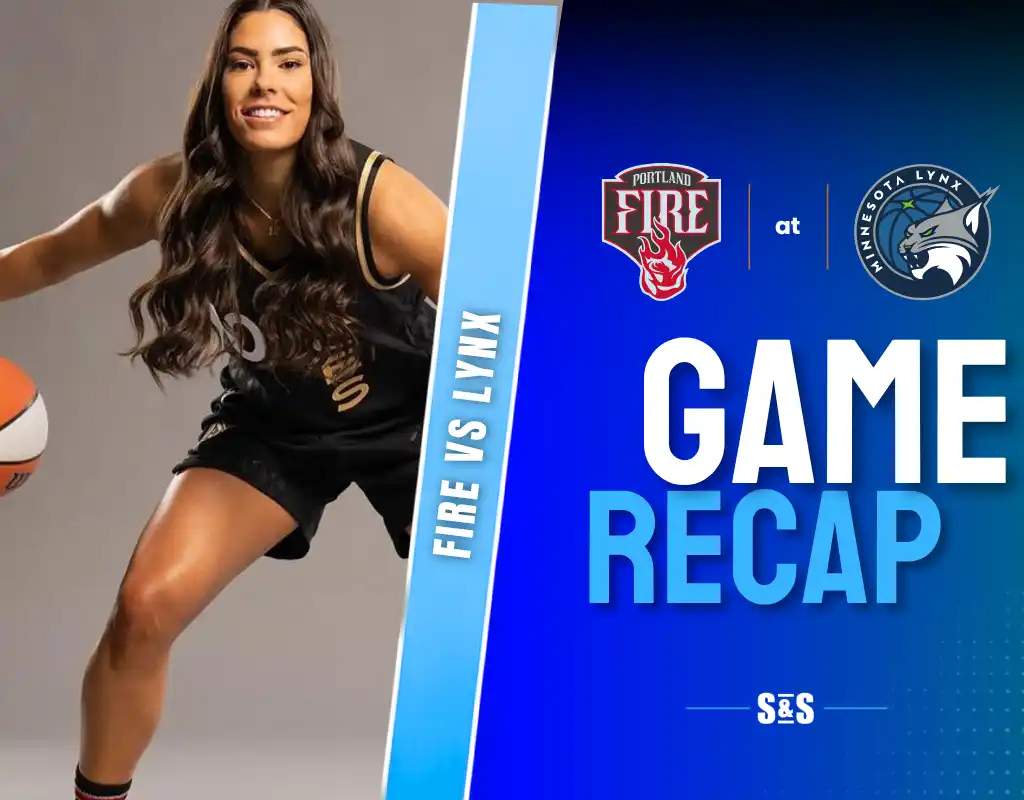

Table of Contents
The Portland Fire vs Minnesota Lynx recap starts with the kind of favorite result that looks comfortable in the standings but less simple at the betting window. Minnesota beat Portland 101-93 at Target Center, extending its winning streak while making the Fire work through a much tighter game than the earlier season meeting suggested.
The original ScoresAndStats preview leaned toward Minnesota’s defensive organization, late-clock scoring, venue edge, and cleaner closing script. That read held up on the moneyline. Minnesota never trailed, Kayla McBride led the Lynx with 24 points, and the home team answered each Portland push with enough shot-making to protect the result.
For bettors, the lesson was not “blindly ride the better team.” It was more specific. Minnesota moneyline bettors were rewarded, but Portland’s improved competitiveness created spread risk for anyone laying a larger number without checking price. That is why a disciplined betting process matters before turning a team-strength edge into a margin assumption.

Go Inside the Handicappers’ Playbook
All in one spot. Real-time line moves, sharp reads, and verified edges.
Portland Fire vs Minnesota Lynx Game Recap
| Game Detail | Result |
|---|---|
| Final Score | Minnesota Lynx 101, Portland Fire 93 |
| League | WNBA Regular Season |
| Venue | Target Center, Minneapolis |
| Key Performer | Kayla McBride scored 24 points for Minnesota |
| Portland Standouts | Bridget Carleton scored 22; Sarah Ashlee Barker and Carla Leite added 21 each |
| Key Betting Result | Minnesota moneyline bettors were rewarded; larger spread positions required price discipline |
Minnesota came in with the cleaner profile. The Lynx were chasing a fifth straight win, playing at home, and facing a Portland team at the end of a demanding road stretch. The preview also highlighted Portland’s missing interior piece, Megan Gustafson, and asked whether the Fire could protect possessions, finish defensive rebounds, and stay attached against a team with better late-clock structure.
The first quarter gave Minnesota the platform it needed. The Lynx built an eight-point lead after one period, and that mattered because it forced Portland to chase the game almost all night. Chasing is not automatically fatal in basketball, but it changes the math. The trailing team has to keep creating clean looks without letting the favorite run away after every empty possession.
Portland did enough to keep the game alive. The Fire were not the same team that lost 107-74 to Minnesota in June. They shot well enough from three-point range, attacked through Carla Leite, and kept finding moments where the deficit felt manageable. In the third quarter, Portland cut the margin to three after free throws from Emily Engstler and a three-pointer from Carleton.
That was the key pressure point. A weaker favorite might wobble there. Minnesota did not. The Lynx answered with consecutive threes, stopped Portland’s momentum, and reminded bettors why closing response is more important than cosmetic control. The preview’s projected Minnesota angle was not about a perfect four-quarter blowout. It was about the home team having the cleaner answer when the game tightened.
McBride’s 24 points gave Minnesota the lead scorer it needed, but the broader game script was about response. Portland kept asking questions. Minnesota kept answering. The Lynx never trailed, and that fact explains the moneyline result better than any single shooting number. Portland made it competitive, but Minnesota controlled the game state.
For bettors using the WNBA preview board, this matchup becomes a useful distinction between winner confidence and margin confidence. Minnesota was the right side to win outright. Whether the Lynx were the right spread side depended entirely on the number, because Portland’s improved offense and perimeter shot-making made the eight-point final margin meaningful.
Key Stats That Explain the Betting Result
The most important betting stat was Minnesota never trailing. That does not always predict a cover, but it says plenty about moneyline control. The Lynx established the first-quarter cushion, protected the game state, and never let Portland fully flip the scoreboard. That is the profile favorite bettors want when they are paying for the better team to simply win.
The second key number was McBride’s 24 points. She gave Minnesota the scoring anchor the preview expected, especially with Napheesa Collier unavailable. When a team is missing a major player, the market needs proof that usage can be redistributed without breaking the offense. McBride supplied that proof again.
Portland’s scoring distribution explains why the final margin was not wider. Carleton scored 22 points and grabbed eight rebounds, while Barker and Leite scored 21 each. Leite also added seven assists, which showed that the Fire had more than one shot-making route. They had a guard who could attack seams, create contact, and keep the offense moving even when Minnesota’s defensive hands were active.
The three-point numbers were also important. Portland shot 43.3 percent from beyond the arc, while Minnesota shot 39.1 percent. That is a real reason the Fire stayed close. When an underdog shoots that well and still loses, bettors should separate offensive competitiveness from full-game control. Portland’s shooting gave it spread life. Minnesota’s answers protected the outright result.
Minnesota committing only nine fouls was another useful betting note. Low foul volume helped the Lynx defend without repeatedly stopping the clock or handing Portland easy scoring chances. That matters in a game where the underdog is trying to turn every comeback attempt into pressure. The Lynx were physical enough to disrupt, but not careless enough to put Portland on the line all night.
This Portland Fire vs Minnesota Lynx recap should therefore be read as a possession-quality game rather than a simple scoring race. Minnesota owned control. Portland owned enough shot-making to make the margin sensitive. That difference is exactly why future bettors should use betting analysis to separate team strength from ticket type.
Betting Market Results
| Market | Betting Takeaway |
|---|---|
| Minnesota Moneyline | Won; the Lynx never trailed and protected the home result |
| Portland Moneyline | Lost; the Fire cut into the margin but never fully flipped the game |
| Spread | Price dependent; Minnesota won by eight, while Portland’s shooting created underdog spread pressure |
| Total | The teams combined for 194 points, but a specific over result requires the verified posted total |
The ScoresAndStats preview explicitly avoided publishing a complete, time-stamped market because moneyline, spread, and total prices were not sufficiently verified. That means this recap should not pretend a specific spread, total, or alternate number cashed. The correct public result is narrower: Minnesota won outright, Portland lost outright, and every margin or total claim must remain price dependent.
The betting meaning is still useful. Minnesota moneyline bettors were rewarded because the Lynx controlled the lead and responded when Portland made its most serious run. Portland spread backers may have had a case depending on the number, because the Fire lost by eight after proving they could generate enough offense to stay inside a wider margin.
This is where sportsbook comparison matters. Two bettors can handicap the same side correctly and still land on different outcomes if one entered early and another chased a worse number later. Minnesota had the better team profile, but price still decided whether the better team was also the better bet.
Game Analysis
Minnesota’s performance was controlled, not careless. The Lynx did not need to bury Portland by 30 again to validate the preview angle. They needed to show that their home-court structure, guard shot-making, and defensive organization could withstand a better Portland effort. They did that.
The Fire’s performance was also stronger than the loss column suggests. Portland made timely threes, found scoring from multiple perimeter sources, and got a real creation night from Leite. That matters because expansion teams can be difficult to price when their development is uneven. One night they look overmatched. Another night they show enough shot creation to stress a top team.
The decisive stretch came when Portland trimmed the deficit to three in the third quarter. That was the game’s betting hinge. If the Fire get one more stop and one clean basket, the live moneyline conversation changes completely. Instead, Minnesota hit back-to-back threes and turned Portland’s best push into a reminder that the favorite still had the stronger response mechanism.
That is the difference between competitiveness and control. Portland was competitive. Minnesota controlled. Bettors who ignore that distinction often overreact in both directions. They either call the favorite unimpressive because it did not crush the underdog, or they call the underdog harmless because it lost. Both reads miss the point.
The smarter handicapper evaluation is more balanced. Minnesota remains reliable because it can answer runs, keep its offensive shape, and defend without giving away too many free points. Portland remains dangerous against inflated numbers because it has guards and wings capable of creating scoring bursts when the three-point shot is falling.
The matchup also showed how absence value should be handled. Gustafson’s absence mattered for Portland, especially inside. But it did not erase the Fire’s offensive ceiling. Collier’s absence mattered for Minnesota, but it did not erase McBride’s role as a high-level scoring stabilizer. Injury analysis is not about naming missing players and stopping there. It is about identifying where those minutes and touches go next.
Why Minnesota Cashed for Moneyline Bettors
Minnesota cashed for moneyline bettors because the Lynx won the game-state battle. They led early, never trailed, and had an answer when Portland created its most dangerous third-quarter push. That is exactly what bettors are paying for when they back a strong home favorite outright.
McBride’s scoring gave the Lynx the cleanest offensive foundation. With Collier out, Minnesota needed a reliable creator who could prevent long scoring droughts. McBride did not just lead the team in points. She helped stabilize the game every time Portland threatened to turn pressure into panic.
The Lynx also defended with enough discipline to avoid giving Portland an easy comeback path. Only nine fouls is not a glamorous stat, but it matters. Comebacks often need free throws, stopped clocks, bonus situations, and defensive frustration. Minnesota kept enough of that off the table.
For future Minnesota games, bettors should not reduce the Lynx to a streak. A streak is history. It is not a ticket. The more useful angle is whether Minnesota can keep producing the same late-clock organization and shot response against different opponents. When that answer is yes, moneyline confidence makes sense. When the price gets too steep, bettors still need market discipline before laying into a number that already assumes perfection.
Why Portland Still Created Spread Risk
Portland lost, but the Fire created real spread risk. That is the part bettors should not throw away just because Minnesota won by eight. The Fire had three players score at least 21 points, shot well from the perimeter, and made Minnesota respond in the third quarter rather than coast.
Carleton’s scoring and rebounding gave Portland a forward who could stretch the floor and keep possessions alive. Barker’s scoring gave the Fire another perimeter answer. Leite’s 21 points and seven assists gave Portland creation off the dribble, which matters because underdogs cannot survive against elite teams on spot-up shooting alone.
The Fire also showed meaningful improvement from the prior Minnesota meeting. Losing 107-74 in June and losing 101-93 in July are not the same handicap result. The standings record treats them both as losses. Bettors should not. A team that closes a 33-point previous gap into an eight-point road loss is telling the market that its form deserves another look.
The caution is that Portland’s improved shooting may not be fully repeatable every night. Making 43.3 percent from three kept the Fire attached. If that drops, the lack of Gustafson’s interior scoring and rebounding becomes more damaging. That is the fragile piece. The repeatable piece is Leite’s ability to pressure the defense and create paint-touch possessions.
That makes Portland a matchup-sensitive underdog going forward. Against teams that cannot answer three-point runs or struggle with guard penetration, the Fire can stress a spread. Against disciplined teams like Minnesota, they may still need near-peak shooting just to stay close. Bettors reviewing the next preview board should treat Portland as improving, not automatic.
Why the High-Scoring Script Made Sense
The final total of 194 combined points looked far different from the preview’s projected score shape. Without a verified sportsbook total, this recap cannot say a specific over cashed. But the basketball explanation for the high-scoring finish is clear: both teams had enough perimeter shot-making to keep the scoreboard moving.
Portland’s 43.3 percent three-point shooting raised the scoring ceiling. That mattered because the Fire were chasing. A trailing team that hits timely threes can compress deficits quickly, force the favorite to keep scoring, and prevent the game from settling into a slower, lower-possession finish.
Minnesota’s answer was nearly as important. The Lynx shot 39.1 percent from three and repeatedly stalled Portland’s momentum with timely makes. Those are the shots that protect favorites. Not every three has the same value. A three that turns a three-point game back into a multi-possession lead carries betting weight beyond the box score.
That is the future total lesson. Bettors should not assume Minnesota games are automatically high scoring or Portland games are automatically loose. The better question is whether the matchup creates the same shot profile: Portland chasing, multiple Fire perimeter scorers active, and Minnesota answering with McBride-led spacing. When those conditions exist, the scoring environment can run hotter than a conservative pregame projection.
A single daily betting perspective can help frame the market, but the actual wager still has to be tied to the posted number, lineup context, and pace expectation.
What the Stats Say for Future Matchups
The repeatable signal for Minnesota is response quality. The Lynx led wire-to-wire, handled Portland’s third-quarter push, and used McBride’s scoring to keep the game under control. That is a strong moneyline profile when the price is fair, especially at home.
The fragile signal for Minnesota is margin. An eight-point win as the stronger team is not a failure, but it is a reminder that winning and covering are different tasks. If the market inflates Minnesota because of the streak, bettors should be cautious with larger spreads unless the matchup strongly supports separation.
The repeatable signal for Portland is offensive growth. Carleton, Barker, and Leite gave the Fire enough scoring to make a top team sweat. Leite’s seven assists are especially important because they show creation, not just shot-making. That matters for future underdog spots.
The fragile signal for Portland is three-point dependence. The Fire needed a hot perimeter night to stay inside the fight, and missing Gustafson left them thinner inside. If the threes cool or the opponent controls the defensive glass, Portland’s margin protection becomes less reliable.
The most relevant future betting angle is matchup sensitivity. Minnesota deserves respect, but not blind spread trust. Portland deserves attention, but not automatic underdog support. The next number should decide the play. Bettors comparing future WNBA boards through a price-and-probability framework, broader betting process notes, and updated WNBA matchup context should remember the clean lesson from Minnesota 101, Portland 93: the Lynx were the right moneyline side, but the Fire made the margin a much tougher bet than the team names alone suggested.