NFL Previews
  MLB Previews
  NBA Previews
  NHL Previews
  Soccer Previews
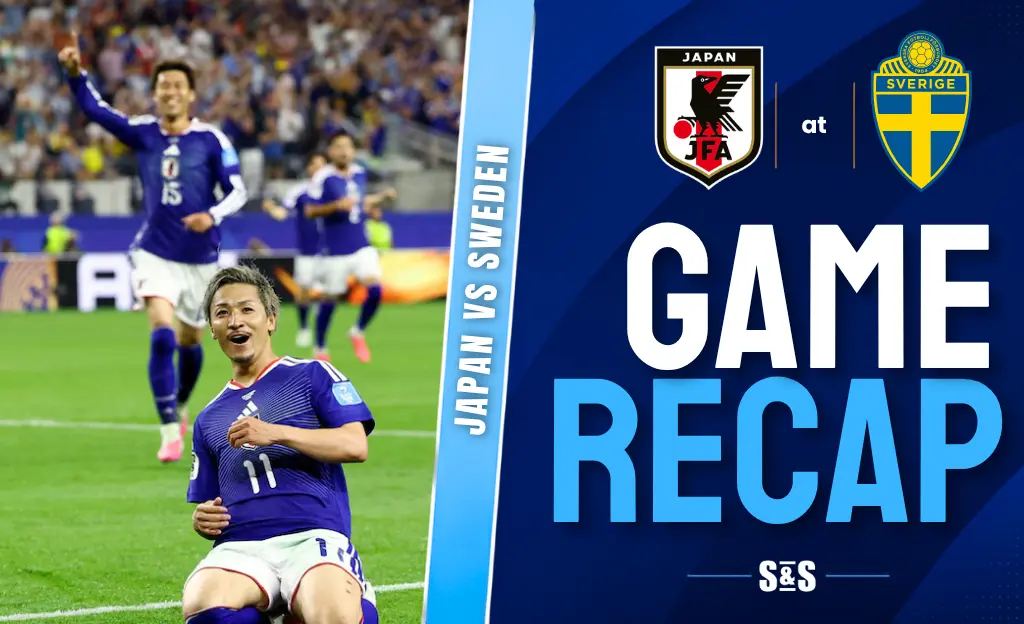

Table of Contents
Japan vs Sweden ended 1-1, and the betting lesson was about qualification pressure and controlled risk. Japan needed enough to protect second place, Sweden needed enough to survive, and the match ultimately rewarded draw and Both Teams to Score-style positions.
Daizen Maeda gave Japan the lead in the second half, but Anthony Elanga answered quickly for Sweden. Bettors watching the Soccer scores and odds board saw a match where one goal did not break the structure because both teams still had enough reason to manage the final phase carefully.
This was not a wild favorite failure or a clean underdog smash. It was a tournament draw with purpose, and the Soccer previews lesson is that advancement math can narrow the best betting angles.

Bet soccer with confidence.
See top handicappers.
Japan vs Sweden Match Recap
| Match Detail | Result |
|---|---|
| Final Score | Japan 1, Sweden 1 |
| Japan Goal | Daizen Maeda, 56th minute |
| Sweden Goal | Anthony Elanga, 61st minute |
| Venue | Dallas Stadium |
| Key Betting Result | Draw and BTTS-style bettors were rewarded |
The first half stayed tight, which helped the draw angle. Neither side found the breakthrough early, and that kept both teams in a position where one mistake could change the group outlook.
Japan struck first through Maeda in the 56th minute. That goal looked like it might push Japan toward full control, but Sweden answered five minutes later through Elanga. The quick equalizer was the decisive betting moment because it restored the draw and made both moneylines harder to trust.
Late Sweden pressure created risk, including a key save from Zion Suzuki, but Japan protected the point. Both teams advanced, which explained the controlled finish.
Key Match Factors That Explain the Betting Result
| Match Factor | Betting Impact |
|---|---|
| Scoreless first half | Protected draw and under-style positions early |
| Maeda scored after halftime | Put Japan moneyline tickets briefly in front |
| Elanga equalized quickly | Flipped the match back toward draw bettors |
| Suzuki made late saves | Protected Japan and the 1-1 result |
| Both teams advanced | Supported cautious late-match management |
The key factor was the quick Swedish response. Japan’s lead did not last long enough to create a stable favorite-closeout script. Sweden’s equalizer returned the match to balance.
For bettors using game results after the fact, the 1-1 final should be read as a group-stage incentive result, not simply a missed opportunity for Japan.
Betting Market Results
| Market | Betting Takeaway |
|---|---|
| Japan Moneyline | Lost after Sweden’s equalizer |
| Sweden Moneyline | Lost despite the second-half response |
| Draw | Won with the 1-1 final |
| Both Teams to Score | Yes was supported by both second-half goals |
| Total Goals | Two goals created a moderate scoring script |
Exact BTTS and total prices should not be assumed without verified lines, but the result clearly rewarded draw bettors and BTTS Yes-style positions.
The expert betting guide takeaway is straightforward: when both teams can benefit from a controlled result, three-way moneyline risk increases.
Why the Draw Was the Right Read
The draw was the right read because both teams had paths to advancement without needing to empty the match. Japan had enough quality to score first, but Sweden had enough attacking threat to answer.
Once the game reached 1-1, the final phase became a question of risk. Japan did not need to chase recklessly. Sweden did not need to throw shape away after equalizing. That made the draw stronger as the minutes passed.
Bettors comparing future Soccer picks should look for similar group-stage situations where a draw protects both teams.
Why Japan Still Showed a Repeatable Betting Signal
Japan’s goal was a positive sign because Maeda’s finish came from a team that stayed patient after a quiet first half. Japan did not panic or force the match too early. That kind of structure can be valuable in knockout-style betting.
The fragile part was protecting the lead. Sweden answered quickly, and that showed Japan can still be vulnerable when the opponent has direct attacking quality.
For bettors reading the ScoresAndStats blog, Japan’s future profile looks strong in draw-no-bet and Asian handicap markets, but moneyline prices need matchup sensitivity.
Find value before the match starts.
Check our picks.
Why Sweden’s Response Matters
Sweden’s equalizer mattered because it showed resilience after conceding. Elanga’s goal did more than tie the match; it changed the betting mood and kept Sweden’s tournament alive.
That response is a useful future signal. Sweden may not dominate possession every match, but they have enough attacking quality to punish teams that relax after scoring first.
Bettors using sportsbook reviews should care about this because Sweden may offer more value in BTTS or handicap markets than in pure moneyline spots.
What the Stats Say for Future Matchups
Japan’s 1-1 draw with Sweden suggests both teams are capable of disciplined tournament soccer. Japan’s repeatable signal is structure and patience. Sweden’s repeatable signal is response quality after falling behind.
The fragile signal for Japan is late lead protection. The fragile signal for Sweden is whether they can create enough without needing to chase. Bettors checking handicappers sites reviews should favor analysis that separates those two profiles.
The future angle is to watch market type. Japan may be safer in protected markets, while Sweden can stay live in BTTS and plus-handicap spots when the matchup gives Elanga and the attack enough space.