NFL Previews
  MLB Previews
  NBA Previews
  NHL Previews
  Soccer Previews
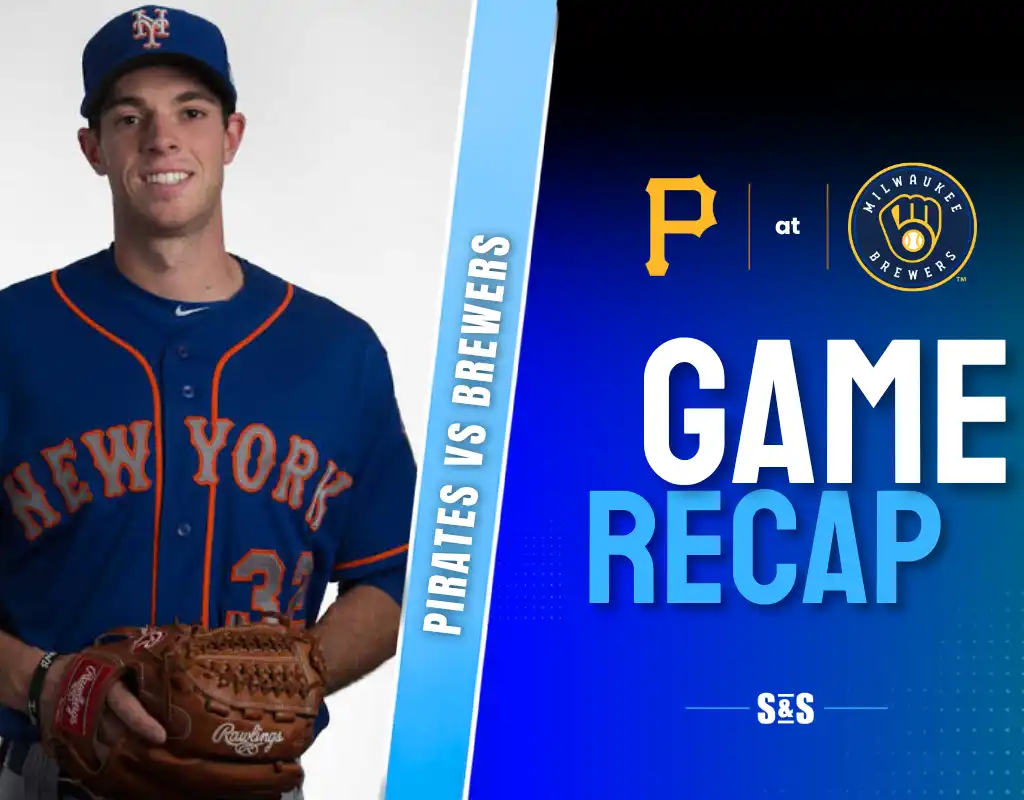

Table of Contents
The Milwaukee Brewers vs Pittsburgh Pirates recap starts with a frustrating favorite miss: Pittsburgh beat Milwaukee 3-2 at PNC Park in Game 2 of the doubleheader, flipping the preview’s Brewers moneyline best bet. Milwaukee had traffic, had a quality start from Shane Drohan, and had the tying swing from Brice Turang, but the Brewers did not convert enough chances to support the -130 price.
The original ScoresAndStats preview listed Milwaukee at -130, Pittsburgh at +110, and the total at 8.5, with Brewers moneyline as the best bet. That recommendation leaned on Drohan’s stronger run-prevention profile against Bubba Chandler and on Milwaukee’s broader lineup depth. Bettors checking the broader MLB preview board saw the right pregame question: could Milwaukee turn the starting-pitcher edge into enough scoreboard separation before the bullpen phase?
The answer was no. Pittsburgh moneyline bettors were rewarded, Brewers moneyline bettors were punished, and Under bettors had the cleanest market result because the game finished with only five combined runs. The biggest betting lesson from this Milwaukee Brewers vs Pittsburgh Pirates recap is direct: in a low-scoring doubleheader spot, stranded runners can wreck a favorite ticket even when the starter gives the team enough to win.











Go Inside the Handicappers’ Playbook
All in one spot. Real-time line moves, sharp reads, and verified edges.
Milwaukee Brewers vs Pittsburgh Pirates Game Recap
| Game Detail | Result |
|---|---|
| Final Score | Pittsburgh Pirates 3, Milwaukee Brewers 2 |
| Venue | PNC Park, Pittsburgh |
| Key Pittsburgh Swing | Esmerlyn Valdez two-run home run in the fourth inning |
| Go-Ahead Run | Bryan Reynolds RBI single in the sixth inning |
| Milwaukee Scoring | Brice Turang two-run double in the fifth inning |
| Key Betting Result | Pittsburgh moneyline cashed; Milwaukee moneyline failed |
Milwaukee had early chances to make the favorite price look right. The Brewers put runners on in the first and second innings, used pressure on the bases, and had opportunities against Chandler before the game fully settled. That was exactly the kind of traffic a road favorite wants in the second half of a doubleheader. The problem was conversion. Milwaukee did not turn those early chances into runs, and every empty inning gave Pittsburgh more room to stay inside the game.
Drohan did his part early. He retired the Pirates in order in the first and worked through the opening frames without letting Pittsburgh create immediate pressure. That supported the preview’s starting-pitching logic. Milwaukee had the cleaner run-prevention case before first pitch, and Drohan’s early work gave that case real backing.
The fourth inning changed the side market. Bryan Reynolds doubled, and Valdez followed with a two-run homer to give Pittsburgh a 2-0 lead. That swing was the game’s first true betting hinge. Milwaukee had missed early scoring chances, and Pittsburgh turned one rally into the first separation. In a game carrying an 8.5 total, a two-run homer does not automatically break the Under, but it absolutely changes the moneyline pressure.
Milwaukee answered in the fifth when Turang ripped a two-run double to tie the game at 2-2. That kept Brewers moneyline bettors alive and briefly restored the favorite’s path. The Brewers still had a chance to extend the inning after Pittsburgh went to the bullpen, but they again failed to cash the bigger opportunity. That sequence became the summary of the night: Milwaukee had the traffic, but not the finish.
Pittsburgh reclaimed the lead in the sixth when Reynolds delivered an RBI single after Brandon Lowe’s double. From there, the Pirates’ bullpen protected the one-run edge, and Milwaukee did not get a runner beyond first after Pittsburgh went ahead. The original matchup preview projected a 5-3 Brewers win. The final game script stayed low-scoring, but the wrong side owned the leverage inning.
Key Stats That Explain the Betting Result
The most important betting stat was Milwaukee going 1-for-8 with runners in scoring position and leaving 11 runners on base. That is the whole market story. A favorite laying -130 does not have to score in every inning, but it cannot keep giving away scoring chances in a one-run game. Milwaukee created enough traffic to validate parts of the handicap, then failed to turn that traffic into the runs the ticket needed.
Drohan’s line also matters. He worked 6.1 innings, allowed three earned runs on five hits, walked none, and struck out six. That is a quality start, and in many betting recaps it would be enough to explain why the favorite cashed. Here, it explains the frustration. Drohan did not implode. Milwaukee lost because the offense did not support a start that was good enough to keep the game inside the expected range.
Valdez’s two-run homer was the power swing that flipped the early game state. He had already punished Milwaukee earlier in the doubleheader, and his fourth-inning homer in Game 2 gave Pittsburgh the first meaningful lead. That matters because the Brewers had already missed early chances. When the underdog makes its first real opportunity count and the favorite does not, the market starts to turn.
Reynolds supplied the second decisive swing with his sixth-inning RBI single. It was not as loud as the Valdez homer, but it was the winning hit. In a low-scoring game, the go-ahead RBI matters more than the volume around it. Pittsburgh had fewer wasted chances, and that is why the plus-money side cashed.
The total result also supported the preview’s broader run-environment read. The listed number was 8.5, and the game finished with five combined runs. Under bettors were rewarded because both starters kept the game contained and neither offense produced a crooked inning beyond Pittsburgh’s two-run fourth. Bettors reviewing this through the recap archive should separate the side miss from the total read. The run environment was right. The winner was not.
Betting Market Results
| Market | Betting Takeaway |
|---|---|
| Milwaukee Moneyline -130 | Lost as the preview’s best bet because Milwaukee stranded too many runners |
| Pittsburgh Moneyline +110 | Cashed as the home underdog converted the key scoring chances |
| Milwaukee -1.5 (+130) | Failed because Milwaukee never created a favorite-covering script |
| Pittsburgh +1.5 (-150) | Cashed because Pittsburgh won outright by one run |
| Under 8.5 Runs (-110) | Cashed comfortably with five combined runs |
The best-bet result was a miss. Milwaukee moneyline at -130 had a logical pregame case because Drohan had the stronger starting-pitcher profile and the Brewers owned the better season record. But the ticket still needed run conversion. Milwaukee did not provide it.
The Under 8.5 was the cleaner result because the game stayed inside the starting-pitching and doubleheader script. The Brewers had traffic, but not scoring. Pittsburgh had enough timely contact, but not a runaway inning. Bettors comparing MLB markets through sportsbook comparison should remember that the best side and the best total are not always the same bet. Here, the total made more sense after the game started taking shape.
Game Analysis: Why Pittsburgh Beat the Market From a Plus-Money Position
Pittsburgh beat the market because the Pirates did what a home underdog has to do in a low-scoring game: survive early traffic, cash one power swing, and protect the leverage innings. Chandler had to work around Brewers chances early, but Pittsburgh did not let Milwaukee turn those chances into a first-half lead. That was the first win inside the game.
Valdez gave Pittsburgh the second win with his fourth-inning homer. In a doubleheader setting, that swing carried extra weight because Milwaukee had already seen Valdez do damage earlier in the day. The Brewers still had to execute against him, and they did not. His two-run shot forced Milwaukee into comeback mode in a game that was not producing easy offense.
Milwaukee’s fifth-inning response could have shifted the game back. Turang’s two-run double tied it, and the Brewers had a chance to do more. Instead, Pittsburgh limited the damage, then took the lead back the next inning. That sequence is why the Pirates moneyline was the right ticket after the game developed. They absorbed the counterpunch and answered before Milwaukee could settle.
The Pirates’ bullpen then finished the job. Milwaukee’s offense did not create a late baserunner push, and no Brewers runner advanced past first after Pittsburgh moved ahead. That matters for bettors because a one-run underdog lead is fragile if the favorite keeps traffic coming. Pittsburgh did not let that happen.
For anyone using handicapper evaluation, the postgame lesson is not to rip the pregame logic without context. Drohan pitched well enough to support the Brewers side. The failure came from stranded runners and Pittsburgh’s better execution in the two biggest run-scoring sequences.
Why Milwaukee Failed Moneyline Bettors
Milwaukee failed moneyline bettors because the Brewers did not turn traffic into scoring. That is the cleanest explanation. The lineup created enough early stress to expose Chandler’s command risk, but the Brewers kept walking away with nothing. In baseball betting, empty traffic is expensive. It raises hope without changing the score.
The fifth inning was Milwaukee’s best chance to take control. Turang’s double tied the game, and the Brewers had Pittsburgh’s bullpen entering with pressure. A favorite cashes there by adding another run, forcing the home team to chase, and turning the game over to its own bullpen with a lead. Milwaukee did not do that.
Drohan’s start makes the loss more frustrating for Brewers backers. He gave Milwaukee length, avoided walks, and struck out six. He did not bury the ticket. The offense did. That is an important distinction for future handicapping because a team can lose the side even when one of the preview’s strongest assumptions proves accurate.
The run line was never the right Milwaukee expression once the game stayed tight. Even when the Brewers tied it, there was no clear separation path. A bettor using market discipline should recognize that favorites in low-total games often belong on the moneyline or not at all. Laying -1.5 requires offensive finish, and Milwaukee did not have it.
Why the Under Was the Strongest Market Read
The Under was the strongest market read because the game never broke into a sustained scoring environment. Milwaukee had baserunners, but runners left on base do not hurt Under bettors. Pittsburgh had two decisive swings, but only three total runs. That kept the game well below 8.5.
Drohan’s quality start helped the Under even in a loss. He allowed three runs over 6.1 innings and kept Pittsburgh from turning the middle innings into a bullpen scramble. Chandler and the Pirates’ bullpen did the rest by limiting Milwaukee to two runs despite constant traffic. The result was a game that created tension without creating total pressure.
This is a useful distinction for future totals. A game with 16 baserunners stranded or constant traffic can feel uncomfortable, but the market grades runs. Milwaukee’s 1-for-8 with runners in scoring position was terrible for side bettors and useful for Under bettors. The same event can produce opposite market emotions.
The preview listed a first five innings Under angle as a secondary route, and the full-game Under ultimately held up because the early scoring stayed contained and the late innings never opened. That is the kind of structure bettors should track through MLB matchup context when doubleheaders and bullpen usage shape the board.
What the Stats Say for Future Matchups
The biggest repeatable Pittsburgh signal is clutch conversion. Valdez supplied the power, Reynolds supplied the go-ahead contact, and the bullpen protected a one-run lead. That is a real home-underdog profile when the price is fair. The Pirates do not need to dominate every inning if they can cash the few scoring chances that matter most.
The fragile Pittsburgh signal is the margin. A 3-2 win is useful, but it is thin. Bettors should not overprice the Pirates after one efficient underdog result. Pittsburgh still allowed Milwaukee traffic, and a better Brewers swing with runners in scoring position could have changed the entire game.
For Milwaukee, the repeatable positive is starting-pitcher stability. Drohan gave the Brewers a quality start, and that matters for future moneyline and Under-friendly matchups. The fragile signal is offensive conversion. Leaving 11 runners on base and going 1-for-8 with runners in scoring position is a warning sign for anyone laying a short road price.
The most relevant future betting angle is market selection. Milwaukee can still be playable when its starter edge is real, but bettors need confidence that the lineup can finish innings before laying a favorite price. Pittsburgh can be useful as a home underdog when the Pirates have enough power and bullpen support to survive early traffic. Before the next card, compare the matchup through the MLB preview board, keep the betting framework focused on run conversion, and remember what this Milwaukee Brewers vs Pittsburgh Pirates recap showed: the Brewers had the baserunners, but the Pirates had the runs. For one outside board comparison, bettors can also check SportsHub MLB coverage, but the core lesson stays the same: Pittsburgh won the leverage at-bats, and Milwaukee’s stranded traffic killed the favorite ticket.