NFL Previews
  MLB Previews
  NBA Previews
  NHL Previews
  Soccer Previews


- Minnesota Twins vs Cleveland Guardians Picks, Predictions and Odds: Does early-inning run prevention create the cleanest angle?
- Game Info: Which conditions matter most before first pitch?
- Minnesota Twins vs Cleveland Guardians Odds: Is the current number still inside a playable range?
- Head-to-Head and Series History: How much weight should recent meetings carry?
- Minnesota Twins Recent Form: Can the road club carry its current approach into this series?
- Cleveland Guardians Recent Form: Does the home side deserve the market’s respect?
- Starting Pitcher Matchup: Is the cleaner edge early or over nine innings?
- Lineups, Injuries and Bullpen Availability: Which late news could change the bet?
- Key Matchup Factors: What will decide the market before the bullpens take over?
- Alternative Bets: Which secondary market fits the same game script?
- Best Bet: Is discipline more valuable than forcing an unverified number?
- Final Prediction: What is the most likely game script?
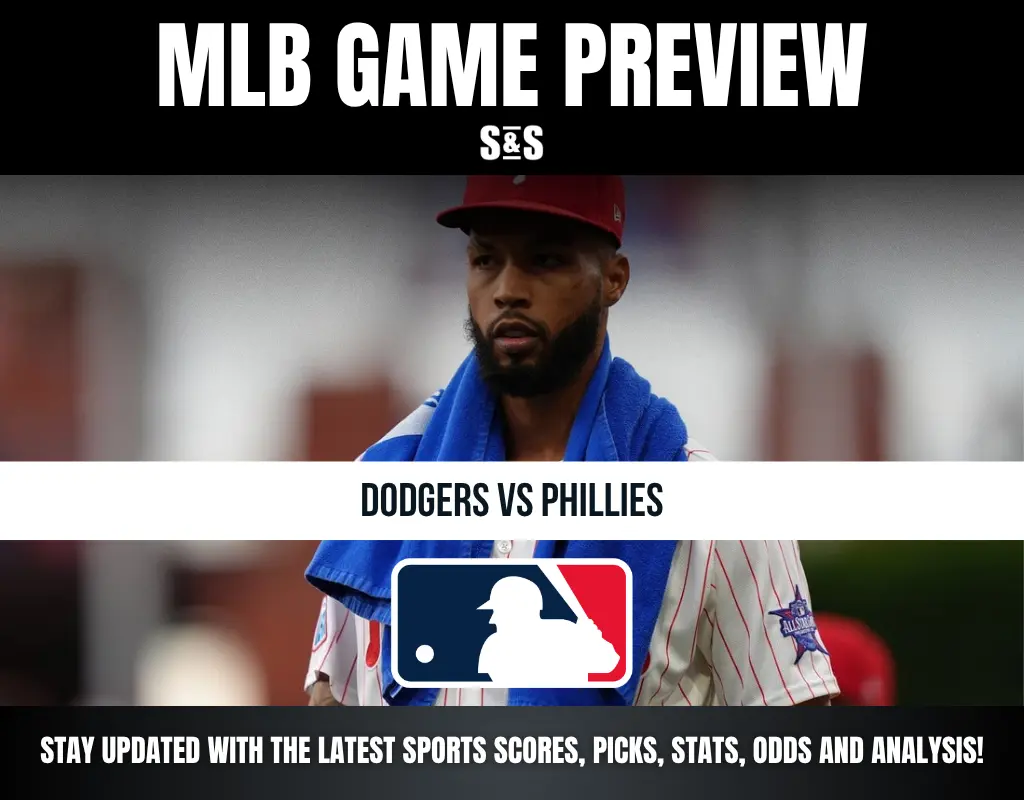
Los Angeles Dodgers vs Philadelphia Phillies Picks, Predictions and Odds: Does Cristopher Sanchez against a road-weary Dodgers lineup create the cleanest angle?
The Los Angeles Dodgers visit the Philadelphia Phillies on Monday, July 20, 2026, at Citizens Bank Park. The matchup sits at the start of a new series, which matters because both clubs arrive with fresh tactical choices but not necessarily fresh bullpens. The central betting question is Cristopher Sanchez against a road-weary Dodgers lineup. That is more useful than reacting to one result from the weekend, because the cleaner read comes from how each lineup handles the opposing pitching plan and how quickly the game reaches middle relief.
The preferred market family is the Phillies first five innings side, but price discipline has to lead the decision. The broader MLB picks and previews board is useful for comparing the rest of Monday’s slate. This game should be judged after confirmed lineups and a verified market number are available, not from a stale screenshot or an assumed opener.

The board is live.
See today’s picks before the games get started.
Game Info: Which conditions matter most before first pitch?
- Game: Los Angeles Dodgers vs Philadelphia Phillies
- Date: Monday, July 20, 2026
- First Pitch: 7:10 p.m. ET
- Ballpark: Citizens Bank Park
- Location: Philadelphia, Pennsylvania
- Series Spot: Series opener
- Probable Starters: Verify official designation before wagering
- Weather/Roof: Check final game-time conditions and roof status
Citizens Bank Park shapes the handicap through outfield dimensions, foul territory, and the way extra-base contact carries. Because this is a Monday opener, managers also have more freedom to use their best relievers than they would in a getaway game. The last check should cover confirmed starters, batting orders, roof or wind conditions, and whether any high-leverage arm worked heavily Sunday.
Los Angeles Dodgers vs Philadelphia Phillies Odds: Is the current number still inside a playable range?
The market should be treated as live information rather than a fixed fact. No moneyline, run line, total, or derivative price is included here unless it can be independently verified at publication time. That prevents a stale or copied number from turning a sound baseball read into a bad wager. The practical decision is to compare the posted line with the game script described below and refuse the bet once the price removes the edge.
For the Phillies first five innings side, the number matters as much as the matchup. A move of ten to fifteen cents on a side, half a run on a total, or one strikeout on a pitcher prop can change the decision completely. The correct approach is to set a limit first, then compare the current board to that limit. The expert betting guide provides the bankroll and price context behind that discipline.






Head-to-Head and Series History: How much weight should recent meetings carry?
Recent meetings between Dodgers and Phillies are background rather than the foundation of the bet. Rosters, pitcher usage, bullpen health, and park conditions change too quickly to treat an old series result as a predictive rule. The useful part of history is structural: whether one lineup repeatedly forced the opposing staff into the zone, whether the same core hitters are still present, and whether the current ballpark produced the expected run environment.
| Context | Relevance | Betting Use |
|---|---|---|
| Most recent series | Limited without matching starters | Use only for bullpen workload and lineup continuity |
| Same-park meetings | Moderate | Compare contact shape and run environment |
| Long-term head-to-head | Low | Do not use as a primary betting reason |
Los Angeles Dodgers Recent Form: Can the road club carry its current approach into this series?
Los Angeles Dodgers enter the opener needing a controlled offensive plan. On the road, the first inning is especially important because the lineup gets the first chance to establish whether it can see pitches, create traffic, and avoid giving the home starter easy outs. The best version of this offense does not need a crooked number immediately; it needs quality plate appearances that raise pitch count and expose the middle of the staff before the late innings.
The road club’s form should be read through process rather than a five-game win-loss label. Hard contact, strike-zone decisions, extra-base pressure, and the ability to score without relying on home runs are more stable indicators than a small cluster of final scores. For this matchup, the key question is whether Dodgers can avoid expanding the zone and turn baserunners into multiple-run innings. If that does not happen, the Phillies first five innings side becomes harder to support.
Philadelphia Phillies Recent Form: Does the home side deserve the market’s respect?
Philadelphia Phillies have the benefit of the last at-bat and a familiar park, but the home edge is not automatic. Their recent form matters most in the middle innings, when the starter begins a third trip through the order and the manager decides whether to protect the game with premium relief. A lineup that is producing balanced contact can pressure that decision. A lineup living on isolated home runs can look dangerous while remaining vulnerable to long quiet stretches.
Starting Pitcher Matchup: Is the cleaner edge early or over nine innings?
The probable-starter designation should be confirmed before any pitcher-specific wager is made. A late scratch changes the side, total, first-five market, and every related prop. Once the starters are official, compare command before velocity: walk rate, first-pitch strikes, ability to finish hitters with two strikes, and recent workload tell us whether each pitcher can reach the sixth inning without exposing a soft middle-relief lane.
The early-game market is cleaner when one starter owns a clear command or platoon edge and the bullpens introduce more uncertainty than value. The full-game market is stronger when the same team also has the deeper relief group. In this matchup, Cristopher Sanchez against a road-weary Dodgers lineup should determine whether the handicap stops after five innings or stays exposed through the ninth.
Lineups, Injuries and Bullpen Availability: Which late news could change the bet?
Projected orders are listed for matchup planning, not as confirmed cards. Review the Los Angeles Dodgers Injury Report and Philadelphia Phillies Injury Report before relying on platoon assumptions, catcher assignments, or bullpen roles. One missing middle-order bat can change a team total, while a rested catcher or returning defender can improve run prevention without changing the headline lineup.
Los Angeles Dodgers Projected Lineup
- Shohei Ohtani, DH
- Mookie Betts, SS
- Freddie Freeman, 1B
- Teoscar Hernandez, RF
- Max Muncy, 3B
- Will Smith, C
- Andy Pages, CF
- Michael Conforto, LF
- Tommy Edman, 2B
Philadelphia Phillies Projected Lineup
- Kyle Schwarber, DH
- Trea Turner, SS
- Bryce Harper, 1B
- Alec Bohm, 3B
- Brandon Marsh, LF
- Nick Castellanos, RF
- Bryson Stott, 2B
- J.T. Realmuto, C
- Johan Rojas, CF
The bullpen check should focus on usage from the previous three days, not just season ERA. Back-to-back appearances, a 25-plus-pitch outing, or a closer used in a tie can remove the preferred late-inning option. Official lineups can also shift the bet if a key hitter rests, a platoon bat moves into the top four, or the catching assignment changes the running game.
Key Matchup Factors: What will decide the market before the bullpens take over?
The first matchup factor is strike-zone control. The offense that reaches favorable counts can force the opposing starter away from his best chase pitch and create damage on fastballs in the zone. The second is contact shape. At Citizens Bank Park, line drives and gap contact may matter more than raw home-run totals, depending on wind and roof conditions.
Alternative Bets: Which secondary market fits the same game script?
A secondary look is the first-five innings market. It fits when the confirmed starter matchup is more trustworthy than the late relief picture. A team total can also be considered if one offense owns the clearer platoon advantage and the opposing bullpen is carrying workload. Neither alternative should be played blindly; the line must still match the projected game script.
The Phillies First Five Innings Side — only inside the stated price limit
This derivative is preferable only when it isolates the strongest part of the handicap. A worse price, an unexpected lineup scratch, or a starter change should move the decision from play to pass. The purpose of an alternative is to reduce unwanted exposure, not to create a second bet for the sake of action.
Best Bet: Is discipline more valuable than forcing an unverified number?
Best Bet: Pass until the market is independently verified
The baseball case points toward the Phillies first five innings side, but an exact recommendation cannot be responsible without a verified line and price. The implied probability changes with every market move, and the estimated probability is only useful when it is compared with the same current number. The playable range is therefore simple: act only after the posted price has been confirmed and only if it still compensates for lineup, starter, weather, and bullpen uncertainty.
Three independent reasons support that discipline. First, Cristopher Sanchez against a road-weary Dodgers lineup is the matchup’s central variable, and it may change with one lineup or pitching update. Second, relief availability can swing the final three innings without changing season-long statistics. Third, park and weather conditions at Citizens Bank Park can move the run environment enough to erase a thin edge. A stale number would misstate all three.
The fair counterargument is that waiting can mean losing the best price. That is real. Even so, taking an unverified or outdated line is worse than missing a small move because the bettor cannot calculate the true implied probability or define a valid playable limit. No result is promised. The number is the decision.
Final Prediction: What is the most likely game script?
Final Score Prediction: Los Angeles Dodgers 4, Philadelphia Phillies 4 through the middle innings, with the final margin decided by bullpen execution.
The expected script is controlled early, then increasingly dependent on relief depth and the quality of the top six hitters. That keeps the Phillies first five innings side as the preferred market family once the official information is verified. The main risk is a late starter change, a materially different lineup, or bullpen unavailability that shifts the matchup after the initial read.
The final position is to protect the price rather than force action. Confirm the current market, compare it with the game script, and pass when the number no longer pays for the uncertainty.