NFL Predictions
  MLB Predictions
  NBA Predictions
  NHL Predictions
  Soccer Predictions
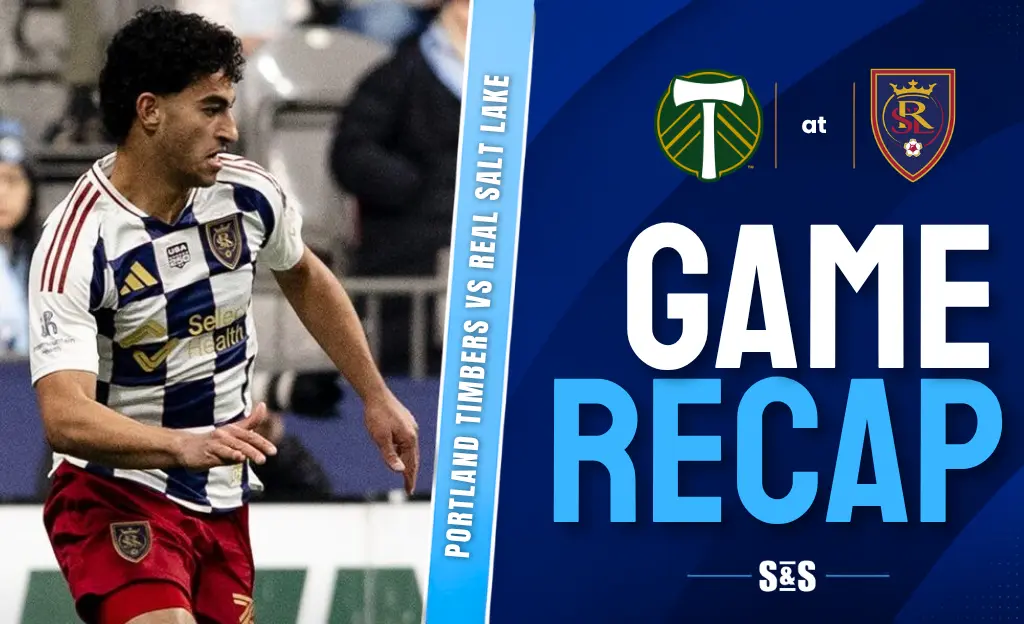

Table of Contents
The Portland Timbers vs Real Salt Lake recap starts with the betting result that mattered most: Portland Timbers 2, Real Salt Lake 1. ScoresAndStats identified Real Salt Lake draw no bet at -102 as the best pregame angle, but that ticket failed because Portland turned a halftime deficit into a second-half comeback at Providence Park.
The preview’s expectation was not reckless. Real Salt Lake entered with a stronger recent attempt profile, a useful head-to-head record, and enough attacking structure through Diego Luna, Sergi Solans, and Juan Manuel Sanabria to justify draw protection rather than a full three-way moneyline play. The problem was the match script. RSL got the first goal, but they did not protect it.
Felipe Mora changed the market in the second half. Sanabria gave Real Salt Lake the 18th-minute lead, but Mora scored in the 56th and 67th minutes to hand Portland the 2-1 win. That made Portland moneyline bettors the biggest winners, punished RSL draw-no-bet backers, and reinforced a classic soccer betting lesson also visible in broader league odds analysis: a good pregame number still needs the team to defend the lead after it gets the match state it wanted.

Find value before the match starts.
Check our picks.
Portland Timbers vs Real Salt Lake Match Recap
| Match Detail | Result |
|---|---|
| Final Score | Portland Timbers 2-1 Real Salt Lake |
| Goals | Juan Manuel Sanabria 18’; Felipe Mora 56’ and 67’ |
| Venue | Providence Park, Portland |
| Key Betting Result | Portland moneyline won; Real Salt Lake draw no bet lost |
| Best Market Result | Portland comeback win and over 2.5 goals |
Real Salt Lake started the match exactly how draw-no-bet backers wanted. Sanabria’s 18th-minute goal created the ideal away-side game state: score first, quiet the home crowd, and force Portland to chase. At that point, the preview logic looked alive because RSL had the protection of the lead and did not need to win the match by margin.
The issue was what happened after RSL took control of the scoreboard. Portland did not panic. The Timbers continued pushing through wide service, restarts, and pressure around the box. That mattered because Real Salt Lake were not undone by one long stretch of beautiful open-play dominance. They were hurt by moments they needed to defend better, especially on set pieces.
Mora’s equalizer in the 56th minute changed the bet. Once the match moved to 1-1, Real Salt Lake draw no bet was no longer winning; it was only surviving. That is an important distinction. Draw-no-bet markets protect against a draw, not against poor second-half defending. RSL still had time to recover, but Portland had the momentum and the sharper penalty-area presence.
The second Mora goal in the 67th minute completed the swing. From a betting perspective, that was the moment the preview angle broke. Real Salt Lake had already done the hard part by scoring first away from home, but Portland found two second-half answers and turned the match into a home favorite result. Bettors who paid for Portland on the three-way moneyline were rewarded for trusting Providence Park pressure and Mora’s finishing.
This Portland Timbers vs Real Salt Lake recap is useful because it does not reduce the match to “the pick lost.” The sharper reading is more specific. RSL’s pregame case had logic, but the match exposed the risk in relying on draw protection when the away side cannot defend set pieces after scoring first. That is the difference between a good handicap theory and a winning ticket.
Key Match Factors That Explain the Betting Result
The most important betting factor was Portland’s second-half set-piece edge. Real Salt Lake had the early goal, but Portland created enough pressure to force RSL into repeated defensive actions. Once Mora became the central penalty-area problem, the match tilted toward the home side.
Portland also had the stronger pressure profile by the end of the match. The Timbers finished with more shots on target, more total attempts, and a major corner-kick edge. Those numbers matter because they show why the comeback was not random. Portland kept creating the type of volume that can eventually turn into a goal, even when the first half works against them.
- Juan Manuel Sanabria’s 18th-minute goal put Real Salt Lake in position to cash the preview’s draw-no-bet angle.
- Felipe Mora’s 56th-minute equalizer moved RSL draw no bet from winning to merely surviving.
- Mora’s 67th-minute winner flipped the match completely and cashed Portland moneyline tickets.
- Portland’s corner and set-piece pressure became the clearest repeatable match factor.
The list explains why bettors should not treat this as a simple upset or a simple home win. Real Salt Lake had the match state. Portland had the better response. That distinction is valuable because draw-no-bet bettors are often buying insurance against a draw, but they still need the selected team to manage dangerous phases after gaining control.
The same lesson carries across other soccer markets. In competitions covered by Bundesliga betting futures and odds analysis, a team can look attractive because of shot volume or recent form, but the in-match detail still matters. If the team cannot defend dead-ball situations or second-half pressure, the pregame profile becomes fragile.
Betting Market Results
| Market | Betting Takeaway |
|---|---|
| Portland Timbers Moneyline | Won after Portland rallied from 0-1 down to win 2-1 |
| Real Salt Lake Moneyline | Lost despite Sanabria’s first-half goal |
| Real Salt Lake Draw No Bet -102 | Lost because Portland won outright |
| Over 2.5 Goals | Won with three total goals in the 2-1 final |
The preview’s best bet was Real Salt Lake draw no bet at -102. That was a protective structure, but it was not enough protection for the actual match. A draw would have returned the stake. A Real Salt Lake win would have cashed. Portland winning 2-1 made the market result clear: the DNB angle lost.
This is why draw-no-bet positions should never be treated as safe simply because they remove the draw from the loss column. The market still asks the bettor to trust the team not to lose. Real Salt Lake scored first and still failed that requirement. Portland moneyline bettors took more exposure to the three-way result but got paid because the home side turned pressure into the two goals that mattered.
The total goals result also fits the match. The preview market showed over 2.5 goals as the heavily priced side, and the 2-1 final cleared that number. Bettors should still be careful with that lesson. Three goals came through a specific match script: early RSL lead, Portland response, and a second-half comeback. Future totals should be judged by chance creation, set-piece threat, and game-state risk rather than by copying one final score. That broader idea also applies when reading Copa America odds predictions, where match state often decides whether totals markets open or stay tight.
HEY, WATCH THIS!
Go Beyond the Final Score With Deeper Soccer Market Context
Explore More Soccer Analysis
Game Analysis
The match analysis begins with Real Salt Lake’s missed opportunity. RSL were not chasing the game from the beginning. They were leading. Sanabria’s goal in the 18th minute gave them the exact platform an away draw-no-bet selection wants. From there, the job was to manage pressure, defend set pieces, and create enough counterattacking threat to keep Portland honest.
They did not do enough of that. Portland’s second-half pressure became more direct and more useful. The Timbers did not need to dominate every midfield sequence because they found the penalty-area moments that decided the match. Mora’s finishing was the difference, but the setup was Portland’s ability to keep forcing RSL into uncomfortable defensive work.
Real Salt Lake’s problem was not that the first goal came too early. The problem was that the lead did not change the defensive quality of their match. Good away teams use an early lead to shrink the game, slow the rhythm, and make the favorite chase low-probability chances. RSL allowed Portland to keep finding dangerous restart and box-entry moments. That turned the match into a test of defensive concentration, and Portland won that test.
Portland’s comeback also says something about the Timbers’ betting profile under pressure. A team that can respond after conceding first is more useful to bettors than a team that only looks good when the match starts cleanly. Portland had to absorb the early setback, keep the crowd involved, and trust its attacking pieces. Mora gave them the finishing, but the bigger betting note is that Portland’s pressure did not disappear after going behind.
For Real Salt Lake, the result should make bettors more cautious about road positions that depend on defensive execution. Their pregame case had real logic because the attempt numbers and recent profile were strong. But away betting is not only about shot volume. It is about whether that team can protect stressful phases when the home side increases pressure. In this match, RSL could not.
Why Portland Punished the Draw-No-Bet Angle
Portland punished the draw-no-bet angle because they did not let the match stay in Real Salt Lake’s preferred lane. RSL wanted a result where the first goal created leverage, the draw remained live as protection, and the away side could either win or escape level. Portland’s second-half response destroyed that structure.
The equalizer mattered more than a normal 1-1 goal because it removed RSL’s winning position. Suddenly, the draw-no-bet ticket had no upside unless Real Salt Lake scored again. Portland had turned the bet into a live survival position, and that changed the psychology of the match. The home team had momentum. The away side had to prove it could settle the game again.
Mora’s winner then exposed the cost of that failure. Once Portland led 2-1, Real Salt Lake draw no bet had no protection left. That is the hard edge of the market. Draw protection sounds comfortable before kickoff, but the bet still loses when the selected team loses outright. The price at -102 was fair enough to discuss before the match, but the actual defensive performance did not support it.
This is not a reason to reject draw-no-bet markets altogether. It is a reason to use them correctly. Draw no bet works best when the team has both a path to win and enough defensive stability to avoid losing. Real Salt Lake had the first part for a while. They did not have the second part for 90 minutes.
The future lesson is simple. If an away team is recommended on draw no bet because of shot volume and tactical structure, bettors should still ask how that team defends restarts, late pressure, and home momentum. Those are not minor details. They are often the difference between a protected position and a losing ticket.








Why Felipe Mora Changed the Betting Story
Felipe Mora changed the betting story because he turned Portland’s pressure into goals. Soccer recaps often talk about momentum, but momentum only matters when someone finishes the chance. Mora did that twice, first to level the match and then to win it.
The 56th-minute goal was the reset. It made Portland moneyline bettors believe the comeback was possible and made Real Salt Lake backers feel the risk that had been hiding under the early lead. The 67th-minute goal was the final betting swing. In 11 minutes of match time, Mora moved the result from RSL control to Portland control.
That is the kind of individual finishing that affects future betting markets. Bettors should not overreact and assume Portland will score twice from similar situations every week, but they should respect that Mora gives the Timbers a clear penalty-area answer when service arrives. Portland do not need every attack to be perfect if they can create enough dangerous balls into the box.
For Real Salt Lake, Mora’s brace highlights a defensive weakness that future opponents will notice. If RSL continue allowing dangerous set-piece or crossing situations, opposing forwards will not need huge possession spells to hurt them. That matters for totals, both teams to score, and away-side draw-no-bet decisions.
The contrast with other soccer markets is useful. When bettors read Golden Boot odds analysis, they are usually thinking about finishers in tournament context. In MLS match betting, the same finishing principle applies on a smaller scale. A reliable penalty-area striker can flip a market even when the tactical preview leans the other way.
HEY, WATCH THIS!
Go Beyond the Final Score With More Global Soccer Betting Context
Explore More Soccer Analysis
What the Stats Say for Future Matchups
The strongest future signal is Portland’s home pressure. The Timbers showed they can fall behind and still create enough danger to win. That is repeatable when they are at Providence Park, especially against opponents that struggle to defend set pieces or second balls. The more fragile signal is the exact comeback path. Scoring twice in 11 second-half minutes is valuable, but it should not be treated as a normal baseline.
Real Salt Lake’s future profile is more complicated. The preview’s underlying logic was not empty. RSL still have attacking pieces who can create the first goal, and Sanabria’s opener proved they can hurt teams on the road. But the loss makes their defensive reliability harder to trust, especially when the market asks bettors to back them away from home.
- Portland moneyline positions are more attractive when the opponent has set-piece or aerial defending issues.
- Real Salt Lake draw-no-bet plays need a stronger defensive case before being trusted on the road.
- Over-style totals remain live when Portland’s home pressure meets an opponent capable of scoring first.
- Felipe Mora’s finishing gives Portland a real late-match betting profile if service into the box is consistent.
The future betting angle for Portland is not simply “back the Timbers at home.” The better version is more disciplined: back Portland when the matchup gives them repeated box entries, corner pressure, and a target for Mora or another central finisher. That is when their home energy becomes more than atmosphere. It becomes a market edge.
For Real Salt Lake, bettors should separate attacking production from match management. RSL can create, but this match showed that creating first is not the same as controlling the final result. If the next market offers RSL away from home, the key question should be whether the opponent can generate the same type of second-half pressure Portland created.
The Portland Timbers vs Real Salt Lake recap closes with a clean betting lesson. Portland’s 2-1 win punished the preview’s RSL draw-no-bet angle because Real Salt Lake could not protect the lead that made the bet look strong. Portland turned set-piece pressure and Mora’s finishing into a comeback, and bettors should remember that draw protection does not protect against poor defending. For future MLS matchups, the best angle is to value game-state management as much as pregame shot volume. A team can have the right first goal and still be the wrong bet by full time.