ES
ES

 NFL Previews
  MLB Previews
  NBA Previews
  NHL Previews
  Soccer Previews


Table of Contents

Your next pick starts here.
Check the board, compare the options, and find the picks you like.
Tour de France Odds 2026 have officially settled with Tadej Pogačar winning his fifth yellow jersey. The UAE Team Emirates-XRG leader completed the 21-stage race in 73 hours, 56 minutes and 26 seconds.
Remco Evenepoel finished second, six minutes and 26 seconds behind Pogačar. Isaac del Toro completed the podium at 9:42 and won the white jersey during a historic Tour debut.
Pogačar won five stages and controlled the general classification after reclaiming yellow in the Pyrenees. Jonas Vingegaard’s Stage 15 withdrawal removed his strongest remaining challenger, but Pogačar continued attacking through the final Alpine block.
The final ScoresAndStats card performed exceptionally well. Pogačar, Evenepoel, del Toro, Mads Pedersen, Lidl-Trek and the Stage 16 selection all delivered. Richard Carapaz winning the mountains classification produced the only loss from the eight-position July 20 card.
Tour de France Odds 2026 Final Update
The 2026 Tour de France winner market is closed. Pogačar converted his position as the overwhelming pre-race favorite and won the yellow jersey for the fifth time.

Pre-race market snapshots listed Pogačar around -400. Vingegaard generally occupied the +375 to +450 range, while Evenepoel was available around +2000.
Pogačar’s result was expected, but the shorter price created little protection against three weeks of crashes, illness and mechanical uncertainty. Evenepoel and del Toro produced more useful placement returns for bettors who identified the final podium correctly.
Pedersen won the green jersey, Carapaz captured the polka-dot jersey, del Toro secured white and Lidl-Trek claimed the team classification.
| Final Market | Winning Result | ScoresAndStats View |
|---|---|---|
| Yellow Jersey | Tadej Pogačar | Final winner pick cashed |
| Second Place | Remco Evenepoel | Final placement pick cashed |
| Third Place | Isaac del Toro | Final podium pick cashed |
| Green Jersey | Mads Pedersen | Classification pick cashed |
| Polka-Dot Jersey | Richard Carapaz | Pogačar prediction lost |
| White Jersey | Isaac del Toro | Final classification pick cashed |
| Team Classification | Lidl-Trek | Final team pick cashed |
The completed race reinforces the difference between predicting the most likely champion and finding a bet with enough value. Pogačar was the correct winner, but several classification and placement markets offered more attractive returns.
Tour de France Final Classification

Pogačar won the general classification by 6:26 over Evenepoel. Del Toro finished another 3:16 behind the Belgian and protected third place from Paul Seixas.
Seixas finished fourth during a breakout Tour for the 19-year-old French rider. Lenny Martinez completed the top five, followed by Mattias Skjelmose and Juan Ayuso.
Carapaz finished eighth despite targeting stages and mountain points rather than building his entire race around the general classification. Tom Pidcock and Jordan Jegat completed the top 10.
The complete times and classifications are available through the official Tour de France rankings.
| Position | Rider | Team | Final Time or Gap |
|---|---|---|---|
| 1 | Tadej Pogačar | UAE Team Emirates-XRG | 73:56:26 |
| 2 | Remco Evenepoel | Red Bull-Bora-Hansgrohe | +6:26 |
| 3 | Isaac del Toro | UAE Team Emirates-XRG | +9:42 |
| 4 | Paul Seixas | Decathlon CMA CGM | +11:56 |
| 5 | Lenny Martinez | Bahrain Victorious | +13:02 |
| 6 | Mattias Skjelmose | Lidl-Trek | +14:59 |
| 7 | Juan Ayuso | Lidl-Trek | +17:48 |
| 8 | Richard Carapaz | EF Education-EasyPost | +20:00 |
| 9 | Tom Pidcock | Pinarello-Q36.5 | +29:28 |
| 10 | Jordan Jegat | TotalEnergies | +33:21 |
The final podium matched the revised ScoresAndStats projection exactly. Pogačar, Evenepoel and del Toro maintained their positions through the time trial and final three mountain stages.
How Tadej Pogačar Won the Tour
Pogačar won through repeated attacks rather than protecting a narrow advantage. He collected five stage victories across the Pyrenees, Massif Central, Vosges and Alps.
Team Visma-Lease a Bike won the opening team time trial, allowing Vingegaard to become the first yellow jersey. Del Toro won Stage 2 before Pogačar took his first stage on the climb to Les Angles.
Torstein Træen briefly moved into yellow after joining the successful Stage 4 breakaway. Pogačar reclaimed control on Stage 6 through a long-range attack toward Gavarnie-Gèdre.
He never surrendered the lead again. Victories at Le Lioran and Le Markstein increased the gap before the race reached the decisive final week.
Evenepoel reduced the deficit during the Stage 16 time trial, but Pogačar remained more than four minutes ahead. He then added another victory during the first Alpe d’Huez finish on Stage 19.
The champion finished fourth behind Carapaz on the final mountain stage. That result was more than enough to enter Paris with an unassailable advantage.
Pogačar’s Five Stage Wins
Pogačar won five of the race’s 21 stages. All five victories came on demanding terrain rather than through time bonuses during flat finishes.
Stage 6 created the largest early statement. His solo attack toward Gavarnie-Gèdre allowed him to reclaim yellow and build the foundation for the final winning margin.
The Alpe d’Huez victory on Stage 19 provided the final confirmation. Pogačar attacked near the summit and claimed his fifth stage win before allowing Carapaz and other breakaway riders to contest Stage 20.
| Stage | Route | Winning Impact |
|---|---|---|
| Stage 3 | Granollers to Les Angles | First individual stage victory |
| Stage 6 | Pau to Gavarnie-Gèdre | Reclaimed yellow with long solo attack |
| Stage 10 | Aurillac to Le Lioran | Extended general classification lead |
| Stage 14 | Mulhouse to Le Markstein | Strengthened control before final rest day |
| Stage 19 | Gap to Alpe d’Huez | Final mountain-stage victory |
The five victories brought Pogačar to 26 career Tour stage wins. He now trails only Mark Cavendish, Eddy Merckx and Bernard Hinault on the historical list.
Tour de France Jersey Winners
Pogačar won yellow, but the other classifications produced separate betting stories.
Pedersen secured the green jersey through consistency across intermediate sprints, hilly stages and conventional finishes. He won Stage 4 and remained competitive on terrain that eliminated several pure sprinters.
Carapaz won the mountains classification after an aggressive final week. He captured Stages 18 and 20, crossed several major climbs first and overtook Pogačar in the polka-dot competition.
Del Toro won the white jersey and finished third overall. Seixas ended 2:14 behind the Mexican in the young-rider standings.
Lidl-Trek won the team classification behind the combined results of Skjelmose, Ayuso, Quinn Simmons and its supporting riders.
| Classification | Winner | Key Reason |
|---|---|---|
| General Classification | Tadej Pogačar | Five stage victories and 6:26 winning margin |
| Points Classification | Mads Pedersen | Consistent scoring across multiple stage types |
| Mountains Classification | Richard Carapaz | Two final-week mountain victories |
| Young Rider Classification | Isaac del Toro | Third overall and 2:14 ahead of Seixas |
| Team Classification | Lidl-Trek | Two riders inside final top seven |
The yellow, green, white and team predictions from the final ScoresAndStats update all cashed. The mountains competition was the only classification miss.
Evenepoel and Del Toro Complete the Podium
Evenepoel finished second after winning consecutive stages at Plateau de Solaison and during the individual time trial beside Lake Geneva.
He never reduced Pogačar’s lead enough to create a genuine final-week battle for yellow. Evenepoel did establish clear separation from del Toro and the remaining podium contenders.
Del Toro produced the breakout general classification performance. He won Stage 2, remained with the strongest climbers and finished his debut Tour in third.
Pogačar occasionally rode in support of his teammate during the final mountains. That assistance helped del Toro protect his podium position and the white jersey from Seixas.
Seixas still produced one of the most important results for French cycling. His fourth-place finish immediately establishes him as a future Tour contender, although the market will likely shorten his price considerably in 2027.
Final Week Stage Results
The final week produced victories for Evenepoel, Jasper Philipsen, Carapaz, Pogačar and Mathieu van der Poel.
Evenepoel converted the primary Stage 16 prediction by completing the 26.1-kilometer time trial in 32 minutes and 19 seconds. He defeated Pogačar by 28 seconds.
Philipsen won the Stage 17 sprint before the race entered three consecutive mountain stages. Carapaz won at Orcières-Merlette and added another victory during the second Alpe d’Huez stage.
Pogačar claimed the first Alpe d’Huez finish. Van der Poel ended the Tour by defeating Philipsen and Pedersen in Paris.
| Stage | Winner | Result Impact |
|---|---|---|
| Stage 16 | Remco Evenepoel | ScoresAndStats best bet cashed |
| Stage 17 | Jasper Philipsen | Reduced green jersey pressure temporarily |
| Stage 18 | Richard Carapaz | Strengthened mountains challenge |
| Stage 19 | Tadej Pogačar | Fifth stage win confirmed dominance |
| Stage 20 | Richard Carapaz | Secured polka-dot jersey |
| Stage 21 | Mathieu van der Poel | Won dramatic Paris finale |
The final week showed why stage betting must be separated from the overall classification. Pogačar remained the strongest general classification rider without winning every stage.
Tour de France Betting Results
Pogačar converted the pre-race favorite position. Bettors who accepted a price around -400 received the expected result but carried three weeks of exposure for a relatively limited return.
Vingegaard futures and podium positions lost after his Stage 15 crash and withdrawal. The result was not caused by a gradual performance decline, which demonstrates the unavoidable injury risk built into Grand Tour markets.
Evenepoel rewarded second-place and podium bettors. His Stage 16 victory also cashed the primary selection from the final ScoresAndStats update.
Del Toro produced two winning classification outcomes through third place and the white jersey. Pedersen and Lidl-Trek completed the successful supporting card.
Carapaz was the most important late-market adjustment. His aggressive strategy across Stages 18 and 20 allowed him to pass Pogačar in the mountains competition.
| Betting Position | Final Result | Outcome |
|---|---|---|
| Pogačar Tour Winner | Finished first | Won |
| Vingegaard Podium or Second | Withdrew after Stage 15 crash | Lost |
| Evenepoel Second Place | Finished second | Won |
| Del Toro Podium | Finished third | Won |
| Evenepoel Stage 16 | Won time trial | Won |
| Pedersen Points Classification | Won green jersey | Won |
| Del Toro Young Rider | Won white jersey | Won |
| Pogačar Mountains Classification | Carapaz won | Lost |
The best results came from combining the strongest general classification riders with more competitive stage and secondary-classification markets.
How the Previous Tour Picks Performed
The July 20 ScoresAndStats update produced seven winning positions from eight final selections.
The projected podium of Pogačar, Evenepoel and del Toro finished in the exact predicted order. Evenepoel also won the Stage 16 time trial as expected.
Pedersen won green, del Toro secured white and Lidl-Trek retained the team classification. Pogačar did not win the mountains competition because Carapaz scored heavily during the final Alpine stages.
Earlier versions of the article included Vingegaard to finish second and Ayuso to win the white jersey. Those positions lost before the final update was published.
| July 20 Pick | Final Result | Grade |
|---|---|---|
| Tadej Pogačar to Win | Tour champion | Won |
| Remco Evenepoel Second | Finished second | Won |
| Isaac del Toro Third | Finished third | Won |
| Evenepoel Stage 16 | Won time trial | Won |
| Mads Pedersen Green Jersey | Won points classification | Won |
| Isaac del Toro White Jersey | Won young-rider classification | Won |
| Tadej Pogačar Polka Dots | Carapaz won | Lost |
| Lidl-Trek Team Classification | Finished first | Won |
Final July 20 Card: 7-1 across the eight listed predictions.
Biggest Winners From the 2026 Tour
Tadej Pogačar
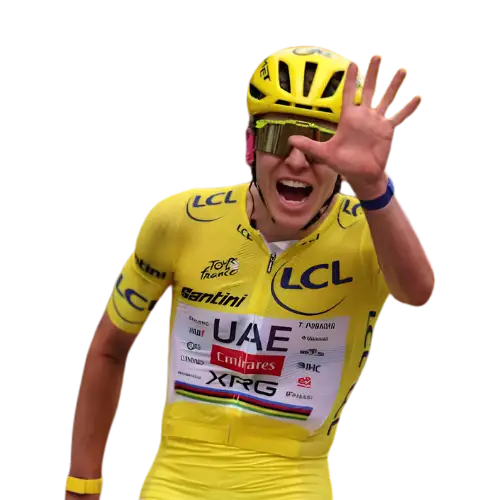
Pogačar became a five-time Tour champion at only 27 years old. He also won five stages and finished every decisive climbing test near the front.
Isaac del Toro
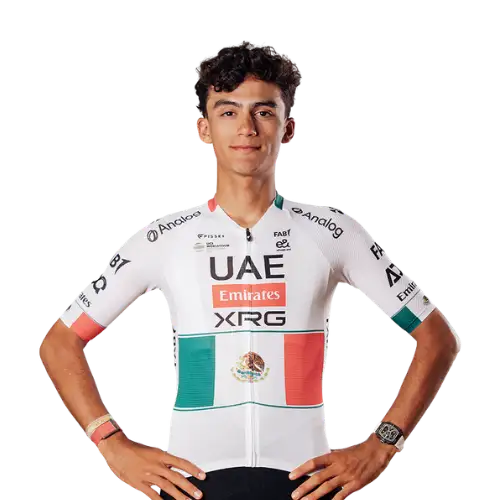
Del Toro won a stage, finished third overall and secured the white jersey during his debut. His result creates another potential Tour leader within UAE Team Emirates-XRG.
Remco Evenepoel
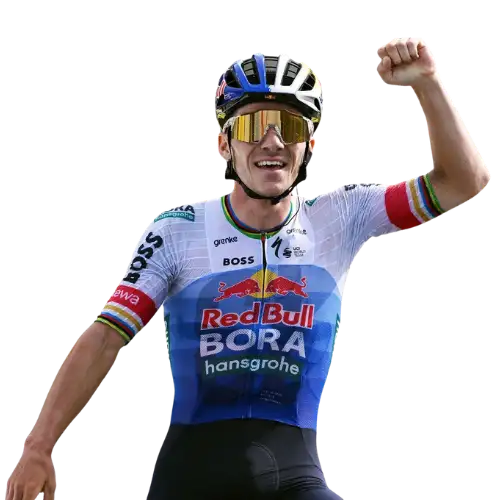
Evenepoel could not challenge Pogačar for yellow, but he won two stages and secured second place. His time-trial result confirmed his position as the strongest alternative after Vingegaard’s withdrawal.
Richard Carapaz
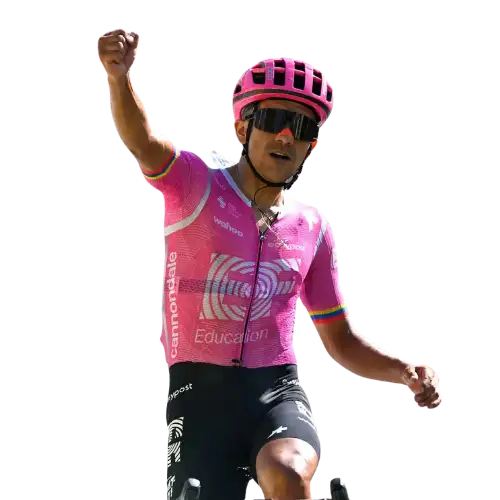
Carapaz won two mountain stages, captured the polka-dot jersey and finished eighth overall. His decision to pursue breakaways rather than protect every general classification second produced multiple rewards.
Mads Pedersen and Lidl-Trek
Pedersen achieved a major career objective by winning green. Lidl-Trek also won the team classification and placed Skjelmose and Ayuso inside the top seven.
Biggest Tour de France Disappointments
Jonas Vingegaard

Vingegaard entered as Pogačar’s primary challenger and wore yellow after the opening team time trial. His Stage 15 crash ended the Tour while he remained second overall.
The withdrawal eliminated outright, podium and head-to-head positions without allowing bettors to see how the final Alpine matchup would have developed.
Florian Lipowitz
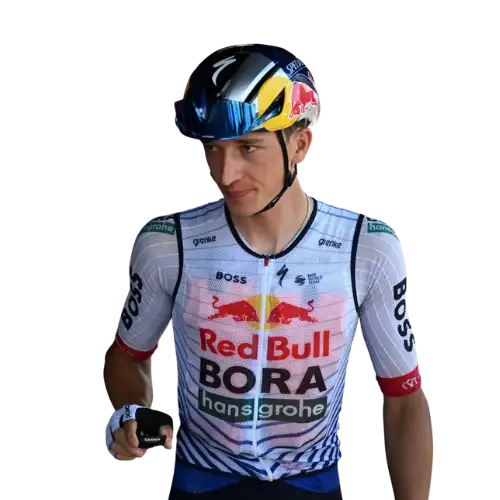
Lipowitz entered the Stage 16 time trial in the middle of the podium and white jersey battle. A crash forced him to withdraw before he could complete the course.
Juan Ayuso’s White Jersey Position
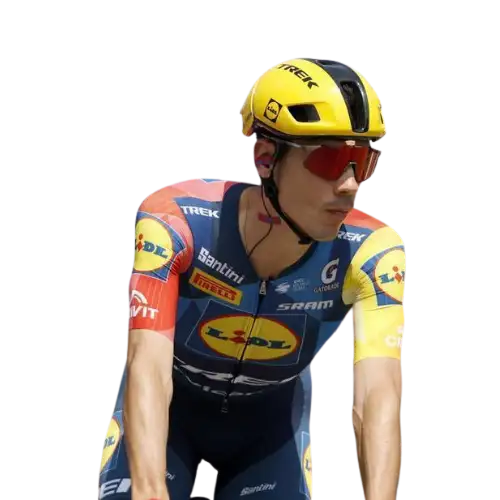
Ayuso entered the Tour as one of the leading young-rider candidates. He eventually finished seventh overall but ended more than eight minutes behind del Toro in the white jersey classification.
The result was still useful for Lidl-Trek’s team victory, but it did not deliver the individual classification expected in the earlier betting card.
Pogačar Joins the Five-Time Champions

Pogačar is now one of five riders credited with winning the Tour de France five times.
Jacques Anquetil, Eddy Merckx, Bernard Hinault and Miguel Induráin are the other members of the five-title group. Pogačar reached the mark through victories in 2020, 2021, 2024, 2025 and 2026.
His 2026 result also produced a seventh consecutive Tour podium. He has finished first five times and second twice across those appearances.
| Five-Time Tour Champion | Career Tour Victories |
|---|---|
| Jacques Anquetil | 5 |
| Eddy Merckx | 5 |
| Bernard Hinault | 5 |
| Miguel Induráin | 5 |
| Tadej Pogačar | 5 |
A sixth championship would move Pogačar beyond every five-time winner. His age and current form make that possibility realistic, although participation, route design and health will determine the 2027 market.
Tour de France 2027 Outlook
The 2027 Tour de France begins Friday, July 2, with a Grand Départ across Scotland, England and Wales.
Stage 1 travels from Edinburgh to Carlisle and is expected to provide sprinters with the first opportunity to claim yellow. Stage 2 runs from Keswick to Liverpool and includes five categorized climbs.
The third stage begins in Welshpool and finishes in Cardiff. Seven climbs and the late ascent of Caerphilly should create an early test for puncheurs and general classification contenders.
This will be the first Tour Grand Départ to cross three different nations. The opening three stages will cover more than 600 kilometers.
No reliable 2027 winner odds were widely available when this article was updated. Pogačar would logically attract favorite status if he confirms participation, but the full route and leading rider programs must be known before publishing a betting card.
| 2027 Opening Stage | Route | Early Profile |
|---|---|---|
| Stage 1, July 2 | Edinburgh to Carlisle | Sprinter-friendly opening stage |
| Stage 2, July 3 | Keswick to Liverpool | Five categorized climbs |
| Stage 3, July 4 | Welshpool to Cardiff | Seven climbs and difficult Welsh finale |
The opening route creates possible early markets beyond the overall winner. Stage 1 should favor sprinters, while Stages 2 and 3 may immediately affect stage, yellow jersey and rider-matchup prices.
Tour de France Betting Lessons
The 2026 Tour demonstrated why bettors should separate outright probability from betting value. Pogačar was the most likely winner, but a price near -400 still exposed every ticket to 21 stages of risk.
Placement and jersey markets created stronger alternatives. Evenepoel second, del Toro podium, Pedersen green and Lidl-Trek team classification all offered ways to bet the race without opposing Pogačar directly.
Stage objectives also changed throughout the Tour. Pogačar allowed breakaways to contest certain mountain stages once his yellow jersey became secure.
Carapaz benefited from that freedom. He sacrificed a closer general classification position to pursue mountain points, combativity awards and stage victories.
Crashes remained the largest unpredictable factor. Vingegaard and Lipowitz both lost valuable positions through incidents rather than conventional tactical defeats.
Bettors can review implied probability, futures exposure and bankroll principles through the ScoresAndStats Expert Betting Guide.
| Betting Lesson | 2026 Example |
|---|---|
| Separate Probability From Price | Pogačar won but carried a short price |
| Use Placement Markets | Evenepoel and del Toro completed projected podium |
| Track Changing Objectives | Carapaz targeted stages and mountain points |
| Do Not Force Every Stage | Pogačar did not need to chase every breakaway |
| Account for Crash Risk | Vingegaard and Lipowitz withdrew |
| Update Markets Quickly | Del Toro replaced Ayuso as white jersey pick |
More race previews and cycling updates are available through the ScoresAndStats cycling coverage.
Final Tour de France Takeaways
Pogačar won his fifth Tour by combining five stage victories with consistent control of every major general classification test.
Evenepoel delivered the predicted second-place result and won two stages. Del Toro completed an exact projected podium and added the white jersey.
Pedersen and Lidl-Trek converted their classification picks. Carapaz produced the only major surprise from the final card by overtaking Pogačar for the polka-dot jersey.
The July 20 ScoresAndStats card finished 7-1. The best bet, Evenepoel to win the Stage 16 time trial, also cashed.
The next Tour begins July 2, 2027, in Edinburgh. Early betting analysis should wait for the complete route, confirmed rider schedules and verified sportsbook markets.
| Final Category | 2026 Result | Betting Takeaway |
|---|---|---|
| Tour Champion | Tadej Pogačar | Heavy favorite converted |
| Final Podium | Pogačar, Evenepoel, del Toro | Exact final projection cashed |
| Best Stage Pick | Evenepoel Stage 16 | Time-trial best bet won |
| Best Classification Pick | Mads Pedersen Green Jersey | Controlled points competition |
| Biggest Classification Miss | Pogačar Polka Dots | Carapaz dominated final mountains |
| Final Card Record | 7-1 | Seven of eight July 20 predictions won |
| Next Tour | July 2, 2027 | Grand Départ begins in Edinburgh |
Tour de France Odds FAQs
Who won the 2026 Tour de France?
Tadej Pogačar won the 2026 Tour de France. He finished 6:26 ahead of Remco Evenepoel.
What were the final 2026 Tour de France standings?
Pogačar finished first, Evenepoel second and Isaac del Toro third. Paul Seixas and Lenny Martinez completed the top five.
How many Tour de France titles has Pogačar won?
Pogačar has won five Tour de France titles. His victories came in 2020, 2021, 2024, 2025 and 2026.
How many stages did Pogačar win in 2026?
Pogačar won five stages during the 2026 Tour de France.
Who won the Tour de France green jersey?
Mads Pedersen won the 2026 points classification and green jersey.
Who won the Tour de France polka-dot jersey?
Richard Carapaz won the mountains classification after claiming two final-week stage victories.
Who won the Tour de France white jersey?
Isaac del Toro won the white jersey. He also finished third in the general classification.
What happened to Jonas Vingegaard?
Vingegaard crashed and withdrew during Stage 15 while sitting second in the general classification.
When does the 2027 Tour de France begin?
The 2027 Tour begins Friday, July 2, with Stage 1 from Edinburgh to Carlisle.