NFL Previews
  MLB Previews
  NBA Previews
  NHL Previews
  Soccer Previews
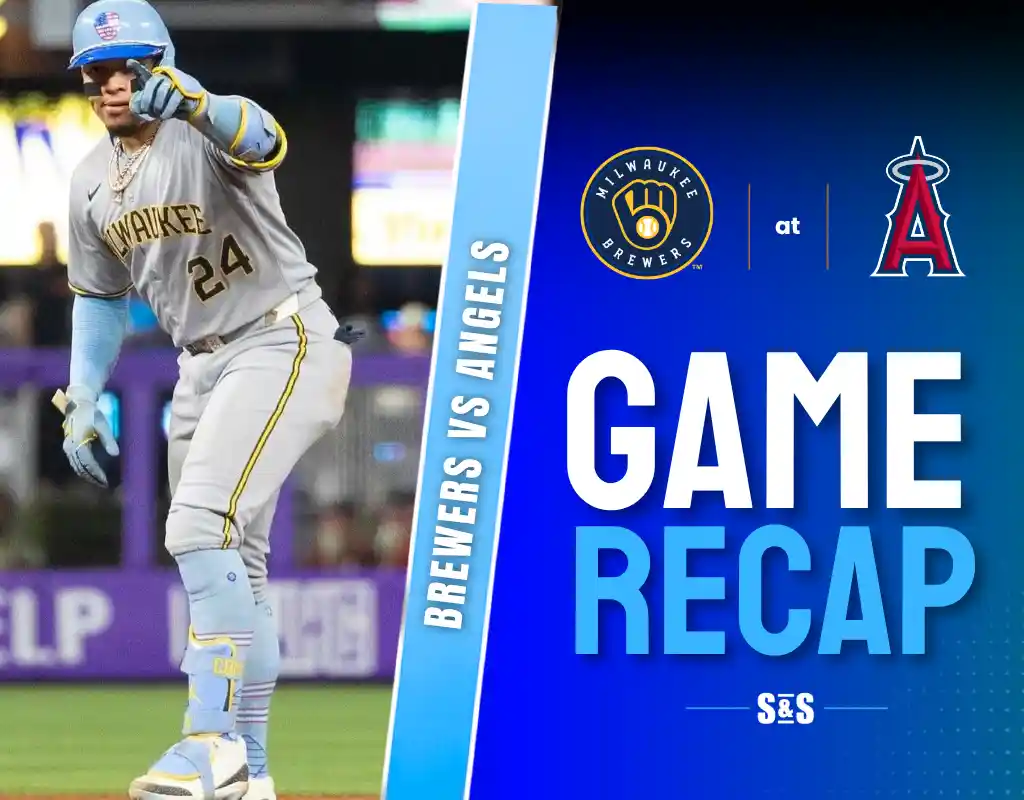

Table of Contents
The Brewers vs Angels recap starts with the result the ScoresAndStats preview wanted: Milwaukee Brewers 3, Los Angeles Angels 1. The preview priced Milwaukee at -120 and Los Angeles at +100, with the Brewers moneyline listed as the best bet. The final score backed the side, but the route was more patient than explosive.
Los Angeles scored first, which immediately made Milwaukee backers work for the ticket. Mike Trout reached in the first inning, Jorge Soler doubled him home, and the Angels had the early 1-0 lead that a home underdog needs. Milwaukee did not take control with a big inning. The Brewers tied it in the fourth, waited until the eighth to move ahead, and used the bullpen to make the small margin stand.
For bettors, the lesson is simple: a short favorite does not always need a loud offensive game. It needs the better nine-inning structure. Milwaukee had it through Robert Gasser’s stabilizing start, a strong bullpen bridge, and timely late contact from Brice Turang and Cooper Pratt. That same starter-plus-bullpen balance matters when comparing teams in larger markets like MLB division odds, where a team’s value is often built on how it wins tight games, not just how it looks in blowouts.
Milwaukee Brewers vs Los Angeles Angels Game Recap
| Game Detail | Result |
|---|---|
| Final Score | Milwaukee Brewers 3, Los Angeles Angels 1 |
| Ballpark | Angel Stadium |
| Preview Moneyline Snapshot | Milwaukee -120, Los Angeles +100 |
| Preview Listed Starters | Robert Gasser vs José Soriano |
| Pitching Decision | Win: Patrick; Loss: Samy Natera Jr.; Save: Trevor Megill |
| Key Betting Result | Milwaukee Brewers moneyline cashed |
Los Angeles gave the underdog ticket the first clean moment. Trout singled, then Soler delivered a two-out RBI double to put the Angels ahead 1-0 in the first inning. That early lead mattered because Milwaukee was not laying a heavy favorite price. At -120, the Brewers were priced as the more trustworthy side, not as a team expected to cruise without resistance.
Gasser kept the early trouble from becoming a bigger problem. He allowed the Angels’ first-inning run, then settled into the type of start Milwaukee needed. He worked five innings, allowed one run, gave up four hits, walked two, and struck out six. That line did not dominate the game by itself, but it kept the Brewers within range long enough for the lineup and bullpen to decide the bet.
The Angels’ starter situation also shifted the pregame texture. The preview listed José Soriano, but Brent Suter opened for Los Angeles. That kind of change matters because it affects expected length, bullpen usage, and lineup rhythm. In this game, it did not change the eventual betting result. Milwaukee still found the late offense and run prevention it needed.
Jake Bauers tied the game in the fourth inning with his 20th home run of the season. That swing reset the entire market. The Brewers were no longer chasing. The Angels were no longer protecting a narrow home-underdog lead. A 1-1 game moved the matchup back toward the side with the deeper pitching structure.
The decisive hit came in the eighth. Turang singled home the go-ahead run against Natera Jr., giving Milwaukee a 2-1 lead. Cooper Pratt then added the insurance in the ninth with an RBI single after Garrett Mitchell stole second base. Megill handled the ninth, and Milwaukee closed out a 3-1 win that rewarded moneyline bettors without ever turning into a comfortable offensive blowout.
Key Stats That Explain the Betting Result
The most important betting stat was Milwaukee’s bullpen work. After Gasser gave the Brewers five steady innings, the relief group allowed only one hit over the final four innings and struck out seven. In a 3-1 game, that was not a small detail. It was the difference between a cashed favorite ticket and a blown late lead.
- Milwaukee won 3-1 after entering as the -120 moneyline side.
- Robert Gasser allowed 1 run over 5 innings and struck out 6.
- The Brewers bullpen allowed 1 hit across the final 4 innings.
- Brice Turang’s eighth-inning RBI single supplied the go-ahead run.
- Cooper Pratt added ninth-inning insurance with an RBI single.
Those numbers explain why Milwaukee was the right moneyline side even though the offense never exploded. The Brewers finished with three runs on five hits. The Angels finished with one run on five hits. Same hit total, very different scoring value. Milwaukee found the late hits that actually changed the ticket.
That is also why this game is useful beyond one box score. A starter does not need to throw eight shutout innings to validate a favorite price. He needs to give the team the right game state. Gasser did that, and the bullpen finished it. Bettors looking at pitcher-driven markets like MLB Cy Young odds should bring that same logic into daily MLB betting: innings, timing, and bullpen handoff matter as much as name value.
Betting Market Results
| Market | Betting Takeaway |
|---|---|
| Milwaukee Brewers Moneyline -120 | Won as the preview’s recommended side after Milwaukee broke a 1-1 tie late. |
| Los Angeles Angels Moneyline +100 | Lost despite scoring first and holding Milwaukee to 5 hits. |
| Run Line | Milwaukee won by 2 runs, with exact grading tied to the posted number. |
| Total | The 4-run final created a low-scoring profile, with exact ticket grading tied to the posted total. |
The moneyline result was the clean grade. Milwaukee was the recommended side at -120 and won outright. The Brewers had to come from behind, but the market was never asking them to win by five. It was asking whether they had the stronger full-game path. They did.
The run line and total require more disciplined language. Milwaukee won by two, and the game finished with four combined runs, but exact ticket grading depends on the posted numbers. The more useful read is that the Brewers’ pitching depth made the favorite price work. That should matter to anyone comparing this result with MLB pennant futures, because teams that can win low-margin games with bullpen stability often carry a more durable betting profile.
Game Analysis
Milwaukee’s win was a short-favorite lesson in patience. The Brewers did not own the first inning. They did not bury Los Angeles early. They did not create constant traffic. What they did was prevent the Angels’ early lead from turning into a game script Los Angeles could control.
Gasser’s response after the first inning was the stabilizer. A road favorite can get uncomfortable quickly after giving up an early run, especially when the price is short enough that every inning feels important. Gasser kept the Brewers from falling into a multi-run hole and gave the offense time to solve the changing Angels pitching plan.
Bauers’ homer was the first offensive correction. It did not win the game, but it mattered because it erased the early Los Angeles advantage. Once the game moved to 1-1, Milwaukee’s bullpen depth became a bigger part of the handicap. That was the edge the Angels could not match late.
The Angels had the right underdog opening but not the right follow-through. Soler’s double gave Los Angeles a lead, and the actual pitching adjustment kept Milwaukee from opening up the game early. But a home underdog that scores once in the first has to add another scoring inning before the opposing bullpen takes over. Los Angeles never did.
Why Milwaukee Cashed the Moneyline
Milwaukee cashed because the Brewers controlled the game after the first inning. The ticket did not look comfortable right away, but baseball moneylines are not paid out after one inning. Milwaukee kept the deficit at one, tied the game, then won the leverage inning late.
Turang’s eighth-inning single was the market swing. In a 1-1 game, one RBI changes everything. That hit moved the Brewers from live favorite to leading favorite, and it forced the Angels to find late offense against the strongest part of Milwaukee’s game plan.
Pratt’s ninth-inning RBI single mattered as well. It turned a one-run lead into a two-run cushion and gave Megill a little more room in the bottom half. That kind of add-on run is easy to overlook, but bettors should not treat it as decorative. In a low-scoring game, insurance is part of the handicap.
This Brewers vs Angels recap should be read as a moneyline validation, not a run-volume statement. Milwaukee did not prove it would overwhelm every opponent offensively. The Brewers proved they could keep a game under control long enough for one late inning to decide it.
Why Los Angeles Could Not Finish the Underdog Path
Los Angeles could not finish the underdog path because the Angels did not build on the first inning. The early Soler double was exactly what the +100 side needed. It put pressure on Milwaukee, activated the home-field script, and forced the favorite to respond.
Then the game slowed down for the Angels. Gasser settled in. Milwaukee’s bullpen took over. Los Angeles stopped creating the type of traffic that could have made the Brewers’ late innings uncomfortable. A one-run lead is useful, but it is not a full underdog plan.
The Angels also lost the late bullpen comparison. Once the game was tied, Los Angeles needed clean relief work to keep the moneyline alive. Instead, Natera Jr. allowed the go-ahead hit in the eighth and Yates gave up the insurance run in the ninth. That was the exact place where the underdog ticket broke.
Future Angels bets should not ignore the positive start. Trout and Soler gave Los Angeles a real early path. But the next handicap has to ask whether the Angels can create multiple scoring innings against strong pitching. One early run is a good start. Against a team like Milwaukee, it is not enough.

Find the best angles before kickoff.
Review today’s picks, trends, and betting opportunities.
What the Stats Say for Future Matchups
The repeatable signal for Milwaukee is run-prevention depth. The Brewers got five useful innings from Gasser and four dominant innings from the bullpen. That is a real moneyline foundation when the price stays modest.
The fragile signal is assuming Milwaukee can win every game with only three runs. This worked because the pitching was sharp and the bullpen had swing-and-miss stuff late. If that bullpen bridge is tired or the starter gives up more than one early run, the same offensive output becomes risky.
- Milwaukee remains playable as a short favorite when starter stability and bullpen availability support the price.
- Los Angeles needs better late-inning traffic before being trusted as a home underdog.
- Brewers moneyline bets are more attractive than margin bets when the offense projects as merely steady.
- Future Angels prices should be checked against bullpen matchups, not just early scoring potential.
- Low-scoring Brewers games should be tied to pitching form rather than treated as automatic total trends.
The strongest future betting angle is to grade Milwaukee by pitching depth first. If the Brewers have a starter capable of keeping the game close and a rested bullpen behind him, a modest moneyline number can still hold value even without a big offensive projection.
For Los Angeles, the next read is about follow-through. The Angels had the first run and the home setting, but they did not create the second push. Bettors comparing this Brewers vs Angels recap with broader markets like World Series odds, MLB MVP odds, and the MLB All-Star Game odds market should keep the same rule in mind: one big name or one early swing can shape attention, but late-inning execution decides the wager.