NFL Previews
  MLB Previews
  NBA Previews
  NHL Previews
  Soccer Previews
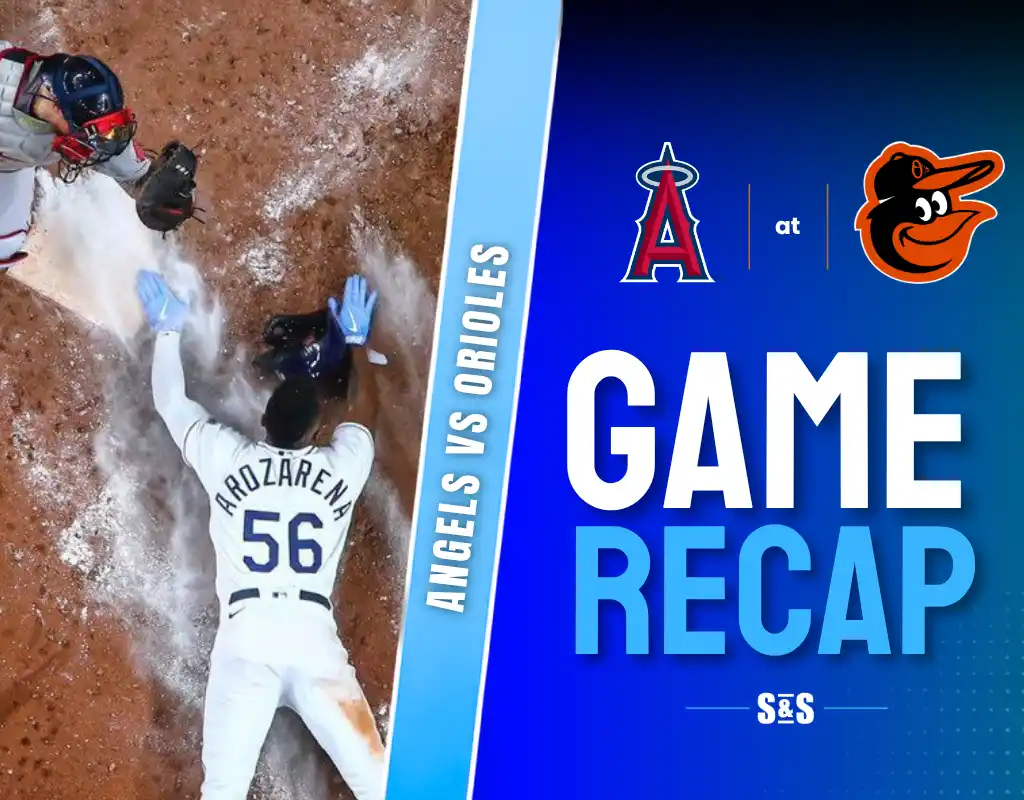

Table of Contents
The Los Angeles Angels vs Baltimore Orioles recap starts with the number that actually mattered after first pitch: Angels 4, Orioles 1. The ScoresAndStats preview framed this as a pitching-edge handicap, with Baltimore Orioles priced at -162 and the total sitting at 10.0. That gave bettors a clear pregame question. Trust the listed favorite and the starter profile, or demand proof that the price was not getting ahead of the matchup.
Los Angeles Angels gave the answer on the field. Los Angeles scored three in the third and added one in the seventh, while Baltimore managed only a single third-inning run. Moneyline bettors on Los Angeles Angels were rewarded, while Baltimore Orioles backers were left with a reminder that the team name is not the bet. The number is the bet, and the game script has to pay it off.
The bigger betting lesson was tied to sequencing, not just the final score. The cleanest stat was run prevention: Baltimore had just four hits and one run, nowhere near enough to support a favorite ticket. For anyone comparing MLB matchups through a season-long lens, this kind of result also belongs next to the broader MLB division odds picture, because one game can expose whether a club’s profile is built on repeatable run creation or a temporary price tag.
Los Angeles Angels vs Baltimore Orioles Game Recap
| Game Detail | Result |
|---|---|
| Final Score | Angels 4, Orioles 1 |
| Ballpark | Oriole Park at Camden Yards |
| Winning Side | Los Angeles Angels |
| Pitching Decision | Sam Farris earned the win, Brandon Young took the loss and Michael Natera Jr. recorded the save. |
| Key Betting Result | Los Angeles Angels moneyline bettors were rewarded |
| Best Market Result | Under 10.0 and Los Angeles Angels moneyline |
This was not a box-score accident. It was a baseball game that moved away from the preview’s cleanest pregame assumption once the first few run-scoring windows appeared. The preview asked whether the favorite’s listed pitching edge could survive nine innings. The final showed that the answer depended less on the label attached to the favorite and more on which lineup could force traffic, finish innings and avoid handing leverage back to the other dugout.
Los Angeles Angels did that better. The inning-by-inning shape mattered because it gave bettors a map of the ticket. When the winning side created separation, the losing side had to play from behind, and that changes every bullpen decision. A manager protecting a lead can chase matchups. A manager chasing the game has to spend arms just to keep the margin playable. That is where the handicap moved from pregame theory to live-game reality.
The turning point was the stretch when Los Angeles Angels turned baserunners into actual runs while Baltimore Orioles failed to answer with the same force. The final hit totals tell part of that story: Los Angeles Angels finished with 9 hits and Baltimore Orioles finished with 4 hits. The run column mattered more, but the traffic pattern explains why the betting result felt earned rather than random.
Compared with the preview, the game rewarded bettors who respected how thin a favorite edge can be once balls are put in play. The listed total of 10.0 also gave the result a second betting layer. This became a low-scoring final that landed on Under 10.0, so total bettors who read the scoring environment correctly had a cleaner answer than anyone trying to force an unverified run-line price into the recap.
Key Stats That Explain the Betting Result
The most important betting stat was the relationship between base traffic and run conversion. The scoreboard confirmed the final margin, the hit column confirmed which lineup created more pressure, and the error column showed whether either side gave away extra outs. Those are simple baseball inputs, but they are often more useful than a pregame opinion once the game starts moving.
- Los Angeles Angels won the game outright, which settled the clearest moneyline side.
- Los Angeles Angels recorded 9 hits while Baltimore Orioles recorded 4 hits.
- The final run total landed at 5, producing a Under 10.0 result against the preview total of 10.0.
- The error count finished 0 for Los Angeles Angels and 1 for Baltimore Orioles, keeping the defensive context clean enough to judge the run conversion.
That list is the spine of the recap. The cleanest stat was run prevention: Baltimore had just four hits and one run, nowhere near enough to support a favorite ticket. It also shows why MLB bettors should be careful with price-first thinking. A favorite can be correctly identified and still be priced too aggressively. An underdog can look uncomfortable before first pitch and still become the right side if it wins the early leverage battles.
For a longer-market comparison, this result fits naturally beside MLB pennant odds analysis. Pennant markets are not decided by one Thursday game, but the same questions apply: which teams create pressure repeatedly, which teams need perfect pitching to justify the price, and which teams become dangerous when the market underrates their ability to extend innings.
Betting Market Results
| Market | Betting Takeaway |
|---|---|
| Baltimore Orioles Moneyline -162 | Lost. The preview favorite failed to win outright. |
| Los Angeles Angels Moneyline | Won. The underdog had the better side because it won outright. |
| Total 10.0 | Under 10.0. The combined score finished at 5 runs. |
| Run Line | Price dependent. No unverified run-line price is treated as an official result. |
The market lesson is straightforward. Baltimore Orioles at -162 required more than a decent pregame case. It required the favorite to convert the expected matchup edge into scoreboard control. That did not happen, and the loss is a reminder that a moderate favorite price is still expensive when the game script breaks the wrong way.
Total bettors had the cleaner postgame story. The preview total of 10.0 met a final of 5 combined runs, which produced the Under 10.0 result without needing prop boards or late line movement. For readers building a broader baseball card, the same discipline applies when checking MLB Cy Young odds context: pitcher reputation matters, but the market still has to be matched to role, workload and run support.
Game Analysis
The game analysis starts with the preview’s main question: which pitching edge mattered most? In hindsight, the better answer was the edge that survived contact. Starting-pitcher talk matters before first pitch, but baseball tickets are settled by the innings after a lineup has already seen the starter, by bullpen leverage, and by whether scoring chances become crooked numbers or harmless stranded runners.
Los Angeles Angels handled that better than Baltimore Orioles. The score was not just a final; it was a record of which side forced the other club into harder decisions. Once Los Angeles Angels held the lead, the game became less comfortable for bettors on Baltimore Orioles. Every empty half-inning tightened the clock. Every additional run changed the way the bullpen could be used. That is why full-game moneylines can be dangerous when the handicap depends on one starter carrying too much of the ticket.
The result also matters because it separated correct process from correct outcome. A bettor could have liked the favorite for understandable pregame reasons and still learned that the price was too sensitive to early scoring. A bettor could have played the total because the number matched the expected run environment and received a cleaner confirmation. That distinction is important across a long MLB season.
The MLB MVP odds market often rewards the same visibility that bettors chase in single games: stars, narratives and box-score production. This recap is a reminder that betting a game requires a different filter. The bettor needs to know which roster can make the number useful, not which roster looks better in isolation.
Why Los Angeles Angels Controlled the Betting Script
Los Angeles Angels controlled the betting script by winning the parts of the game that are hardest to fake. The club either created enough traffic to build pressure or protected the lead well enough to make the final innings serve the ticket instead of threaten it. In practical betting terms, that is the difference between a side that merely looks playable and a side that actually justifies the wager.
The way the runs arrived mattered. Los Angeles scored three in the third and added one in the seventh, while Baltimore managed only a single third-inning run. That gave the winning side multiple chances to validate the read and gave the losing side fewer chances to reset the game. When a team has to play catch-up, hitters tend to press, managers shorten options, and late relief roles can become reactive. Bettors should notice that pattern because it shows up again and again.
There was also a market-discipline angle. The final did not require inventing a prop result, a closing-line move or a run-line price. The moneyline and total were enough. That is usually where good recap work should land. Use the verified market, compare it with the final, and do not pretend every available bet was part of the original handicap.
Why the Baltimore Orioles Pregame Price Deserved More Skepticism
The favorite price deserved skepticism because it depended on a cleaner game than the favorite actually played. Once the underdog pushed ahead or turned the game away from the expected starter advantage, the price stopped looking like discipline and started looking like tax.
Baltimore Orioles bettors needed the market’s early assumption to become reality. It did not, and the lesson is to treat modest favorites with the same suspicion as heavy favorites when the game depends on thin pitching or bullpen margins. The preview’s betting angle was useful because it identified price sensitivity. The recap confirms why that caution belonged in the conversation.
From a futures perspective, this is also why World Series odds analysis should not be read as a shortcut for daily betting. A team can be stronger over six months and still be the wrong price in one matchup. A team can be weaker over six months and still own the right game script on a given afternoon or night.

Ready for today’s action?
Browse picks for today’s games before they start.
What the Stats Say for Future Matchups
The future betting angle is not simply to chase Los Angeles Angels or fade Baltimore Orioles in the next game. That would be lazy. The useful angle is to isolate what looked repeatable. If Los Angeles Angels created repeated traffic, protected a lead cleanly or converted limited opportunities, that deserves attention. If Baltimore Orioles failed because of one isolated bullpen crack or one bad defensive inning, that signal may be more fragile.
- Repeatable signal: Los Angeles Angels showed enough scoreboard control to make its next moneyline price worth checking.
- Fragile signal: one-game run conversion can swing quickly, especially if the next matchup changes starting pitchers or bullpen availability.
- Market angle: compare the next total to actual run creation, not just park reputation or team branding.
- Best future check: review whether the next price asks bettors to pay for this result after the value has already moved.
Bettors should also separate sides from totals. The Under 10.0 result was tied to this exact combination of pitching, lineup execution and inning sequencing. It may carry forward if the same team profile keeps showing up, but it should not be copied blindly. The next matchup needs its own starter check, bullpen review and price comparison.
That is the strongest takeaway from the Los Angeles Angels vs Baltimore Orioles recap. The final score gave bettors a result, but the inning shape gave them the lesson. Los Angeles Angels owned the ticket because it handled the leverage moments better than Baltimore Orioles. Going forward, the best betting angle is to watch whether that edge appears again before the market fully charges for it. For broader seasonal context, pairing this recap with MLB All-Star Game odds analysis can help separate star-driven attention from the daily mechanics that actually settle baseball bets.