NFL Previews
  MLB Previews
  NBA Previews
  NHL Previews
  Soccer Previews
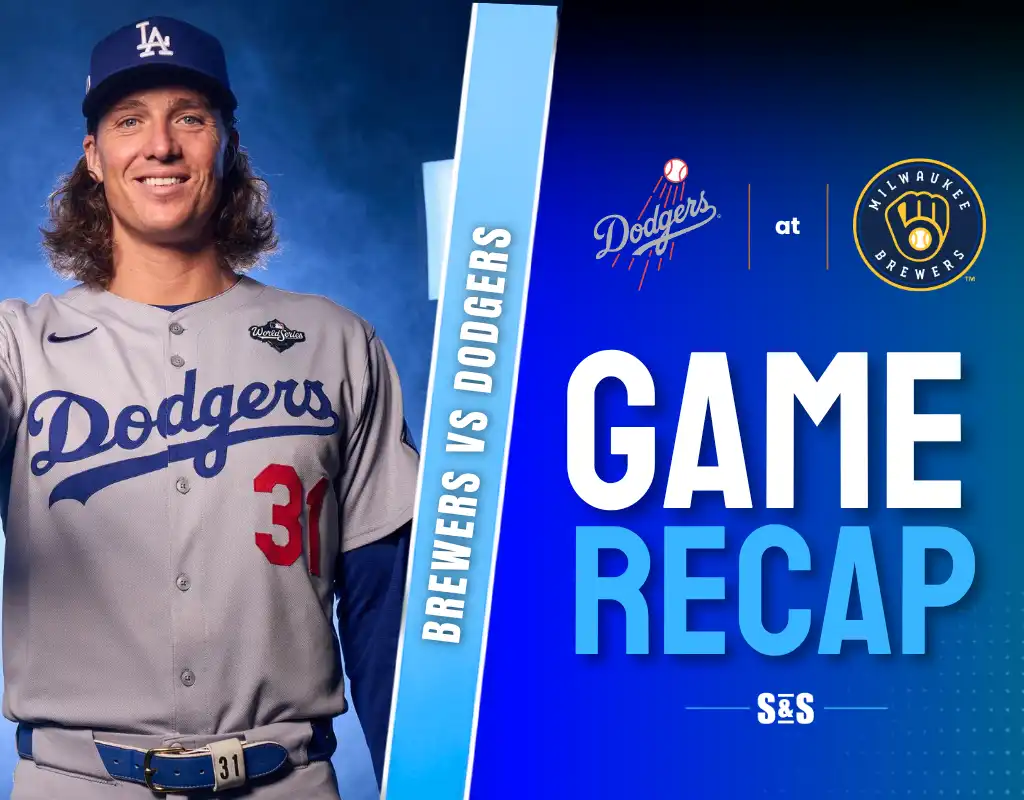

Table of Contents
The Brewers vs Dodgers recap starts with the ninth inning because that is where the ticket changed hands. Milwaukee beat Los Angeles 5-4 at UNIQLO Field at Dodger Stadium, turning a 4-2 deficit into a 5-4 win with three runs in the top of the ninth. The pregame preview framed this matchup as a high-end National League test with a total of 8.5 and Los Angeles sitting as the short home favorite, but the final score made the market lesson sharper than the favorite price suggested.
Dodgers moneyline bettors looked positioned to cash after Max Muncy’s three-run homer in the sixth inning pushed Los Angeles ahead 4-2. Milwaukee underdog bettors, though, were the ones rewarded when Jackson Chourio, Garrett Mitchell and Jake Bauers stacked run-scoring singles against the Los Angeles bullpen in the ninth. That late contact burst also pushed the game to nine total runs, punishing the under angle that had been the original best bet in the preview.
The biggest lesson is not simply that Milwaukee rallied. It is that a low-scoring handicap can be right for eight innings and still lose when late-inning relief risk is underpriced. Bettors tracking MLB pennant race context know this kind of matchup matters beyond one box score, but the betting read still came down to a simple baseball truth: when a road underdog keeps traffic alive into the ninth, the favorite price can get expensive fast.
Milwaukee Brewers vs Los Angeles Dodgers Game Recap
| Game Detail | Result |
|---|---|
| Final Score | Milwaukee Brewers 5, Los Angeles Dodgers 4 |
| Venue | UNIQLO Field at Dodger Stadium |
| Winning Shape | Three-run Milwaukee ninth inning |
| Key Swing | Jake Bauers RBI single gave Milwaukee a 5-4 lead |
| Key Betting Result | Brewers underdog moneyline cashed; Dodgers moneyline lost |
| Total Result | Nine runs went over the preview total of 8.5 |
Milwaukee did not win this game by controlling it from first pitch. The Brewers were held quiet early, even while the Dodgers’ lineup also failed to build much against Shane Drohan. The first four innings were exactly the kind of slower scoring environment that under bettors wanted. Then Milwaukee scratched for two runs in the fourth without a big swing, using walks from Joey Ortiz and David Hamilton to push Gary Sánchez and Andrew Vaughn across. It was not loud offense, but it was useful offense.
Los Angeles answered in the fifth on Ben Rortvedt’s RBI single, then appeared to grab control in the sixth. Tommy Edman and Freddie Freeman reached, and Max Muncy turned the inning with a three-run homer to right center. That swing did two things at once. It gave Dodgers moneyline bettors the lead, and it put under bettors in a more fragile position because the game was already sitting at six runs with three innings left.
The Dodgers’ biggest problem was that the offense stopped there. Los Angeles finished with only four hits, and after Muncy’s homer, Milwaukee’s bullpen did the work needed to keep the comeback possible. DL Hall gave the Brewers two scoreless innings with three strikeouts, and Trevor Megill closed the ninth without allowing the Dodgers to create a final response. That mattered because a two-run deficit on the road is not dead when the bullpen keeps it there.
The ninth inning was the game script that ruined the favorite ticket. Jackson Chourio singled home Joey Ortiz to make it 4-3. Garrett Mitchell followed with a single to right that scored David Hamilton and moved Chourio into scoring position. Then Bauers singled through the right side, scoring Chourio for the 5-4 lead. That was three straight practical at-bats, not one isolated blast. For bettors, that matters. Milwaukee did not need a miracle homer. It needed contact, base runners and a shaky relief inning.
Compared with the preview, the result was a hard reminder that the handicap was directionally sound early but fragile late. The article’s under lean depended on Roki Sasaki’s recent improvement holding and Drohan avoiding the crooked inning. Both starters kept the game manageable. The problem was that the late relief variable became the entire bet. That is why World Series futures discussions can acknowledge team strength while still separating it from single-game bullpen exposure.
HEY, WATCH THIS!
Keep the Baseball Board in Focus After the Final Out
Explore More MLB Division Analysis handled the decisive inning and made the opposing ticket chase.
Key Stats That Explain the Betting Result
The box score tells the story cleanly: Milwaukee had 10 hits, Los Angeles had four, and the Brewers won the late leverage battle. The Dodgers produced the biggest single swing with Muncy’s homer, but Milwaukee produced the deeper offensive pressure across nine innings.
- Milwaukee finished with 10 hits and 10 runners left on base, showing sustained traffic even before the ninth-inning breakthrough.
- Los Angeles managed only four hits, which made the 4-2 lead feel bigger on the scoreboard than it was in the underlying game flow.
- Roki Sasaki allowed two runs over six innings, keeping the Dodgers in front but also issuing five walks that kept the Brewers involved.
- Edwin Díaz allowed three earned runs in two-thirds of an inning, turning a Dodgers moneyline position into a losing favorite ticket.
- Milwaukee’s bullpen covered 3.2 innings with one run allowed, giving the lineup enough time to flip the game late.
The most important betting stat was not the home run count. It was the hit gap and the ninth-inning relief line. Muncy’s three-run homer was loud, but Milwaukee’s contact volume was more repeatable throughout the night. A bettor who only saw the Dodgers’ sixth-inning lead missed the quieter warning sign: the Brewers had enough base runners to keep forcing the issue.
Betting Market Results
| Market Result | Betting Takeaway |
|---|---|
| Milwaukee Brewers Moneyline: Won | The +124 underdog price from the preview was rewarded by the ninth-inning comeback. |
| Los Angeles Dodgers Moneyline: Lost | The -146 favorite price failed because the bullpen could not protect a 4-2 lead. |
| Run Line: Brewers +1.5 Won | Milwaukee won outright, so the run-line cushion was more than enough. |
| Total 8.5: Over Won | The 5-4 final produced nine runs, beating the preview’s under recommendation. |
The market result was rough for anyone who paired the Dodgers moneyline with a lower-scoring script. For most of the night, that combination had a path. The issue was sequencing. Once Milwaukee reached the ninth still down only two, the under had no room and the favorite needed a clean bullpen inning. Neither condition held.
This is the kind of recap that should send bettors back to MLB division odds analysis with a clearer eye for bullpen depth. Regular-season standings matter, but a late-inning matchup can overpower the bigger team profile in one game.
HEY, WATCH THIS!
Turn One Box Score Into a Smarter Baseball Read
Explore More MLB Futures Analysis
Game Analysis
The Dodgers lost this game because their lead depended on one swing and one clean bullpen close. That is a fragile way to ask a favorite price to hold. Muncy’s homer created a 4-2 cushion, but Los Angeles did not add on, did not extend innings, and did not make Milwaukee burn through the back end of its pitching in a way that changed the ninth.
Milwaukee’s win was more encouraging because of how it happened. The Brewers did not wait around for one superstar swing. Chourio, Mitchell and Bauers each put a ball in play at the exact point where the Dodgers needed empty contact or strikeouts. That late approach is a repeatable trait when a lineup is not chasing the scoreboard with one all-or-nothing plate appearance.
From a betting perspective, the game exposed the difference between identifying the right low-scoring environment and betting a full-game under. Sasaki and Drohan gave that under a legitimate foundation. But full-game totals still ask relievers to finish the job. The preview acknowledged late-inning pitching injuries as a risk, and that risk became the deciding factor.
Why Milwaukee’s Ninth-Inning Pressure Flipped the Ticket
The Brewers were dangerous because they kept the deficit small. A 4-2 score entering the ninth is not a comfortable favorite position when the road lineup has already shown it can reach base. Ortiz and Hamilton scoring in that final inning mattered because the bottom of Milwaukee’s order had already been involved in the fourth. That gave the rally a full-lineup quality instead of a top-heavy feel.
Chourio’s RBI single cut the lead to one and changed the entire pressure point. Mitchell’s single turned the inning into a tied game, and Bauers’ single turned it into a road underdog win. The sequence was clean baseball: contact, pressure, no wasted plate appearances. Bettors who focus only on home run power can miss how damaging three well-placed singles can be when the bullpen is leaking command.
For Los Angeles, the late inning should be treated as a caution more than a panic. The Dodgers still have enough lineup talent to be relevant in MLB MVP market conversations and futures markets, but this was not a night where the brand name protected the ticket. The number needed a bullpen finish, and the bullpen did not supply it.
Why the Total Still Punished Under Backers
The under was not foolish. It was simply beaten late. Through eight innings, the game sat at six runs, and the original 8.5 total had margin. That is why this result is more useful than a simple “bad pick” label. The handicap worked for most of the night, then lost to the exact volatility full-game totals always carry.
The ninth inning added three runs, pushing the final to nine. That is not an offensive explosion across nine innings; it is one late cluster deciding the market. Bettors should file that away. When a total depends heavily on bullpen stability, the correct question is not only whether the starters can keep the score down. It is whether the relief chain can avoid one messy inning.
That lesson also affects side betting. Los Angeles was expensive enough that a bettor needed more than lineup depth and a home field. The Dodgers needed a full nine-inning path. Milwaukee exposed the gap between favorite quality and favorite price.

Ready for today’s action?
Browse picks for today’s games before they start.
What the Stats Say for Future Matchups
The Brewers vs Dodgers recap points toward a practical future angle: Milwaukee can remain live as an underdog when the price gives room and the matchup does not demand early power. The Brewers’ contact depth, bullpen response and ninth-inning composure all translate well to tight games. The fragile signal is the need for late traffic; relying on ninth-inning rallies is not a weekly betting plan.
- Milwaukee’s 10-hit profile is repeatable enough to respect when the Brewers are priced as a short or mid-range underdog.
- Los Angeles’ four-hit output is a fragile negative signal because this lineup has more talent than one quiet night showed.
- The Dodgers’ bullpen result is worth monitoring before laying a favorite price, especially in games with narrow totals.
- Full-game unders involving both teams need bullpen confirmation, not just starter confidence.
- Future matchups should be priced around late-inning stability as much as top-of-order star power.
The strongest future betting angle is to avoid treating Dodgers moneyline prices as automatic when the bullpen path is uncertain. Milwaukee showed enough contact pressure to keep games alive, and Los Angeles showed how quickly a favorite ticket can collapse without add-on runs. For bettors comparing long-term value through MLB All-Star Game betting trends and broader season markets, this game is a clean reminder that late-inning baseball can turn a good-looking ticket into a loss in three plate appearances.