 ES
ES

 NFL Previews
  MLB Previews
  NBA Previews
  NHL Previews
  Soccer Previews
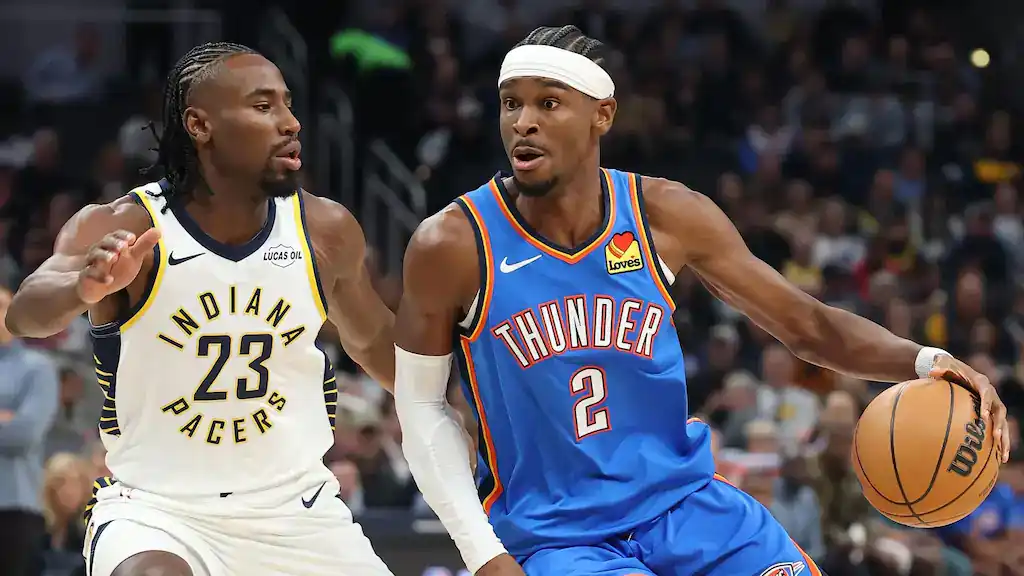
Game Preview Oklahoma City Thunder @ San Antonio Spurs
On December 13, the Oklahoma City Thunder head south to face the San Antonio Spurs in what projects as a developmental clash with playoff implications for the Thunder and evaluation value for the Spurs. OKC enters with a rising profile, blending elite scoring and switchable defense, while San Antonio continues to cultivate youth and chemistry through extended runs for its core.
This matchup juxtaposes a team trending toward the play‑in picture with a Spurs squad looking to convert flashes of potential into consistent wins. From a betting perspective, the Thunder’s offensive efficiency and San Antonio’s home adjustments create diverging trends worth dissecting before wagering. If you’re new to NBA betting fundamentals, our NBA expert betting guide provides a comprehensive foundation.

Discover Where the Sharps Are Betting
Real Trends, Real Edges, Real Wins
Odds and Key Information
Oddsmakers have established a market that reflects the Thunder’s higher ceiling and the Spurs’ current rebuilding status. Early offerings placed Oklahoma City as a modest favorite on the road, with the total aligning near league average scoring outputs. Bettors monitoring value events may find alternate spread perspectives or total adjustments informative; exploring concepts like alternate total points can illuminate lines that better match your projected game script.
Check the latest moneyline, spread, and total movement on the official NBA odds page, which updates line flux in real time. Understanding how these odds evolve, especially in response to injury news and overnight betting percentages, can be a decisive edge for sharper bettors.
Oklahoma City Thunder Outlook
The Thunder are trending toward legitimate relevance in the Western Conference. OKC blends young scorers with high usage from its backcourt, supplemented by dynamic big play inside. Their offensive rating sits above league average, and their ability to generate paint points and second‑chance opportunities paints a profile capable of sustained competitiveness.
Defensively, Oklahoma City has shown marked improvement under its current regimen, forcing turnovers and converting those into efficient transition offense. On the road, though, the Thunder’s net rating dips slightly — a trend that matters when projecting spread performance away from home crowds and disruptive travel schedules. Bettors seeking to maximize bankroll longevity should also grasp the notion of units in betting, which helps quantify risk relative to confidence across contests like this.
Offensively, look for OKC to leverage pick‑and‑roll versatility and rim pressure to puncture San Antonio’s interior defense. If the Thunder’s shooters find early rhythm, it can torque the Spurs into uncomfortable rotations and lineups. For those interested in matchup‑specific prop evaluation, the NBA props strategy guide is a useful resource to understand where inefficiencies in player totals might appear.
San Antonio Spurs Outlook
The Spurs have shown incremental improvement but remain a project with notable upsides and frustrating inconsistency. Their youth movement is punctuated by energetic scoring from emerging guards and versatile wings capable of surprising bursts. On any given night, San Antonio can outpace opponents with quick transition vectors, though sustaining this across 48 minutes remains a challenge.
San Antonio’s defensive rebounding and interior rotation metrics lag peers, which the Thunder can exploit with offensive rebounding and ball movement. That said, the Spurs have recently tightened perimeter defense and delivered better close‑game execution than earlier in the season. Those shifts might temper blowouts and make this contest closer than surface betting lines suggest.
From a coaching and development angle, Spurs rotations are fluid — meaning late lines could move significantly as status news, rest decisions, or in‑game adjustments emerge. If you’re incorporating live action into your betting arsenal, consider reviewing our guide on how live betting works and how momentum shifts can alter expectation curves.
Key Matchup
A pivotal matchup in this contest centers on Thunder creation versus Spurs perimeter defense. Oklahoma City’s guards and wings excel in generating off‑ball movement and exploiting mismatches in transition. San Antonio’s ability to contest shots without sacrificing defensive rebounds will be tested, particularly if the Thunder flood the paint and kick out to open shooters.
Another angle is interior play: if the Spurs frontcourt can limit second‑chance points and prevent frequent foul trouble for Thunder bigs, it may compress scoring runs and keep this game within striking distance through halftime. Understanding how such matchups influence both spread and total outcomes underscores the importance of matchup‑driven handicapping. For a broader perspective on how matchups and schemes drive betting trends, our general NBA betting breakdown explores these principles in depth.
Access Thousands of Data-Driven Plays
From the First Pitch to the Final Whistle
Betting Trends
Recent trend data shows the Thunder covering a significant portion of spreads when their offense remains above baseline efficiency, and conversely struggling when forced into low‑tempo, high‑halfcourt possessions. On the Spurs’ side, home performance has improved moderately — they cover at higher rates when exceeding schedule median three‑point percentage and limiting turnovers.
Historical head‑to‑head data in Spurs vs Thunder matchups hints at tight scoring margins and occasional overage on totals when both teams hit above average shot share. However, sustained trend reliability can wane quickly in volatile developmental rosters, so bettors should incorporate contextual factors (injuries, minutes restrictions, matchup depth) rather than rely solely on raw trends.
If you’re unsure how to interpret such data streams, check out our sports betting for beginners guide — particularly the sections on trends, moneyline versus spread interpretation, and reading public money percentages.
Prediction
This projection leans toward the Thunder’s consistency and execution edge, though the Spurs’ home environment and developmental momentum could keep scoring closer than expected. San Antonio’s ability to slow transitions and force contested jumpers figures heavily into limiting Oklahoma City’s scoring efficiency. Conversely, if the Thunder sustain early pressure and hit perimeter shots at above average rates, this contest may skew toward an OKC spread cover.
Given these dynamics, this game projects as moderately under the posted total, reflecting defensive adjustments and potential late‑game stall tactics once primary scoring outlets face fatigue. For nuanced spread and total insights that factor in matchup shifts and lineup changes, explore strategy concepts in our NBA futures and strategy breakdown.
Projected Score: Thunder 112, Spurs 105
Spread Pick: Thunder -4.5 (lean)
Total Lean: UNDER the projected total
For daily projections and model analysis, visit the NBA picks hub, updated regularly with fresh data and expert interpretation.
Why You Need Expert Picks
Games like Thunder vs Spurs demonstrate the layers of nuance inherent in NBA betting. Reading the box score alone is often insufficient; successful wagering demands an integration of matchup data, pace profile, injury updates, and trend interpretation. That’s where following expert handicappers becomes invaluable.
Check the ScoresAndStats handicappers leaderboard to see which analysts are delivering consistent performance across contests. Pairing expert insight with your own research — including understanding concepts like hedge betting, parlay construction, and optimizing unit deployment — can materially improve your long‑term edge.
Additionally, expanding your toolkit with guides on momentum bets, live adjustments, and understanding how moneyline odds work prepares you to adapt to in‑game developments. For bettors refining strategy over a season, integrating these resources builds a more resilient and informed approach to NBA wagering.
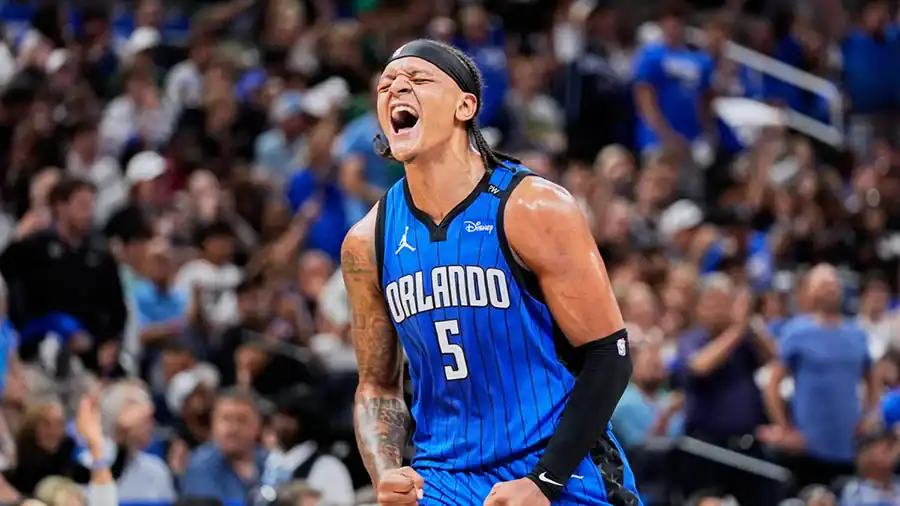
Game Preview Orlando Magic @ New York Knicks
On December 13, the Orlando Magic travel to Madison Square Garden to face the New York Knicks in a key Eastern Conference matchup. Both teams are seeking to establish separation in the tight playoff race, and this game features contrasting styles: Orlando’s pace‑oriented motion offense versus New York’s half‑court discipline and defensive emphasis.
The Magic have used perimeter shooting and playmaking versatility to generate offense, often leaning on dynamic young wings and effective pick‑and‑roll execution. The Knicks, by contrast, rely on structured sets, interior scoring balance, and defensive assignments that prioritize limiting open threes and second‑chance points. For bettors preparing for this clash, understanding how offensive profiles interact with defensive schemes is essential; our NBA expert betting guide provides frameworks for translating those stylistic differences into betting strategy.
Discover Where the Sharps Are Betting
Real Trends, Real Edges, Real Wins
Odds and Key Information
Oddsmakers opened the Knicks as moderate home favorites, with early spreads reflecting New York’s defensive consistency and track record against Eastern opponents. The total is positioned in the mid‑220s, balancing Orlando’s scoring uptick against the Knicks’ tendency to grind possessions in the half court.
As lines develop closer to tip‑off, bettors can explore market alternatives such as alternate total points and spread adjustments that may align with projected scoring scenarios. For real‑time quotes and trackable movement, the NBA odds page on ScoresAndStats maintains an updated book of spreads, moneylines, and totals.
Orlando Magic Outlook
The Magic enter this contest with a clear offensive identity: pace and space facilitated by strong ball movement and transition efficiency. Orlando’s offense ranks above league average in assist percentage and three‑point generation, leveraging young wing scoring and capable interior play to keep defenses honest. When the Magic establish early rhythm from deep, their offense can outscore most rivals.
Defensively, Orlando shows moments of structural discipline but remains vulnerable to teams that execute multiple screening actions and capitalize on post touches. Against the Knicks, perimeter defense and rebounding will be crucial; if New York exploits mismatch screens or seizes offensive rebounds, the Magic could find themselves in late possessions that favor the home team.
Given their swing style, Orlando has attracted interest in over markets when they control pace and push transition points. Bettors should consider how tempo influences totals; a useful primer on this is available in our live betting guide, which highlights how in‑game dynamics feed into total outcomes.
For bettors targeting individual performance, exploring the NBA props betting breakdown can uncover value, especially in assist and rebounding markets for Magic contributors who see high usage as facilitators.
New York Knicks Outlook
The Knicks have built a reputation on defensive rigor and half‑court execution. Their interior defense protects the paint, and they feature disciplined rotations that limit uncontested threes—an asset against teams like Orlando that generate offense in transition. Offensively, New York emphasizes ball control, selective spacing, and balanced scoring options that reduce reliance on isolated shot creation.
At home, the Knicks typically excel in rebounding and second‑chance efficiency, helping them control possession length and pace. Their ability to grind out late possessions against overaggressive defenses makes them a common lean for under bettors in games where tempo is expected to slow. To understand broader betting implications of spread versus moneyline decisions in games like this, see our guide on moneyline betting basics.
Defensively, New York’s perimeter rotations and help coverage will be tested by Orlando’s motion sets. How well the Knicks contain ball reversals and guard against baseline cuts will influence scoring trajectories and, by extension, how totals play out.
Key Matchup
The decisive matchup in this game lies in shot creation and defensive containment. Orlando’s guards and wings excel at quick reads and transition decision‑making. New York’s perimeter defense and help rotations are designed to throttle early offense and force contested jumpers.
If Orlando can sustain early offensive rebounds and convert in transition, they can push the pace and create scoring bursts that challenge the Knicks’ half‑court setup. Conversely, if New York dictates tempo through deliberate sets and limits transition opportunities, the game may ebb toward New York’s strengths.
Another critical matchup to monitor is rebounding dynamics. Orlando’s ability to crash the glass against the Knicks’ disciplined interior defense can generate extra possessions and tilt both spread and total outcomes. For bettors weighing these matchup variables, mastering concepts like reading tempo and lineup differentials is covered in our sports betting strategy guide.
Access Thousands of Data-Driven Plays
From the First Pitch to the Final Whistle
Betting Trends
Recent trend data indicates Orlando has covered on multiple occasions when they hit above‑average three‑point percentages and force turnovers. The Knicks, meanwhile, are solid against the spread at home and often find value when suppressing opponent transition points. Against Eastern Conference rivals with similar offensive profiles, New York has historically leaned toward under outcomes when pace slows in the second half.
When interpreting trends, it’s important to control for context—teams with fluctuating lineups, recent injuries, or back‑to‑back scheduling can skew historical performance. For bettors refining how to integrate trends with broader handicapping, our sports betting for beginners guide lays out foundational concepts on trend usage and situational adjustments.
Prediction
This game projects as a tempo control battle. Orlando’s pace‑driven offense offers upside in over scenarios if they can push transition early and disrupt New York’s rhythm. However, the Knicks’ half‑court consistency and defensive discipline give them an edge in tightening possessions and limiting scoring runs.
We lean toward New York in both spread and overall execution, particularly if they sustain their home defensive profile and dominate rebounding opportunities. This lean also recasts the total toward the under, especially if New York’s controlled sets limit fast‑break points and lengthen possessions.
Projected Score: Knicks 111, Magic 104
Spread Pick: Knicks -4.5 (lean)
Total Lean: UNDER the projected total
For consistent projections and daily expert analysis, visit the NBA picks hub where updated data models and handicappers refine lines and expectations.
Why You Need Expert Picks
Games like Magic vs Knicks highlight the layers of nuance required for profitable NBA betting. Successful wagers incorporate matchup data, pace expectations, shooting trends, and game script forecasts. Simply relying on records or recent wins is often insufficient.
Top bettors track and compare experts via the ScoresAndStats handicappers leaderboard, which highlights analysts with strong performance and disciplined methodologies. Incorporating expert insight into your process can enhance your edge, particularly in close spreads or tightly projected totals.
If you want to deepen your betting toolkit, explore resources on how to hedge a bet, parlay fundamentals, and alternate total strategies. Learning to manage risk through units in betting and live adjustments can improve long‑term ROI.
Charlotte Hornets vs Chicago Bulls Betting Preview
Charlotte Hornets (7-17) host the Chicago Bulls (9-14) on Friday night at Spectrum Center. Both teams are eager to snap losing streaks and improve their Eastern Conference standing.
Line Movement and Odds
- Chicago Bulls Spread: -2.5 (-110)
- Charlotte Hornets Spread: +2.5 (-109)
- Chicago Bulls MoneyLine: -143
- Charlotte Hornets MoneyLine: +121
- Total: 235.5
Chicago opened as a slight road favorite, reflecting oddsmakers’ confidence in their offensive pace despite a seven-game losing streak. Charlotte’s home-court advantage and three-point shooting ability have kept the line tight, suggesting expectations for a competitive matchup. The total of 235.5 points is high, signaling anticipation of a fast-paced contest with both teams ranking in the top half of possessions per game. Bettors will weigh Chicago’s perimeter shooting against Charlotte’s free-throw efficiency. See updated numbers and market shifts on the NBA Odds page.
Your Shortcut to the Sharp Side
Watch every verified capper’s move unfold across all major sports
Matchup Breakdown
Chicago Bulls Outlook
The Bulls fell 123-91 to Golden State, marking their seventh straight loss. Josh Giddey has been the team’s leading scorer, averaging 20.3 points per game, while rookie Matas Buzelis has shown flashes of offensive potential. Chicago ranks second in possessions per game and 11th in three-pointers made (14 per game), giving them the ability to score quickly. Coach Billy Donovan emphasized defensive focus and team chemistry as keys to breaking the slump.
Charlotte Hornets Outlook
Charlotte lost 115-106 to Denver, with Miles Bridges leading the way with 24 points, nine rebounds, and eight assists. Injuries to LaMelo Ball, Tre Mann, Collin Sexton, and Moussa Diabate have disrupted continuity, though KJ Simpson has stepped up as a ball handler. The Hornets rank seventh in three-point attempts per game and fourth in free-throw percentage (82.4%), giving them offensive upside. Josh Green’s potential season debut could provide a boost.
Key Matchup / Path to Victory
Chicago’s perimeter shooting versus Charlotte’s free-throw efficiency is the focal battle. The Bulls must capitalize on their pace and outside shooting, while the Hornets rely on Bridges’ leadership and home-court advantage to stay competitive.
Injuries / Availability
Chicago: Tre Jones expected to return; Isaac Okoro and Jalen Smith on minute restrictions.
Charlotte: LaMelo Ball (ankle), Tre Mann (knee), Collin Sexton (quad), Moussa Diabate (knee) out; Josh Green possible debut.
Betting Trends
- Chicago has lost seven straight games.
- Charlotte has lost three of its last four games.
- The Bulls rank second in possessions per game.
- The Hornets rank fourth in free-throw percentage.
The Home of Verified Handicappers
3,000+ monthly plays tracked live across all sports.
Best Bets and Prediction
Projected Final Score: Chicago 120, Charlotte 115
- Pick: Chicago -2.5. The Bulls’ pace and perimeter shooting give them value to cover the spread.
- Total: Under 235.5. Both teams’ combined scoring trends suggest the total falls just short of the line.
Expect Chicago to snap its losing streak with Giddey leading the offense, while Charlotte’s injuries limit their ability to keep pace.
Handicappers and Service Plays
Sharpen your betting edge with insights from Best Handicappers, track hot streaks on the Leaderboard, and explore premium selections in Buy Picks.
Game Preview: New Orleans @ Houston
No. 7 Houston continues its nonconference slate Saturday afternoon when it hosts the New Orleans Privateers at Fertitta Center, with the Cougars using the matchup as another developmental checkpoint for a roster heavy on freshmen. The Houston Cougars remain firmly entrenched among the nation’s elite despite massive offseason turnover, leaning on defensive identity and emerging young talent as they push toward conference play. The opening odds list Houston as a sizable home favorite north of 20 points, with the total posted in the mid-130s, reflecting the Cougars’ defensive pace control and New Orleans’ willingness to run when given space. As nonconference results continue to shape market perception, this matchup fits into the broader landscape covered throughout the ScoresAndStats NCAAB previews.
Elite-Level Basketball Picks for $9
Covering every conference, every day
Odds and Key Information
Houston opened as a 22-point favorite and early market movement has nudged the spread slightly higher, signaling confidence in the Cougars’ depth and defensive consistency at home. The moneyline is firmly out of range for most bettors, while the total has remained steady amid expectations of a methodical Houston performance. Public action has gravitated toward Houston following its dominant win over Jackson State, while sharper bettors appear more interested in tempo-based totals angles. One key analytical observation centers on Houston’s efficiency despite youth, as the Cougars continue to rank among the national leaders in defensive field-goal percentage. Kelvin Sampson reiterated that growth and execution matter more than comparisons to last year’s title-game team, while New Orleans coach Stacy Hollowell emphasized resilience after a challenging opening schedule.
Houston Outlook
Houston enters Saturday with one of the youngest rotations among top-10 teams, yet the Cougars’ identity remains unmistakable. Defensive pressure, rebounding discipline, and half-court execution continue to anchor Sampson’s system. Emanuel Sharp leads the team at 18.1 points per game and has been the most reliable perimeter threat, shooting over 41 percent from three. Freshman guard Kingston Flemings has adjusted quickly to the college game, averaging 14.8 points and 5.1 assists while shooting better than 50 percent from beyond the arc. Chris Cenac Jr. provides interior balance with nearly eight rebounds per contest, complementing Joseph Tugler’s rim protection. The spotlight this week falls on Isiah Harwell, who broke through with a 20-point performance against Jackson State after limited early minutes. Houston’s challenge is maintaining offensive rhythm without sacrificing defensive intensity, especially when rotating young players into meaningful roles.
New Orleans Outlook
New Orleans arrives at 3-7 after navigating one of the more demanding early schedules in the country, opening the season with eight straight road games. The Privateers showed early promise with an upset win over TCU and a convincing victory against Tulane, but struggled to sustain momentum during a six-game losing streak against high-major competition. Offensively, New Orleans relies on balance rather than star power. Coleton Benson leads the team at 15.1 points per game, while Jakevion Buckley contributes 14.4 points and serves as the primary playmaker. MJ Thomas adds interior toughness, averaging a double-digit scoring mark along with a team-high 7.5 rebounds. The Privateers’ ability to compete hinges on ball movement and perimeter efficiency, but defensive lapses and rebounding gaps have been problematic. Against Houston’s physicality, New Orleans must value possessions and avoid extended scoring droughts.
Key Matchup Table
| Key Factor | Advantage |
|---|---|
| Defensive Efficiency | Houston |
| Rebounding Margin | Houston |
| Backcourt Shot Creation | Houston |
| Offensive Balance | New Orleans |
| Home-Court Edge | Houston |
Betting Trends
Houston has been one of the nation’s most consistent teams against the spread at home under Sampson, frequently covering large numbers due to defensive separation late in games. Totals involving the Cougars have leaned under, particularly against opponents that struggle to score in the half court. New Orleans has been competitive as an underdog early this season but has failed to cover consistently against top-25 opponents. The Privateers’ games have trended over when pace increases, though that has rarely materialized against elite defensive units. Bettors tracking market movement and matchup data can find updated pricing and trends through the college basketball scores and odds page. Broader team context and statistical profiles are available via the NCAAB teams hub, while source transparency can be explored through the handicappers reviews page.
The Lean
This matchup profiles as a developmental opportunity for Houston rather than a stylistic challenge. Expect the Cougars to emphasize defensive execution, rebounding, and controlled offensive sets while continuing to evaluate rotation pieces like Harwell. New Orleans should find some success early through ball movement, but sustaining efficiency against Houston’s pressure defense is unlikely over 40 minutes. The Cougars’ ability to string together stops often leads to late-game margin expansion, particularly at home. From a betting perspective, Houston’s defense supports the favorite despite the large number, while the total leans under if the Cougars dictate tempo and limit transition opportunities. Broader nonconference betting context and analytical frameworks can be found through the ScoresAndStats expert betting guide.
Projected Final Score
Houston 78, New Orleans 50
Best Spread Pick
Houston -22
Total Lean
Under 136
Why You Need Expert Picks
Games involving elite defensive programs often create subtle betting edges that casual bettors overlook, especially when large spreads are involved. Expert projections help identify when depth, tempo control, and defensive efficiency translate into late separation. The ScoresAndStats college basketball picks leaderboard highlights handicappers with proven success identifying sharp-side value across nonconference play. These experts incorporate lineup efficiency, rotation trends, and matchup-specific data rather than relying solely on rankings. As conference play approaches and markets tighten, leveraging professional insight becomes increasingly valuable. Bettors can further refine strategy and market understanding through the comprehensive resources available in the ScoresAndStats expert betting guide, supporting disciplined, data-driven wagering throughout the college basketball season.
Game Preview: Marquette @ Purdue
Sixth-ranked Purdue looks to build momentum Saturday afternoon when it hosts Marquette at Mackey Arena in West Lafayette, Indiana. The Marquette Golden Eagles arrive searching for consistency, while the Purdue Boilermakers aim to sharpen their start after a dominant rebound performance midweek. Purdue opened as a double-digit home favorite with the total posted in the low 150s, reflecting the Boilermakers’ offensive efficiency and Marquette’s defensive volatility. This matchup closes a significant nonconference stretch for both teams and carries betting relevance across the national slate tracked daily at the ScoresAndStats college basketball previews hub.
Elite-Level Basketball Picks for $9
Covering every conference, every day
Odds and Key Information
Purdue opened around a 10.5-point favorite and the line has nudged upward, signaling market confidence in the Boilermakers’ home dominance. The moneyline remains heavily tilted toward Purdue, while the total has held steady despite Purdue’s recent defensive surge. Public action has leaned toward Purdue following its 21-0 run to open the second half against Minnesota, while sharper bettors appear focused on Marquette’s shooting regression potential. One notable analytical angle is rebounding margin, as Purdue ranks among the national leaders while Marquette has struggled to finish defensive possessions. Matt Painter emphasized defensive detail after the Iowa State loss, while Shaka Smart reiterated confidence that shot quality will eventually translate into makes.
Purdue Outlook
Purdue enters at 9-1 and continues to profile as one of the most physically imposing teams in the country. The Boilermakers average 85.2 points per game while allowing just 67.9, supported by a rebounding margin of plus-10.4 per contest. Braden Smith orchestrates the offense with elite efficiency, averaging 13.3 points and 8.8 assists, the latter ranking second nationally. Trey Kaufman-Renn has been a model of consistency, posting 13.9 points and 10.6 rebounds per game, while Oscar Cluff provides interior stability and rim finishing. Fletcher Loyer leads the team in scoring at 14.0 points per game and remains a key spacing piece. Purdue’s ability to control tempo, dominate the glass, and generate long scoring runs makes it particularly dangerous at Mackey Arena, where defensive intensity typically spikes early.
Marquette Outlook
Marquette comes in at 5-5 with shooting inconsistency defining much of its early season. The Golden Eagles average 80.9 points per game but allow 76.4, and their shooting splits highlight the issue at 42.5 percent from the field and 31.1 percent from three. Chase Ross carries the offensive load at 19.5 points per game and is often tasked with late-clock creation. Freshman Nigel James Jr. has emerged as a secondary scorer at 12.2 points per game, while Ben Gold leads the team on the glass at 7.2 rebounds. Marquette’s path to competitiveness hinges on perimeter efficiency and free-throw conversion, areas that have fluctuated sharply. Against Purdue’s size and rebounding edge, the Golden Eagles must convert early looks to avoid playing uphill for extended stretches.
Key Matchup Table
| Key Factor | Advantage |
|---|---|
| Rebounding Margin | Purdue |
| Ball Movement | Purdue |
| Perimeter Shot Creation | Marquette |
| Interior Scoring | Purdue |
| Home-Court Edge | Purdue |
Betting Trends
Purdue has been reliable as a home favorite, covering consistently at Mackey Arena and often separating in second halves. Boilermaker games have leaned under when Purdue dictates pace and defensive rebounding. Marquette has struggled against the spread in recent road games and has trended under the total when perimeter shooting falters. The Golden Eagles’ last two games featured slow starts from three-point range, a concern against a disciplined Purdue defense. Bettors tracking updated lines and matchup data can find full market coverage through the college basketball scores and odds page. Broader team metrics and profiles are available via the NCAAB teams hub. For insight into trusted analysis sources, the handicappers reviews page provides added transparency.
The Lean
This matchup favors Purdue’s strengths, particularly its rebounding dominance and ability to generate extended scoring runs once defensive stops stack up. Marquette’s shooting struggles make it difficult to trust sustained offense against a team that thrives on second-half adjustments. Expect Purdue to emphasize interior touches early and test Marquette’s ability to keep Kaufman-Renn and Cluff off the glass. If the Golden Eagles fail to shoot efficiently from the perimeter, the margin could grow quickly. From a betting standpoint, Purdue’s consistency at home supports the favorite, while the total leans slightly under if Purdue controls tempo and limits transition opportunities. Broader nonconference context and matchup analysis can also be found through the ScoresAndStats expert betting guide.
Projected Final Score
Purdue 79, Marquette 67
Best Spread Pick
Purdue -11
Total Lean
Under 150
Why You Need Expert Picks
Nonconference games between high-profile programs often produce inflated narratives that obscure matchup-specific value. Expert projections help bettors focus on sustainable edges such as rebounding margin, assist rate, and defensive efficiency. The ScoresAndStats college basketball picks leaderboard highlights handicappers with proven success identifying sharp-side opportunities throughout the season. These experts integrate tempo analysis, lineup efficiency, and situational context that casual bettors may miss. As conference play approaches and markets tighten, leveraging expert insight becomes increasingly important. Bettors can further refine strategy and market understanding through the in-depth resources available in the ScoresAndStats expert betting guide, designed to support disciplined, data-driven wagering all season long.
Game Preview: Arkansas @ Texas Tech
A high-profile neutral-site showdown headlines Saturday in Dallas as No. 17 Arkansas Razorbacks meet No. 16 Texas Tech Red Raiders at the American Airlines Center. The matchup renews a former Southwest Conference rivalry and revisits a painful NCAA Tournament Sweet 16 result from nine months ago, when Texas Tech erased a 16-point second-half deficit to stun Arkansas. Both teams enter 7-2 and searching for a signature nonconference win before league play intensifies. The opening odds listed Texas Tech as a slight favorite on the neutral floor, with the spread hovering around one possession and the total set in the mid-150s. With postseason implications already forming, this game draws national betting interest tracked across the broader ScoresAndStats NCAAB previews.
Elite-Level Basketball Picks for $9
Covering every conference, every day
Odds and Key Information
Texas Tech opened as a 2-point favorite and early market movement has been minimal, reflecting balanced respect for both rosters. The moneyline has held steady, while the total has seen light upward pressure driven by Arkansas’ offensive tempo. Public bettors appear split, while sharper action has leaned toward matchup-specific angles rather than rankings. One notable analytical observation centers on efficiency versus volume, as Arkansas thrives in transition scoring while Texas Tech relies on half-court defense and rebounding. John Calipari acknowledged revisiting last season’s tournament loss during preparation, while Grant McCasland emphasized defensive discipline against one of the most productive offenses his team has faced.
Arkansas Outlook
Arkansas enters with momentum after a statement road win at then-No. 6 Louisville, showcasing its ability to score against elite competition. The Razorbacks average 87.6 points per game and have topped 79 points in every win this season, leaning heavily on guard play and pace. Darius Acuff Jr. leads the team at 17.4 points per game, with Meleek Thomas close behind at 16.9, forming one of the more dynamic backcourts nationally. Their ability to penetrate and create early offense puts constant pressure on opposing defenses. Arkansas’ challenge comes on the defensive end, where aggressive schemes can occasionally leave rebounding gaps. Against Texas Tech’s physical frontcourt, controlling the glass and limiting second-chance points will be critical. The Razorbacks’ depth allows Calipari to sustain tempo, but efficiency will matter more than volume in this setting.
Texas Tech Outlook
Texas Tech has built its identity around defense and rebounding, traits that were central to last season’s NCAA Tournament run. The Red Raiders allow just 70 points per game and are coming off one of their best performances of the season in an 82-58 neutral-site win over LSU. J.T. Toppin anchors the frontcourt, averaging 20.8 points and a Big 12-best 11.5 rebounds while providing rim protection that disrupts guard-heavy offenses. Christian Anderson complements him as a primary creator, averaging 19.1 points and leading the team with 65 assists. Texas Tech has leaned more heavily on three-point shooting this season, connecting at a high rate when able to dictate tempo. The Red Raiders’ success hinges on forcing Arkansas into half-court sets and winning the physical battles inside.
Key Matchup Table
| Key Factor | Advantage |
|---|---|
| Offensive Tempo | Arkansas |
| Rebounding Edge | Texas Tech |
| Interior Defense | Texas Tech |
| Guard Shot Creation | Arkansas |
| Half-Court Efficiency | Texas Tech |
Betting Trends
Arkansas has been profitable in neutral-site games under Calipari, particularly against ranked opponents, often exceeding offensive expectations. Totals involving the Razorbacks have leaned over due to pace and shot volume. Texas Tech has covered consistently when favored in nonconference play and has trended under the total against high-powered offenses by slowing tempo. The Red Raiders have also performed well defensively against ranked teams despite their two losses this season. Bettors tracking matchup data and real-time line movement can follow updates through the college basketball scores and odds page. Broader team context and statistical profiles are available via the NCAAB teams hub. For insight into trusted analytical sources, the handicappers reviews page offers additional perspective.
The Lean
This matchup profiles as a clash between Arkansas’ offensive firepower and Texas Tech’s defensive structure. Arkansas will look to push pace early and exploit guard matchups, while Texas Tech aims to slow the game, dominate the glass, and force contested jumpers. The Red Raiders’ interior presence with Toppin gives them a stabilizing edge if the game tightens late, especially after their recent defensive performance. Arkansas’ scoring depth keeps the Razorbacks competitive throughout, but Texas Tech’s ability to control possessions on a neutral floor tilts the matchup slightly. From a betting perspective, the side favors Texas Tech in a close contest, while the total leans slightly under if the Red Raiders successfully dictate tempo. Additional league-wide context can be found through the ScoresAndStats expert betting guide.
Projected Final Score
Texas Tech 78, Arkansas 74
Best Spread Pick
Texas Tech -2
Total Lean
Under 154
Why You Need Expert Picks
Early-season matchups between ranked teams often create betting inefficiencies as markets balance perception against evolving data. Expert projections help identify whether tempo, rebounding, or shot quality will ultimately decide the outcome. The ScoresAndStats college basketball picks leaderboard highlights handicappers with proven success navigating high-profile nonconference games. These analysts incorporate efficiency metrics, matchup-specific tendencies, and situational factors that casual bettors frequently overlook. As March approaches and résumé-driven games increase, leveraging expert insight becomes essential. Bettors can further sharpen their strategy through the in-depth tools and educational resources available in the ScoresAndStats expert betting guide, designed to support disciplined, data-driven wagering throughout the college basketball season.
Game Preview: Army @ Navy
One of college football’s most storied rivalries takes center stage Saturday afternoon in Baltimore as the Army Black Knights meet the Navy Midshipmen in the 126th edition of the Army–Navy Game, with the Commander-in-Chief’s Trophy on the line. Navy enters with a stronger overall record and recent momentum, while Army looks to avenge last season’s painful loss that lingered long after an otherwise historic campaign. The opening odds installed Navy as a modest favorite, with the spread hovering around a field goal and the total sitting in the low 30s, consistent with two run-heavy, clock-controlling offenses. As one of the most unique betting environments on the calendar, this rivalry is closely followed across the broader college football previews section.
NCAAF Picks That Study the Stats for You
AI-powered. Expert-crafted.
Odds and Key Information
Navy opened as a 3-point favorite and the line has shown minimal movement, reflecting the market’s respect for rivalry volatility. The moneyline slightly favors the Midshipmen, while the total has remained suppressed due to both teams ranking near the top nationally in rushing rate and time of possession. Early betting splits suggest the public leaning toward Navy’s superior record, while sharper bettors have shown patience given Army’s ball security and discipline. One strong analytical observation is turnover margin, as Army has committed just nine turnovers all season, a critical factor in low-possession games. Army coach Jeff Monken emphasized the emotional weight of the matchup, while Navy coach Brian Newberry pointed to his team’s recent health and execution as indicators of readiness.
Army Outlook
Army enters at 6-5 after a season defined by close margins and consistency rather than explosive output. The Black Knights rely on quarterback Cale Hellums, who has rushed for 1,078 yards and 15 touchdowns, serving as the engine of a methodical option attack. Noah Short provides versatility as both a runner and receiver, leading the team in receptions while averaging more than six yards per carry. Army’s offensive profile is conservative, but that approach minimizes mistakes and maximizes field position. Defensively, the Black Knights remain physical and assignment-sound, traits reinforced by their status as the least penalized team in the FBS. Army’s path to victory hinges on sustaining drives, winning time of possession, and avoiding negative plays against a Navy defense that thrives at the point of attack.
Navy Outlook
Navy comes in at 9-2 and appears to be peaking after rebounding from back-to-back losses earlier in the season. The Midshipmen lead the nation in rushing at nearly 300 yards per game, powered by quarterback Blake Horvath’s dual-threat ability. Horvath has accounted for more than 2,400 total yards and 23 touchdowns, and his improved health has coincided with Navy’s late-season surge. The offense is deeper than in past seasons, with Alex Tecza and Eli Heidenreich providing complementary production on the ground and through the air. Defensively, Navy is anchored by Landon Robinson, the conference defensive player of the year, whose interior presence disrupts option reads and short-yardage situations. Navy’s challenge will be maintaining discipline against an Army offense that thrives on exploiting over-aggression.
Key Matchup Table
| Key Factor | Advantage |
|---|---|
| Rushing Depth | Navy |
| Ball Security | Army |
| Defensive Interior | Navy |
| Penalty Discipline | Army |
| Recent Momentum | Navy |
Betting Trends
Army has been a strong underdog bet historically in rivalry games, often keeping contests within one possession due to its disciplined style. Totals in Army games have leaned under, particularly against other option teams where possessions are limited. Navy has covered consistently as a favorite this season and has gone under the total in games where it controls tempo early. Head-to-head meetings between these teams have frequently landed below the posted total, reflecting extended drives and minimal explosive plays. Bettors tracking rivalry trends and updated numbers can follow real-time market movement on the college football scores and odds page. Additional program context is available through the NCAAF teams hub, while analysis source transparency can be explored via the handicappers reviews page.
The Lean
Army–Navy games rarely follow conventional logic, but this matchup sets up as a tightly contested, possession-by-possession battle. Army’s motivation and ball security give it a legitimate chance to hang around deep into the fourth quarter, especially if it controls field position. Navy’s edge lies in offensive depth and Horvath’s playmaking, which can create separation if the Midshipmen get ahead early. With both teams committed to the run and comfortable playing in low-scoring environments, points should be at a premium. From a betting perspective, the under aligns with historical trends and current team profiles, while the spread favors Navy’s slightly higher ceiling. Broader rivalry and postseason betting context can be found through the college football expert betting guide.
Projected Final Score
Navy 21, Army 17
Best Spread Pick
Navy -3
Total Lean
Under 33
Why You Need Expert Picks
Rivalry games like Army–Navy demand deeper analysis than standard matchups, as emotion, discipline, and execution often outweigh raw statistics. Expert projections help identify which fundamentals are most likely to hold under pressure. The ScoresAndStats college football picks leaderboard showcases handicappers with proven success navigating unique betting environments, including rivalry and bowl games. These experts factor in situational edges, coaching tendencies, and matchup-specific dynamics that casual bettors may overlook. As the season reaches its most unpredictable stretch, leveraging expert insight becomes critical. Bettors can further refine their approach by exploring advanced strategy and market education through the comprehensive ScoresAndStats expert betting guide, a trusted resource for disciplined, data-driven wagering throughout the college football calendar.
Game Preview: Boise State @ Washington
Bowl season kicks off Saturday night in Inglewood, California, when the Boise State Broncos face the Washington Huskies in the Bucked Up LA Bowl at SoFi Stadium. Boise State arrives fresh off a Mountain West championship, while Washington enters rested after closing its regular season the previous week. The opening odds list Washington as a solid favorite, with the Huskies laying just under double digits on a neutral field and the total set in the low 50s. As the first bowl game on the calendar, this matchup sets the tone for postseason betting and draws early attention from bettors tracking bowl-season trends across the college football previews section.
NCAAF Picks That Study the Stats for You
AI-powered. Expert-crafted.
Odds and Key Information
Washington opened as a 9.5-point favorite and the spread has remained steady, suggesting confidence in the Huskies’ power-conference profile despite Boise State’s late-season momentum. The moneyline heavily favors Washington, while the total has hovered around 52.5 with balanced action on both sides. Early market splits indicate public bettors leaning toward Washington’s Big Ten pedigree, while sharper positions have been more selective, weighing Boise State’s recent form and defensive playmaking. One key analytical angle is rest versus rhythm, as Boise State played for a conference title last weekend while Washington benefited from extra recovery time. Boise State coach Spencer Danielson highlighted the challenge of a short turnaround, while Washington coach Jedd Fisch emphasized performance over historical context as his team prepares for its seventh meeting with the Broncos.
Boise State Outlook
Boise State enters the LA Bowl at 9-4 and riding a three-game winning streak capped by a 38-21 win over UNLV in the Mountain West title game. While the Broncos did not replicate last season’s national buzz, they remain a fundamentally sound and balanced team. Quarterback Maddux Madsen threw for 2,283 yards with 18 touchdowns, limiting mistakes for much of the season. Running back Dylan Riley emerged as the offensive centerpiece, surpassing 1,000 rushing yards and giving Boise State a consistent ground presence. Defensively, the Broncos have been opportunistic, ranking among the national leaders in sacks and interceptions. Safety Ty Benefield leads the unit with 100 tackles, while the secondary has produced multiple takeaway threats. Boise State’s challenge lies in matching Washington’s size and speed, particularly in the trenches. Current availability concerns can be tracked through the Boise State injury report.
Washington Outlook
Washington comes into the bowl at 8-4 following a demanding first season navigating Big Ten competition. The Huskies faced elite opponents throughout the year, including Ohio State, Oregon, and Michigan, experiences that hardened the roster despite multiple losses. Quarterback Demond Williams Jr. was a dual-threat catalyst, passing for 2,850 yards while adding nearly 600 rushing yards and six touchdowns on the ground. Running back Jonah Coleman provided red-zone reliability with 14 rushing scores, while wide receiver Denzel Boston emerged as the top receiving option with 10 touchdown catches. Defensively, Washington has been steady rather than dominant, but safety Alex McLaughlin anchors the unit with strong tackling consistency. Playing in a dome removes weather variables, placing greater emphasis on execution and depth. Injury availability for Washington can be monitored via the Huskies injury report.
Key Matchup Table
| Key Factor | Advantage |
|---|---|
| Quarterback Athleticism | Washington |
| Rushing Consistency | Boise State |
| Defensive Takeaways | Boise State |
| Power-Conference Depth | Washington |
| Recent Momentum | Boise State |
Betting Trends
Boise State has historically performed well in bowl games, appearing in 22 bowls over the past 27 seasons and often outperforming expectations as an underdog. The Broncos have also shown strong results in games with higher totals, reflecting offensive balance and defensive scoring contributions. Washington has been reliable as a favorite, particularly following losses, and has covered regularly when given extended preparation time. The Huskies’ bowl history against Boise State is lopsided in margins, with Washington’s wins coming by large spreads. Bettors tracking bowl-season numbers and updated pricing can find full market listings through the college football scores and odds page. For additional context on program profiles and conference depth, the NCAAF teams hub provides expanded data. Bettors evaluating trusted analysis sources can also reference the handicappers reviews page.
The Lean
This LA Bowl matchup comes down to whether Boise State’s rhythm and defensive playmaking can offset Washington’s talent edge and preparation advantage. Expect Boise State to lean on Riley and attempt to shorten the game, while Washington looks to stress the defense with Williams’ mobility and balanced offensive weapons. Boise State’s ability to generate sacks and interceptions gives it a path to staying competitive early, but Washington’s size and red-zone efficiency are difficult to fade over four quarters. From a betting perspective, Washington’s consistency as a favorite and historical success against Boise State tilt the spread toward the Huskies. The total sits near a key number, with scoring potential on both sides in a controlled dome environment. Additional bowl-season betting context is available through the broader college football betting guide.
Projected Final Score
Washington 31, Boise State 20
Best Spread Pick
Washington -9.5
Total Lean
Over 52.5
Why You Need Expert Picks
Bowl games present unique betting challenges, with motivation, preparation time, and roster availability often outweighing regular-season trends. Expert analysis helps isolate which factors matter most, particularly in early bowls where market efficiency can lag. The ScoresAndStats college football picks leaderboard highlights proven handicappers who consistently identify sharp-side value throughout bowl season. These experts incorporate matchup-specific data, injury context, and coaching tendencies that casual bettors may overlook. As bowl season unfolds, leveraging expert projections becomes increasingly important for managing variance and finding value. Bettors can further strengthen their approach by exploring strategy content and market education through the comprehensive ScoresAndStats expert betting guide, a key resource for navigating spreads, totals, and postseason betting opportunities.
Game Preview Houston Texans @ Arizona Cardinals
The Houston Texans travel west to face the Arizona Cardinals on December 14, 2025, in a non-conference matchup with playoff significance—at least for the visiting Texans. Houston continues its push for a Wild Card spot behind its rising young core, while Arizona plays spoiler as they build toward next season.
The Cardinals have struggled to find consistency this year but have shown flashes at home with an improved run game and more discipline defensively. Meanwhile, Houston has leaned on efficient quarterback play and a top-10 scoring defense to stay in the AFC hunt.
For line moves and injury reports across the slate, follow our NFL odds and scores page daily.
Track Every Line Move Before It Happens
Stay Ahead of the Public, Every Time
Odds and Key Information
Houston opened as a 5.5-point road favorite with the total set at 44. The market has slightly leaned toward the Texans, with some books adjusting the spread to -6. The total has stayed stable, indicating moderate confidence in a mid-scoring affair.
Want to learn how to bet non-conference road favorites? Explore tactics in our NFL expert betting guide to gain an edge in matchups like this.
Houston Texans Outlook
The Houston Texans have become one of the league’s most surprising success stories, led by their efficient young quarterback and a top-tier receiving corps. Houston’s offensive line has improved protection metrics week over week, and they’ve converted on over 46% of third downs since Week 8.
On the defensive side, the Texans are forcing takeaways at an elite rate and rank top five in red zone defense. The secondary has tightened coverage, while the front seven continues to disrupt pocket timing with a high-pressure rate.
Looking to invest in the Texans’ playoff potential? Check out our AFC futures breakdown to see where they stack up in the Wild Card picture.
Arizona Cardinals Outlook
The Arizona Cardinals are rebuilding, but their offense has gained stability behind a dual-threat quarterback and a solidified ground game. James Conner has been efficient in recent weeks, and Arizona has leaned into time-of-possession strategies to keep games manageable.
Defensively, the Cardinals still struggle in coverage and have a bottom-five pass rush. However, they’ve played better at home, forcing key stops on third down and showing more discipline in penalties and gap control. Expect Arizona to play loose and aggressively as they attempt to spoil Houston’s postseason push.
Get deeper into Arizona’s long-term outlook with our team-by-team breakdowns in the NFL futures blog.
Key Matchup
The biggest mismatch is Houston’s passing attack versus Arizona’s secondary. The Cardinals allow over 250 pass yards per game and have struggled to defend explosive plays downfield. Houston should be able to stretch the field early and force Arizona into catch-up mode.
On the other side, Arizona’s best chance lies in running the ball effectively to keep Houston’s offense off the field. If Conner can establish tempo and Arizona limits turnovers, they’ll stay within striking range.
Explore how to attack soft secondaries with NFL prop bet value based on matchups like this.
Betting Trends
Houston is 6-2 against the spread in its last eight games and 4-1 ATS on the road this season. The under has hit in five of their last six games. Arizona is just 3-7 ATS in its last ten home contests but has covered two of its last three as a home underdog. The over has hit in four of the last five Cardinals games.
Stay informed with the most actionable trends in our NFL betting insights blog updated weekly.
Prediction
This is a classic late-season spot where motivation, talent, and execution all favor the playoff contender. Houston has more to play for, a better quarterback, and the defensive edge. Arizona will compete, especially early at home, but the Texans’ depth and consistency will prevail late.
Final prediction: Texans 26, Cardinals 17
Spread Pick: Texans -5.5
Total Lean: Under 44
For similar matchup breakdowns, check out our Thursday Night Football betting preview for trends on non-conference clashes.
Discover Where the Sharps Are Betting
Real Trends, Real Edges, Real Wins
Why You Need Expert Picks
Games like Texans vs Cardinals are where sharp bettors capitalize. Understanding motivation, matchups, and line movement late in the year is critical—and expert picks bring the clarity you need.
Start with the Handicappers Leaderboard to find who’s hot, then visit our NFL picks page for spread picks, totals, and props from seasoned experts.
If you’re eyeing futures beyond Week 15, explore Super Bowl predictions, Coach of the Year candidates, and the NFL playoff outlook.
Game Preview: Michigan State @ Penn State
No. 9 Michigan State heads back into Big Ten play on Saturday afternoon when it visits the Penn State Nittany Lions at Bryce Jordan Center in University Park. The Michigan State Spartans arrive with their first loss of the season still fresh after letting a late lead slip against Duke, while Penn State looks to respond following a humbling conference opener. The opening odds installed Michigan State as a road favorite of around seven points, with the total settling in the mid-130s, reflecting the Spartans’ elite defense and Penn State’s recent scoring struggles. As Big Ten play ramps up, this matchup fits into the broader conference picture tracked throughout the ScoresAndStats NCAAB previews section.
Elite-Level Basketball Picks for $9
Covering every conference, every day
Odds and Key Information
Michigan State opened as a 7-point favorite, and early market movement has held steady, signaling respect for the Spartans despite their first loss. The moneyline remains firmly in Michigan State’s favor, while the total has seen mild downward pressure following Penn State’s offensive collapse at Indiana. Public bettors appear comfortable backing Tom Izzo’s consistency, while sharper action has leaned toward Michigan State’s defensive efficiency as a reliable travel trait. One key analytical note is free-throw execution, as Michigan State’s late-game issues against Duke highlighted slim margins. Izzo stressed effort and attention to detail following the loss, while Penn State coach Mike Rhoades emphasized urgency and physical readiness after his team was overwhelmed in Bloomington.
Michigan State Outlook
Michigan State enters at 8-1 overall and 1-0 in conference play, still firmly positioned as a Big Ten contender. Despite the loss to Duke, the Spartans controlled large stretches of the game, particularly on the glass, where they won the offensive rebounding battle. Carson Cooper delivered a career performance with 16 points and 16 rebounds, anchoring a frontcourt that also includes Jaxon Kohler and Coen Carr. Kohler leads the team at 14.2 points per game, while Carr provides athletic finishing and defensive versatility. The most intriguing variable remains Jeremy Fears Jr., who went scoreless on 0-for-10 shooting against Duke but still dished out 13 assists. His 9.8 assists per game lead the nation, and continued improvement in shot-making would raise Michigan State’s offensive ceiling significantly. Defensively, the Spartans remain elite, allowing just 61.0 points per game.
Penn State Outlook
Penn State comes in at 8-2 but is searching for answers after a 113-72 loss at Indiana in its Big Ten opener. The Nittany Lions struggled to contain dribble penetration and perimeter shooting, allowing nearly 48 percent shooting overall, the worst defensive mark in the conference. Offensively, Penn State relies on balance rather than a single star, with four players averaging double figures. Kayden Mingo leads the team at 15.4 points per game, while Freddie Dilione V, Melih Tunca, and Josh Reed provide steady secondary scoring. The challenge against Michigan State will be creating clean looks against pressure defense while avoiding extended scoring droughts. Rhoades’ teams are typically physical and resilient, but Penn State must improve its defensive rotations and transition awareness to stay competitive in this matchup.
Key Matchup Table
| Key Factor | Advantage |
|---|---|
| Defensive Efficiency | Michigan State |
| Frontcourt Depth | Michigan State |
| Assist Rate | Michigan State |
| Perimeter Scoring Balance | Penn State |
| Coaching Experience | Michigan State |
Betting Trends
Michigan State has been reliable against the spread early in the season, covering in six of its first nine games and maintaining strong defensive consistency regardless of opponent. Spartans games have trended under the total due to pace control and defensive rebounding. Penn State has struggled to cover against higher-tier competition and is coming off a non-cover in its Big Ten opener. Totals involving the Nittany Lions have leaned over against weaker defenses, but that trend shifts dramatically against top-10 defensive units. Bettors tracking conference movement and updated pricing can follow real-time numbers through the college basketball scores and odds page. Additional program context and statistical profiles are available via the NCAAB teams hub. For bettors evaluating trusted analysis sources, the handicappers reviews page provides helpful perspective.
The Lean
This matchup sets up well for a focused Michigan State response after a frustrating loss. Expect Izzo’s group to emphasize defensive execution, rebounding discipline, and cleaner late-game habits. Penn State should benefit from returning home, but its defensive inefficiencies and difficulty guarding size present a tough matchup against Michigan State’s front line. If Fears finds even modest scoring efficiency to complement his elite playmaking, the Spartans’ offense should be enough against a Penn State defense that has struggled to contain physical teams. From a betting standpoint, Michigan State’s defense travels well, making the road favorite playable. Broader Big Ten context and matchup evaluations can also be found through the college basketball expert betting guide.
Projected Final Score
Michigan State 71, Penn State 60
Best Spread Pick
Michigan State -7
Total Lean
Under 135
Why You Need Expert Picks
Early Big Ten matchups often produce value as teams adjust to conference officiating, travel demands, and physicality. Expert projections help separate short-term variance from sustainable traits, particularly with defensively elite programs like Michigan State. The ScoresAndStats college basketball picks leaderboard showcases handicappers with proven track records in identifying sharp-side value. These analysts incorporate efficiency metrics, matchup-specific rebounding data, and situational angles that casual bettors may overlook. As conference play intensifies, leveraging expert insight becomes increasingly important. Bettors can further refine their approach by exploring strategy and market education through the comprehensive ScoresAndStats expert betting guide, a resource designed to support disciplined, data-driven wagering throughout the college basketball season.

